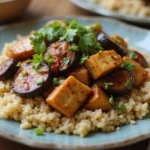
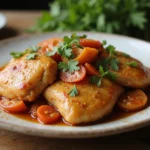
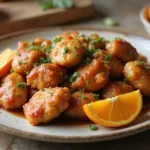
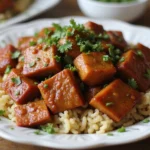
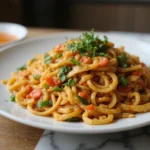
Leftover pork roast can be transformed into a delightful array of Chinese dishes that are both creative and delicious.
The rich flavors of the roast meld perfectly with vibrant spices and fresh vegetables, creating a comforting meal that surprises the palate.
These recipes not only help reduce food waste but also showcase the versatility of pork in Asian cuisine.
Whether you’re whipping up a quick stir-fry or a hearty soup, these dishes are sure to impress family and friends alike.
The History and Cultural Significance
• Leftover Pork Roast Chinese Recipes Creative And Delicious traces its origins to the traditional Chinese practice of maximizing every ingredient in a meal, particularly during the Lunar New Year celebrations.
• The dish evolved over decades as local chefs adapted techniques and added regional flavors, eventually becoming beloved comfort food in many households.
• In Chinese culture, leftover meat symbolizes abundance and good fortune, often served during family gatherings and festive occasions.
• While many variations exist across different regions, the authentic version maintains a balance of savory, sweet, and umami flavors that sets it apart from imitations.
Recipe Overview
Nutritional Information (per serving)
Ingredients
Essential Equipment Guide
Wok: A traditional wok is essential for achieving high heat and quick cooking, resulting in perfectly seared ingredients. Look for one with a flat bottom for stability on home stoves.
Chef’s Knife: A versatile chef’s knife allows for precise chopping and slicing of vegetables and meat, making prep faster and more efficient. Ensure it’s sharp for the best results.
Cutting Board: A sturdy cutting board provides a safe and stable surface for chopping ingredients. A wooden or bamboo board is preferable for its durability and knife-friendly surface.
Preparation Methods
Stir-frying: This fast cooking technique uses high heat to quickly cook ingredients while preserving their texture and flavor. Master the heat level to ensure vegetables stay crisp and pork is heated through without drying out.
Marinating: Allowing the pork to soak in the sauce for at least 15 minutes enhances its flavor and moisture. Use this method particularly for leftover meat to rejuvenate its taste.
Blanching: This technique involves briefly boiling vegetables before stir-frying, which helps retain their color and nutritional value. Blanch vegetables in salted water for a minute before shocking them in ice water.
Step 1: Prepare Pork
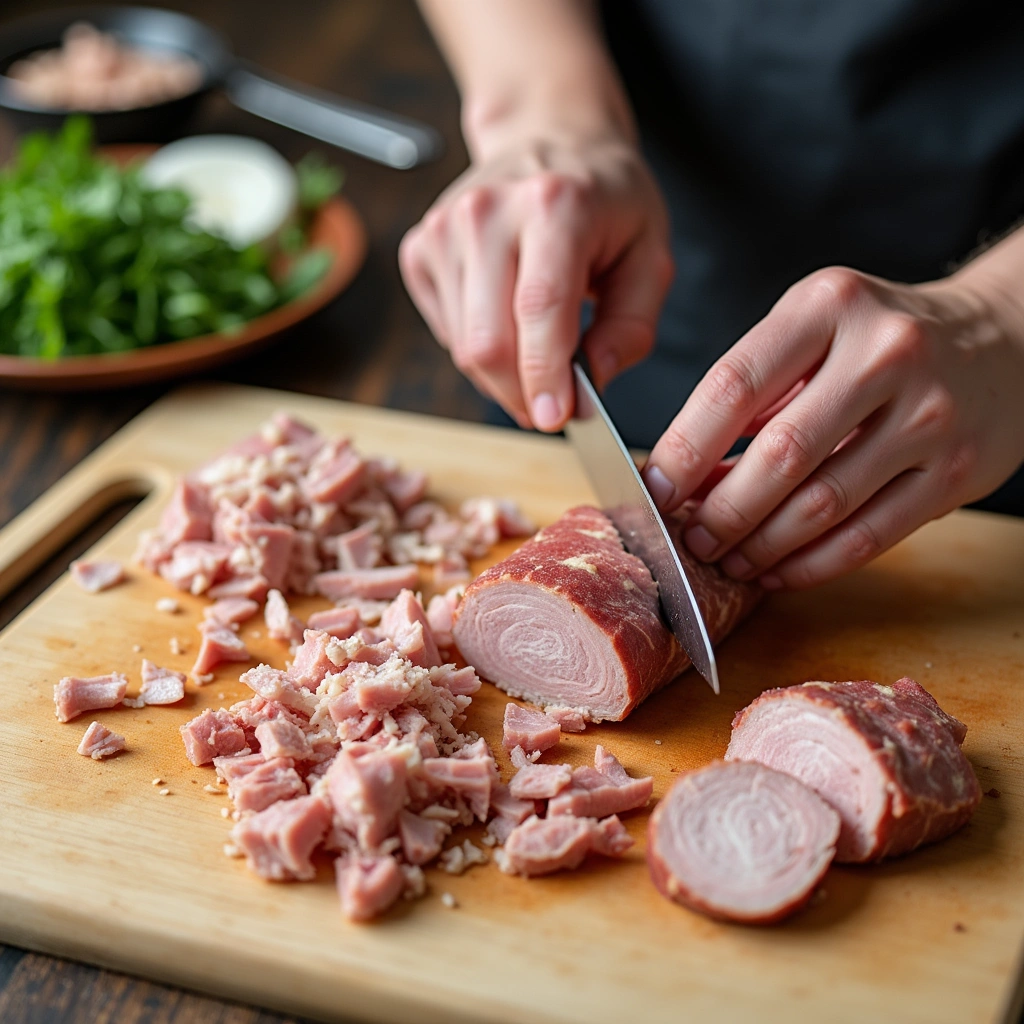
Begin by shredding or cubing the leftover pork roast into bite-sized pieces.
Ensure the pork is at room temperature for even cooking.
This will help the meat absorb the flavors of the sauce better.
Cutting against the grain will yield tender pieces.
Step 2: Chop Vegetables
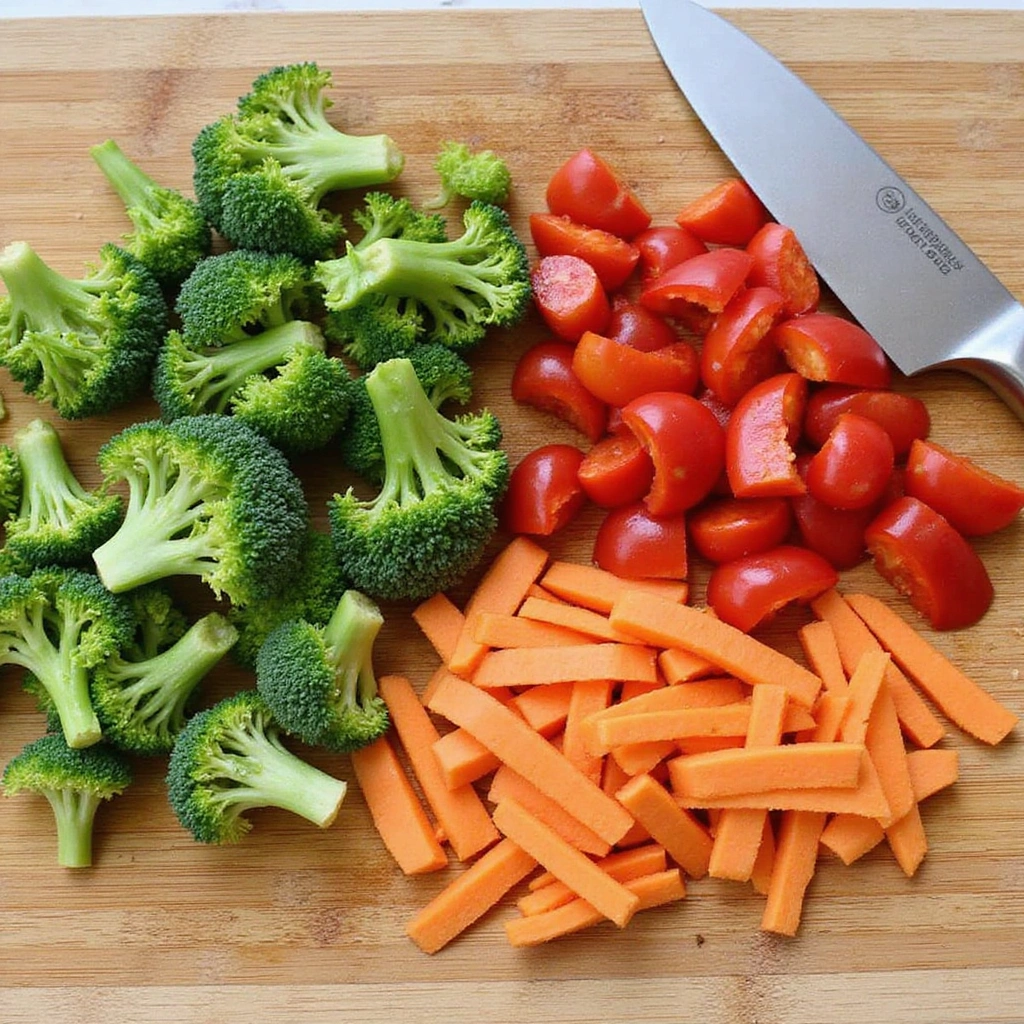
While the pork is prepped, chop the bell pepper, broccoli, and carrot into uniform pieces.
Uniform sizes ensure even cooking and a visually appealing presentation.
Use a sharp chef’s knife for clean cuts and efficient chopping.
Place the chopped vegetables in a bowl and set aside.
Step 3: Mix Sauce
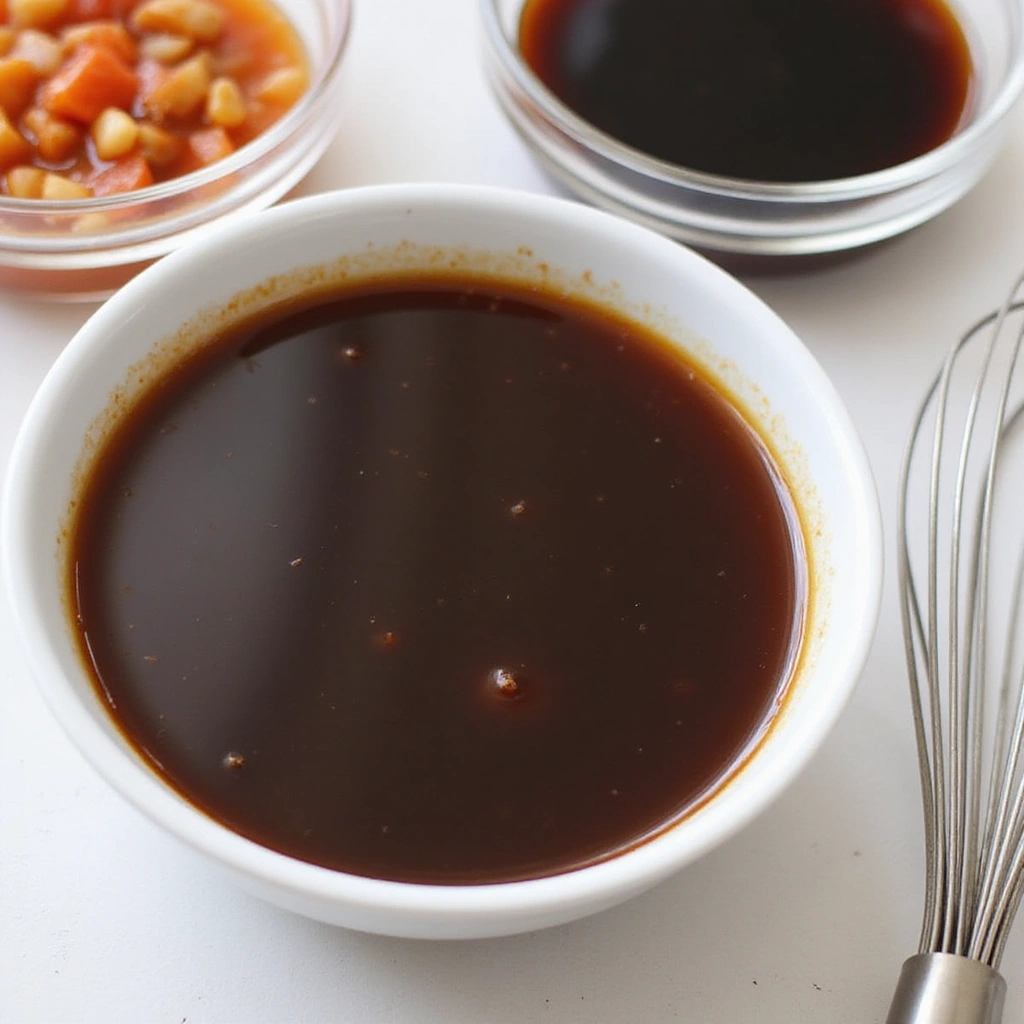
In a small bowl, combine soy sauce, hoisin sauce, sesame oil, minced garlic, and minced ginger.
Whisk together until well blended, creating a cohesive sauce.
This mixture will enhance the flavors of the pork and vegetables.
Set the sauce aside for later use.
Step 4: Heat Wok
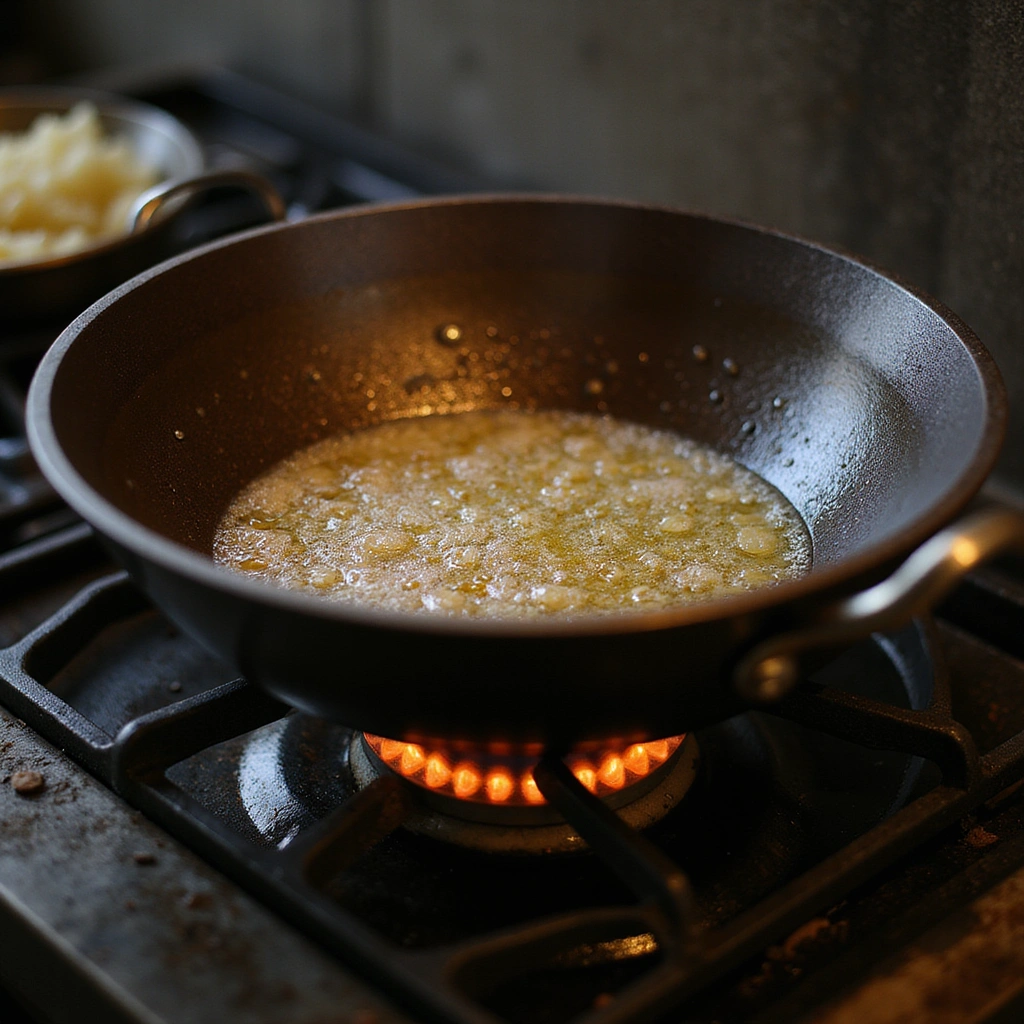
Place the wok over high heat and allow it to become very hot, which is crucial for stir-frying.
Add a small amount of oil, swirling it around to coat the surface evenly.
The oil should shimmer, indicating it’s hot enough for cooking.
This step ensures that the ingredients will sizzle rather than steam.
Step 5: Stir-Fry Pork
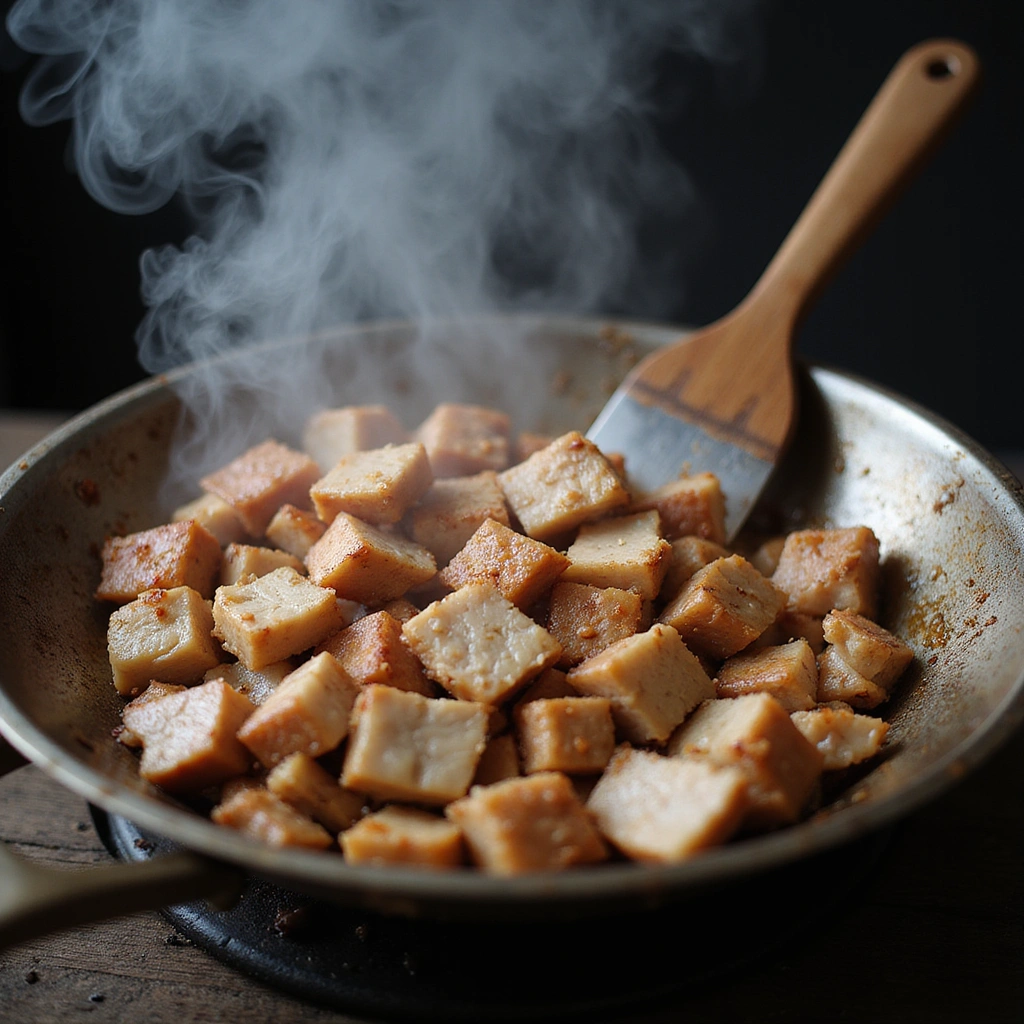
Add the prepared pork to the hot wok and stir-fry for about 2-3 minutes.
Look for a slight caramelization on the edges of the pork for enhanced flavor.
Keep stirring to prevent burning and ensure even heating.
This method revitalizes the pork, making it tender and juicy.
Step 6: Add Vegetables
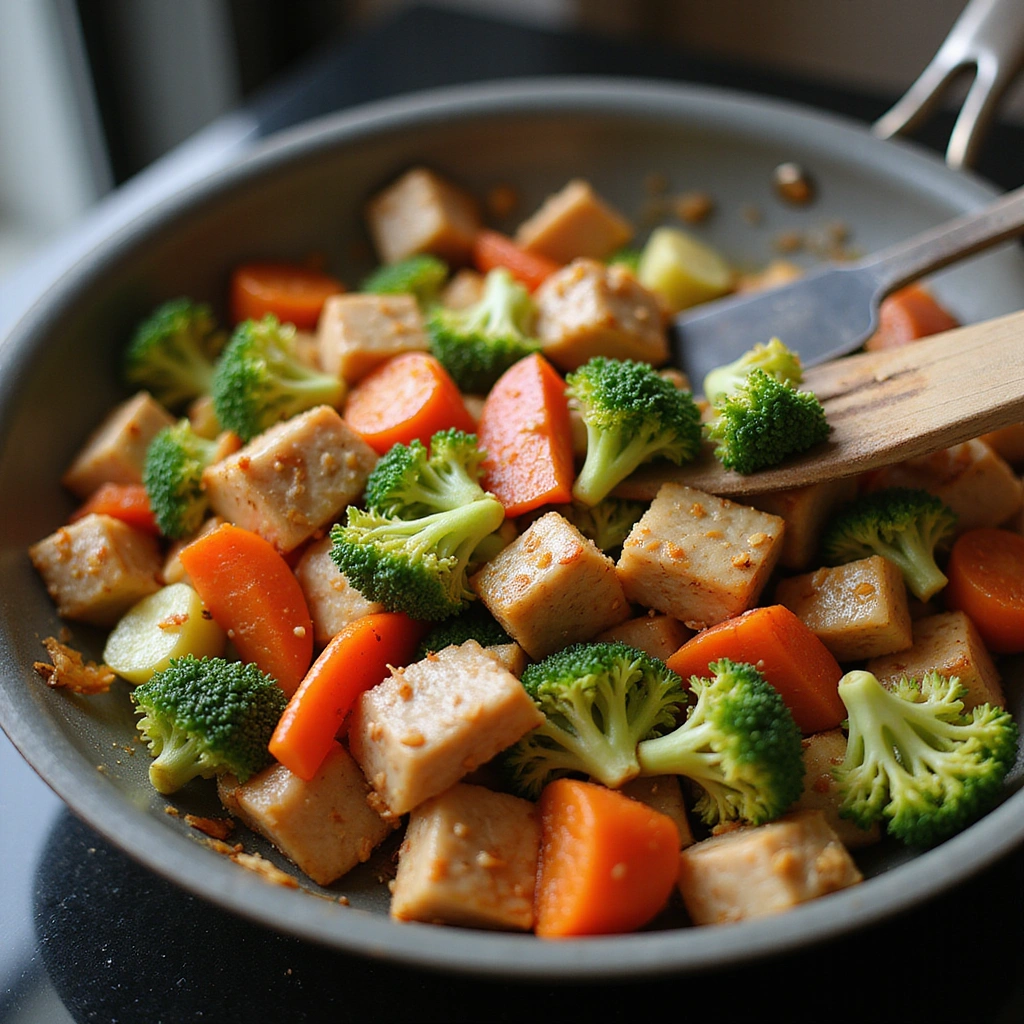
Introduce the chopped vegetables to the wok with the pork.
Stir-fry for an additional 3-4 minutes until the vegetables are bright and tender-crisp.
Monitor the heat to avoid overcooking the vegetables.
They should maintain their vibrant colors and crunch.
Step 7: Pour Sauce
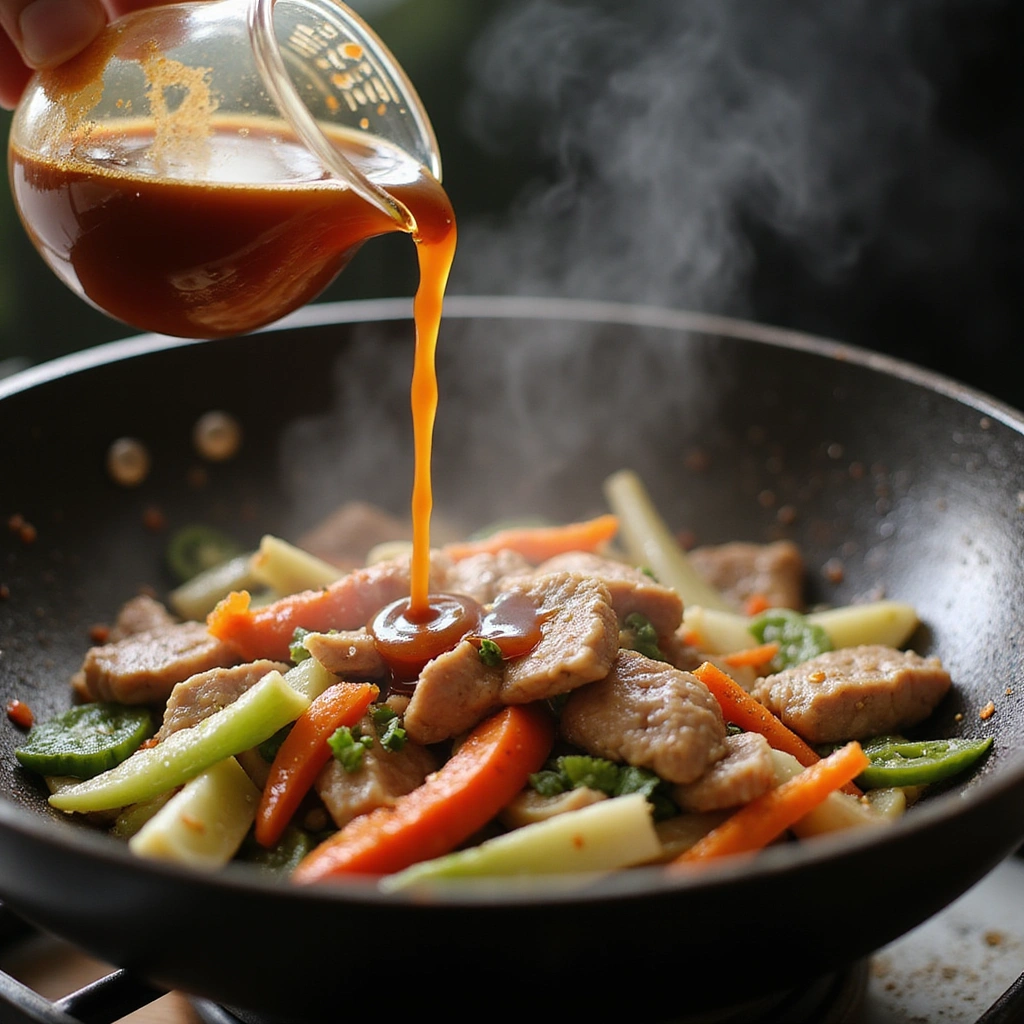
Once the vegetables are cooked, pour the prepared sauce over the mixture in the wok.
Stir quickly to coat all ingredients evenly with the sauce.
Allow it to simmer for 1-2 minutes, letting the flavors meld.
This step is crucial for ensuring each bite is flavorful.
Step 8: Serve
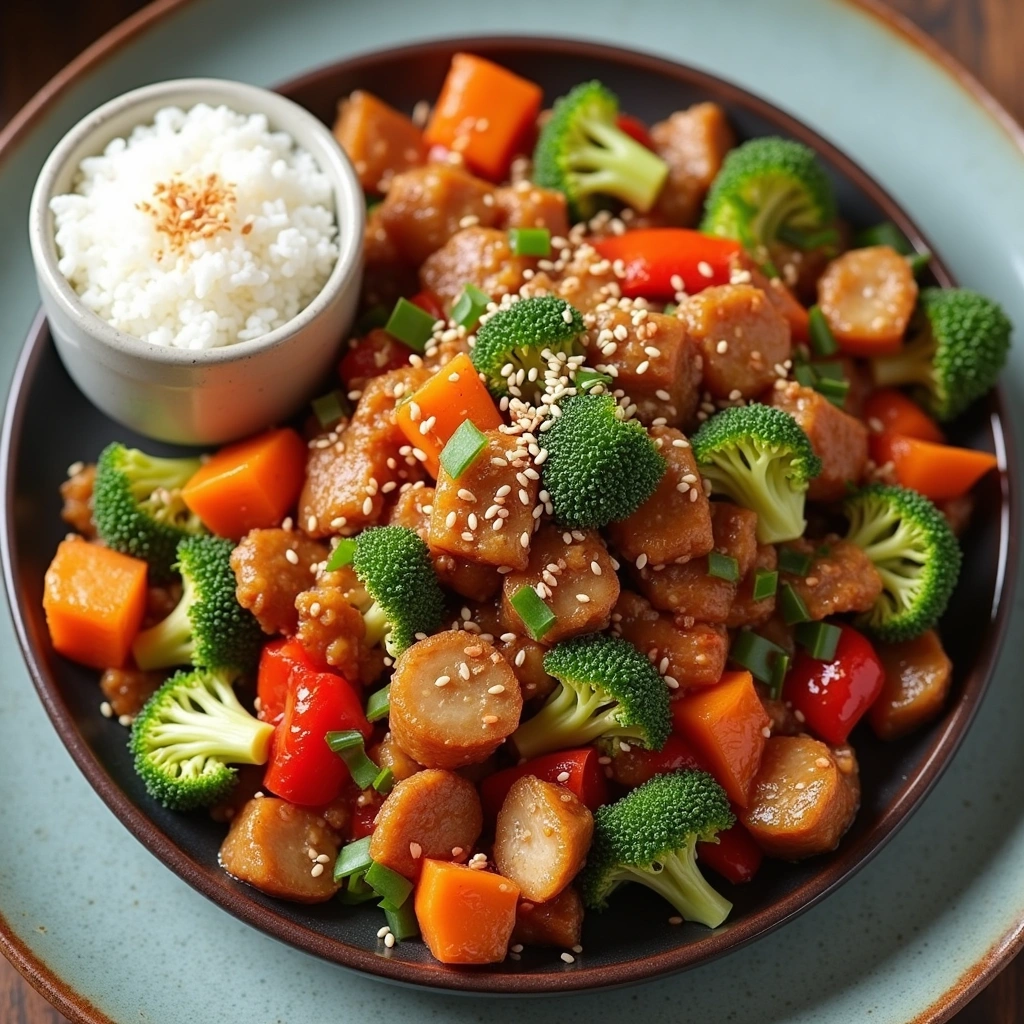
Transfer the stir-fried pork and vegetables onto a serving platter or individual bowls.
Garnish with sesame seeds or green onions if desired.
Serve immediately while hot, alongside steamed rice or noodles.
This dish is best enjoyed fresh for optimal flavor and texture.
Critical Timing and Temperature Guide
Stir-Frying: Aim for a cooking time of 5-7 minutes total. Look for bright colors in vegetables and a slight caramelization on meat. Avoid overcooking to maintain texture.
Heating Oil: Heat oil until it shimmers, typically around 375°F (190°C). If the oil smokes, it’s too hot and should be reduced. Proper oil temperature prevents sticking.
Flavor Development: Allow the sauce to simmer for at least 1 minute to develop flavors. Look for a thickening of the sauce, indicating it’s ready to coat the ingredients.
Pro Tips for Leftover Pork Roast Chinese Recipes Creative And Delicious
• Ingredient Selection: Use high-quality soy sauce and fresh vegetables for the best flavor.
• Preparation Secret: Marinating the pork in the sauce for 15 minutes enhances its flavor significantly.
• Temperature Management: Keep the wok hot throughout cooking to prevent steaming.
• Texture Enhancement: Stir-fry in small batches if necessary to maintain high heat.
• Flavor Layering: Taste and adjust the sauce as you cook for a balanced flavor profile.
• Make-Ahead Strategies: Prepare sauce in advance and store in the fridge for up to 3 days.
• Restaurant-Quality Finishing Touches: Garnish with fresh herbs or sesame seeds just before serving.
• Equipment Optimization: Use a well-seasoned wok for the best non-stick properties.
Variations and Regional Differences
• Kung Pao Variation: This version includes peanuts and a spicy kick, often incorporating Szechuan peppercorns for a unique flavor.
• Sweet and Sour Style: A different approach using pineapple and a sweet and tangy sauce, perfect for those who enjoy fruity flavors.
• Mapo Tofu Adaptation: Incorporating soft tofu into the mix adds creaminess and a rich mouthfeel, common in Sichuan cuisine.
• Modern Interpretations: Contemporary takes might include using gluten-free soy sauce or adding quinoa for a healthier twist.
Food Science Behind the Recipe
• Maillard Reaction: This chemical reaction occurs when proteins and sugars in the pork caramelize at high heat, enhancing flavor and color in the dish.
• Emulsification: The sauce blends oil and water-based ingredients, creating a smooth and cohesive flavor profile that clings to the meat and vegetables.
• Starch Gelatinization: When starches in vegetables heat, they swell and soften, contributing to the overall texture and mouthfeel of the dish.
Frequently Asked Questions
What’s the most common mistake people make when preparing leftover pork roast dishes? Overcooking the pork is a frequent issue. To prevent this, cook just until heated through and slightly caramelized.
Can I prepare components of this dish in advance? Yes, you can chop vegetables and prepare the sauce ahead of time. Store them separately in the fridge for up to 3 days.
How do I adapt this recipe for dietary restrictions? Substitute soy sauce with coconut aminos for a gluten-free option or use tofu for a vegetarian version.
What’s the best way to store and reheat leftovers? Store in an airtight container in the fridge for up to 3 days. Reheat in a pan over medium heat, adding a splash of water to maintain moisture.
Can I freeze this dish? Yes, it freezes well. Store in a freezer-safe container for up to 3 months. Thaw overnight in the fridge before reheating.
What wine or beverages pair best with this dish? A light Riesling or a cold lager complements the flavors beautifully.
How can I scale this recipe up for a crowd? Simply multiply the ingredient quantities by the number of servings needed, ensuring your wok or pan is large enough to handle the increased volume.
What side dishes complement this recipe best? Steamed jasmine rice or fried rice pair well, providing a neutral base to balance the flavors.
How do professional chefs elevate this dish for restaurant service? They often add a splash of vinegar or citrus juice just before serving for brightness and garnish with fresh herbs for a pop of color.
Serving and Presentation Guide
• Traditional Presentation: Serve in a large bowl, garnished with green onions and sesame seeds, alongside rice in smaller bowls.
• Modern Plating Ideas: Use individual plates, artfully arranging the stir-fry with a diagonal line of rice, adding visual interest.
• Accompaniment Suggestions: Serve with steamed dumplings or a light cucumber salad for added freshness.
• Special Occasion Presentation: For festive gatherings, serve on a decorative platter with fresh herbs and colorful vegetables arranged around the edges.
Conclusion
Transforming leftover pork roast into a delicious Chinese-inspired meal is not only satisfying but also a great way to minimize waste.
I hope you find joy in trying these recipes and making them your own.
With a few simple techniques, you can create a memorable dish that brings family and friends together around the table.