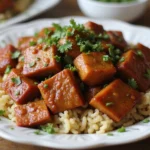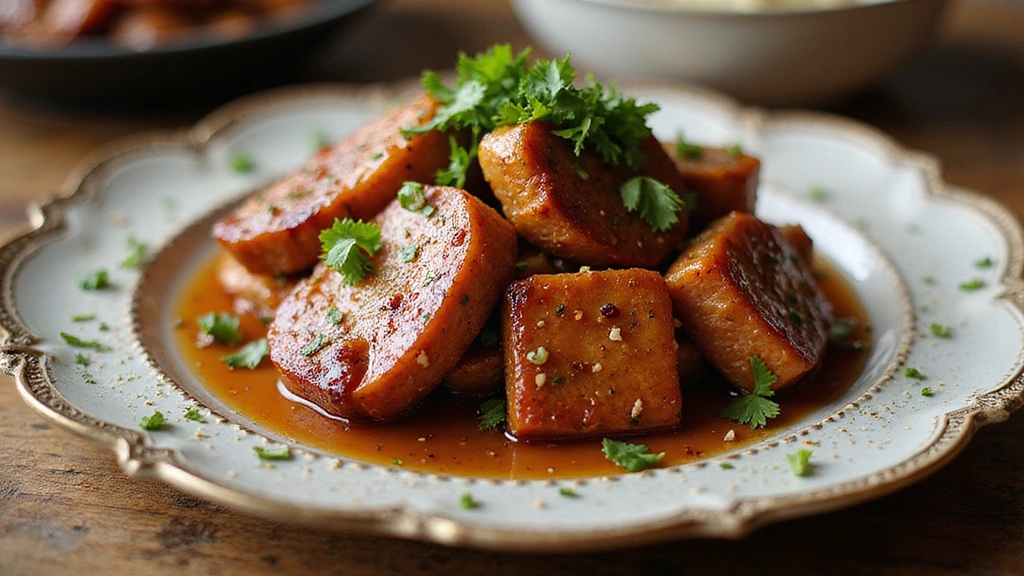
Chinese Braised Pork Belly, known as ‘Dong Po Rou,’ is a dish that tantalizes the taste buds with its rich, savory flavors and melt-in-your-mouth tenderness.
The combination of sweet, salty, and umami elements creates a depth of flavor that is both satisfying and indulgent.
I first encountered this dish at a local family gathering in China, where it was the centerpiece of the meal, drawing everyone together with its irresistible aroma.
Perfect for special occasions or a comforting family dinner, this recipe is sure to impress with its straightforward preparation and incredible results.
The History and Cultural Significance
• Chinese Braised Pork Belly traces its origins to the Southern regions of China during the Song Dynasty, where it was originally created to showcase the cooking techniques of the time.
• The dish evolved over decades as regional preferences influenced the balance of sweet and savory flavors, eventually becoming the beloved version we know today.
• In Chinese culture, this dish traditionally appears at celebratory gatherings, symbolizing wealth and prosperity due to its rich flavor and luxurious ingredients.
• While many variations exist across different regions, the authentic version maintains its signature melt-in-your-mouth texture that sets it apart from imitations.


Recipe Overview
Nutritional Information (per serving)


Ingredients





Essential Equipment Guide
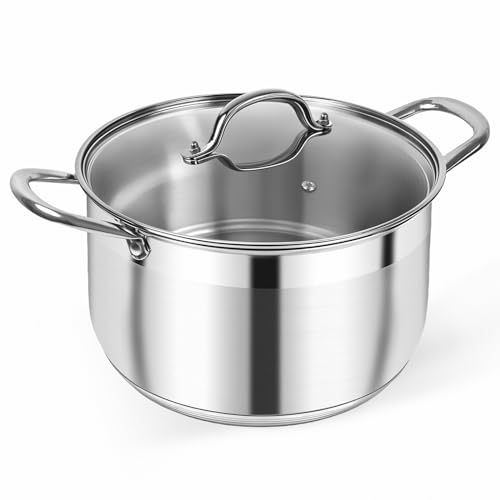
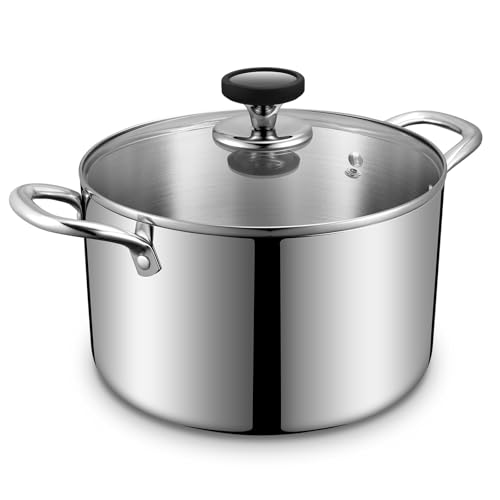
Heavy-bottomed pot or Dutch oven: This type of cookware is essential for even heat distribution, preventing burning and ensuring that the pork belly simmers gently for tender results. Look for one with a tight-fitting lid and a heavy base to maintain temperature.
Sharp knife: A sharp knife is crucial for precise cutting of the pork belly into uniform pieces, ensuring even cooking. Consider a chef’s knife or a Santoku knife for versatility and ease of use.
Measuring cups and spoons: Accurate measurements are key in this recipe for balancing flavors. Use dry measuring cups for solids and liquid measuring cups for sauces to ensure precision in your cooking.





Preparation Methods
Blanching: This technique involves briefly boiling the pork belly to remove impurities and excess fat before braising. Blanching helps achieve a cleaner flavor and a better texture in the final dish. Ensure to rinse the pork under cold water after blanching to stop the cooking process.
Braising: A slow cooking method that combines moisture and low heat to transform tough cuts of meat into tender, flavorful dishes. For optimal results, keep the lid on during braising to retain steam and ensure the pork belly absorbs the sauce fully.
Reducing: This process involves simmering the sauce to concentrate flavors and thicken the sauce. Monitor the heat to avoid burning; you want a gentle simmer for effective reduction without evaporation.
Step 1: Prepare the Pork Belly
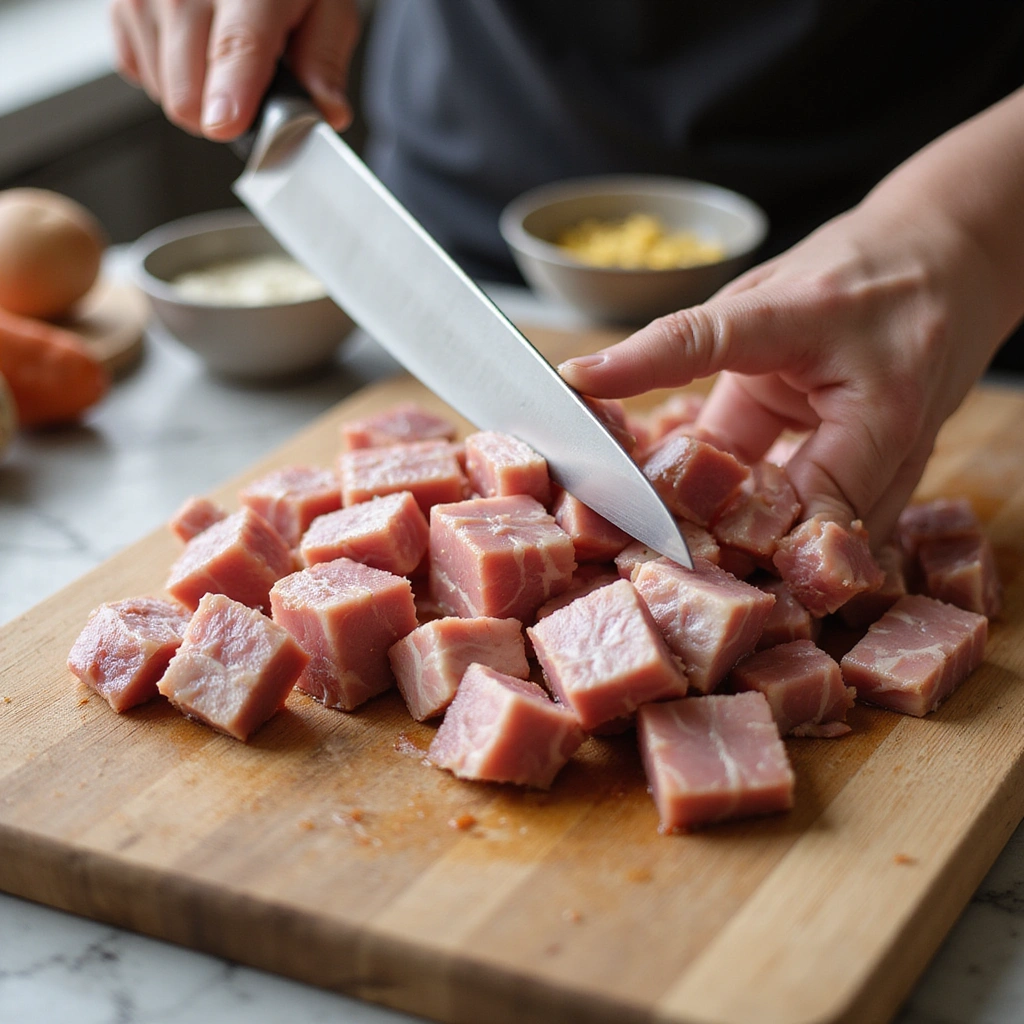
Begin by cutting the pork belly into 1-inch cubes.
This size ensures even cooking and proper flavor absorption.
Make sure to remove any excess skin or tough parts if present.
Set the pork aside as you prepare to blanch it.
Step 2: Blanch the Pork Belly
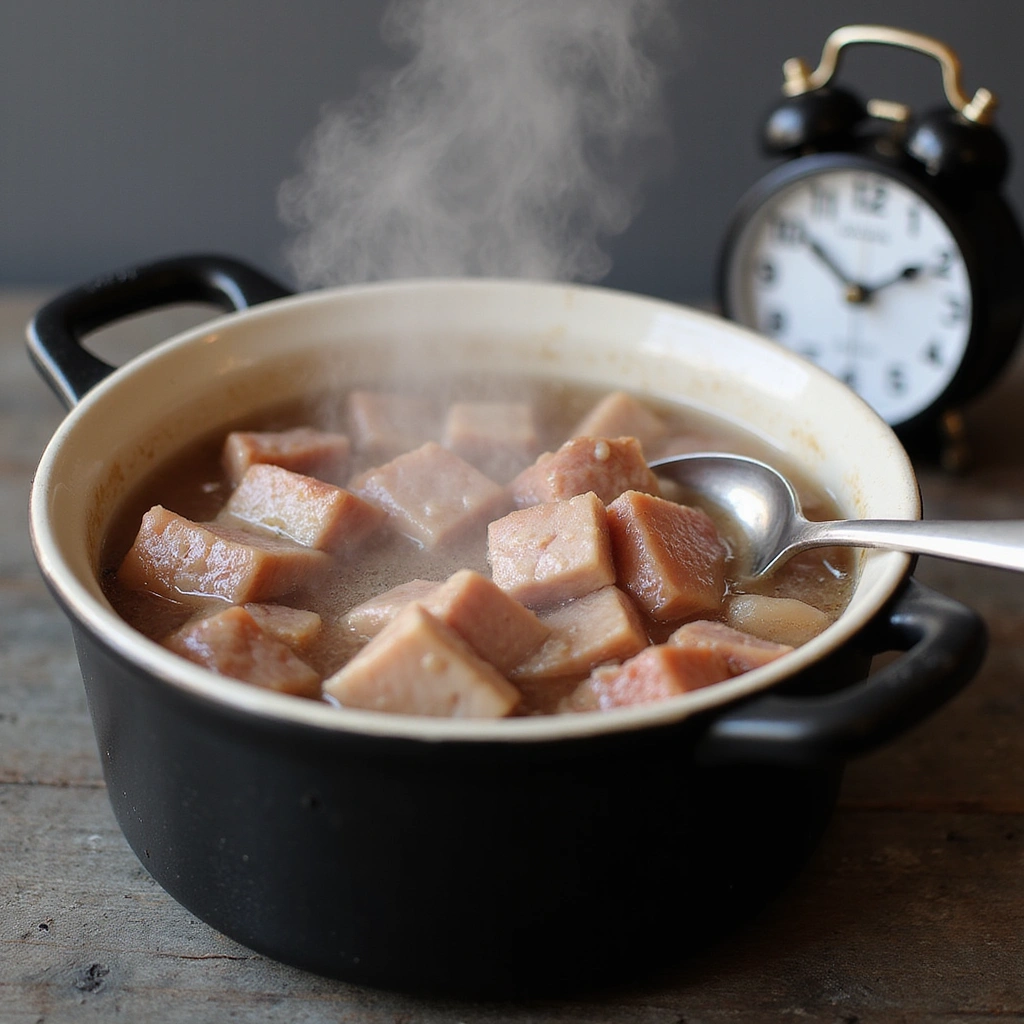
Place the pork belly cubes into a pot of boiling water.
Blanch for about 5 minutes to remove impurities and excess fat.
Once done, drain and rinse the pork under cold water.
This step ensures a cleaner flavor in your final dish.




Step 3: Sear the Pork Belly
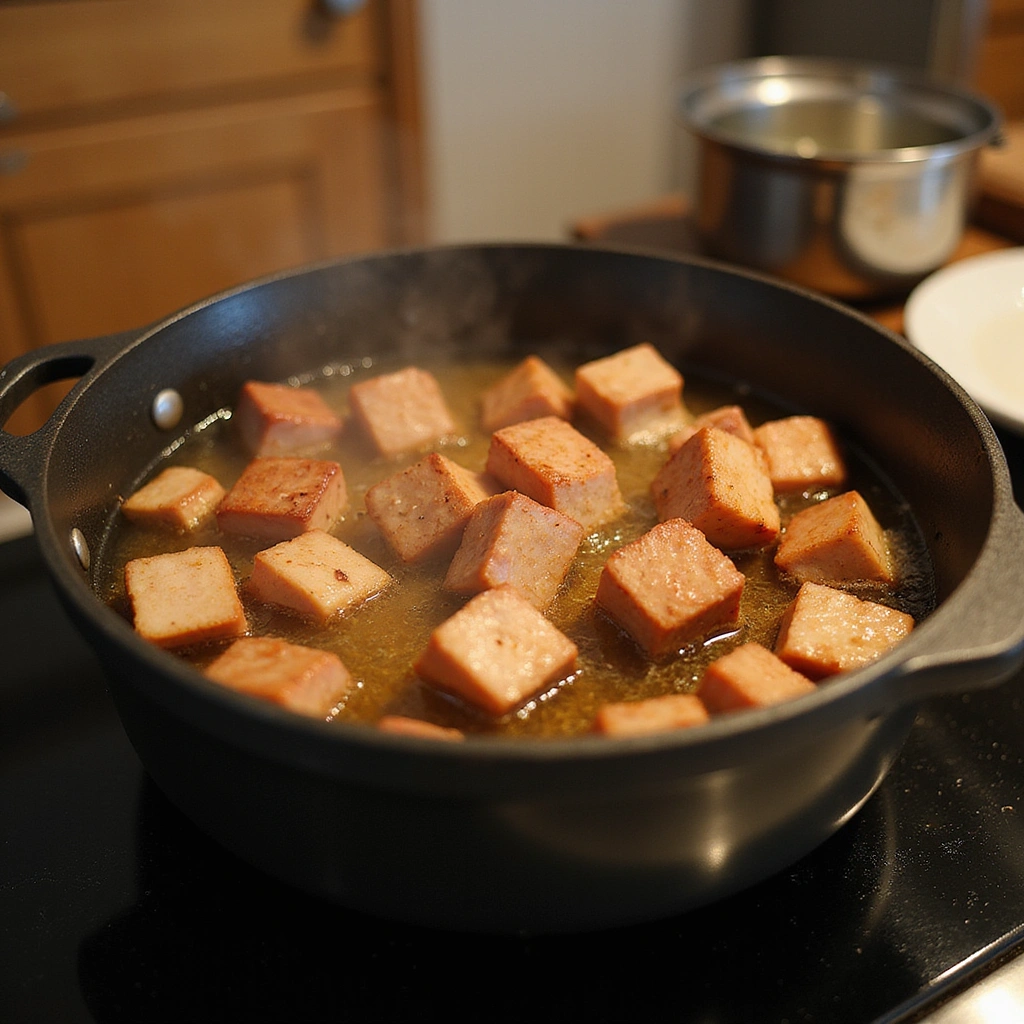
Heat vegetable oil in a heavy-bottomed pot over medium-high heat.
Add the pork belly cubes and sear them until golden brown on all sides.
This caramelization adds depth of flavor to the dish.
Avoid overcrowding the pot to ensure even browning.
Step 4: Add Aromatics
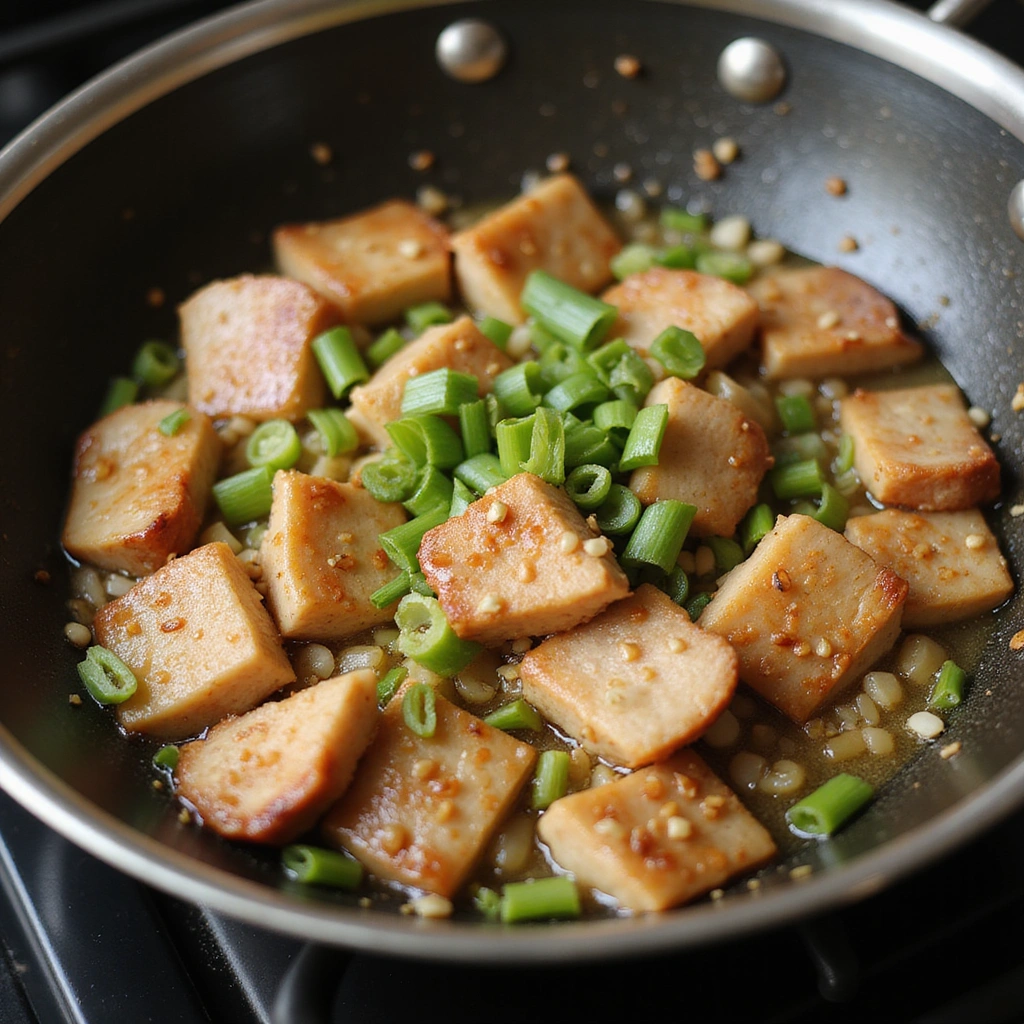
Once the pork is seared, add the ginger, garlic, and scallions to the pot.
Sauté for 2-3 minutes until fragrant, stirring frequently.
This step infuses the pork with aromatic flavors.
Be careful not to burn the garlic as it can turn bitter.


Step 5: Combine Sauce Ingredients
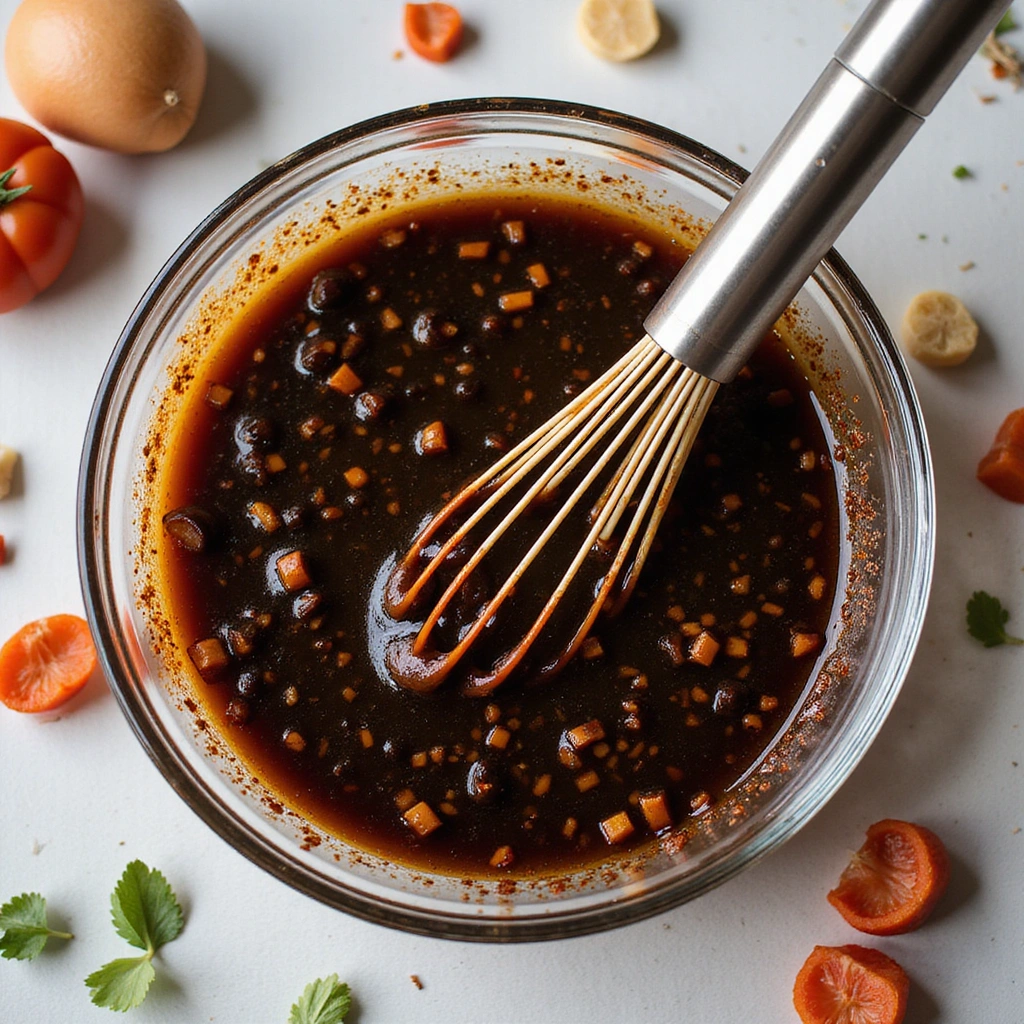
In a separate bowl, mix the soy sauce, Shaoxing wine, water, brown sugar, and rice vinegar.
Stir until the sugar dissolves completely.
This mixture will create the braising sauce that flavors the pork belly.
Set the sauce aside until the pork is ready.




Step 6: Braise the Pork Belly
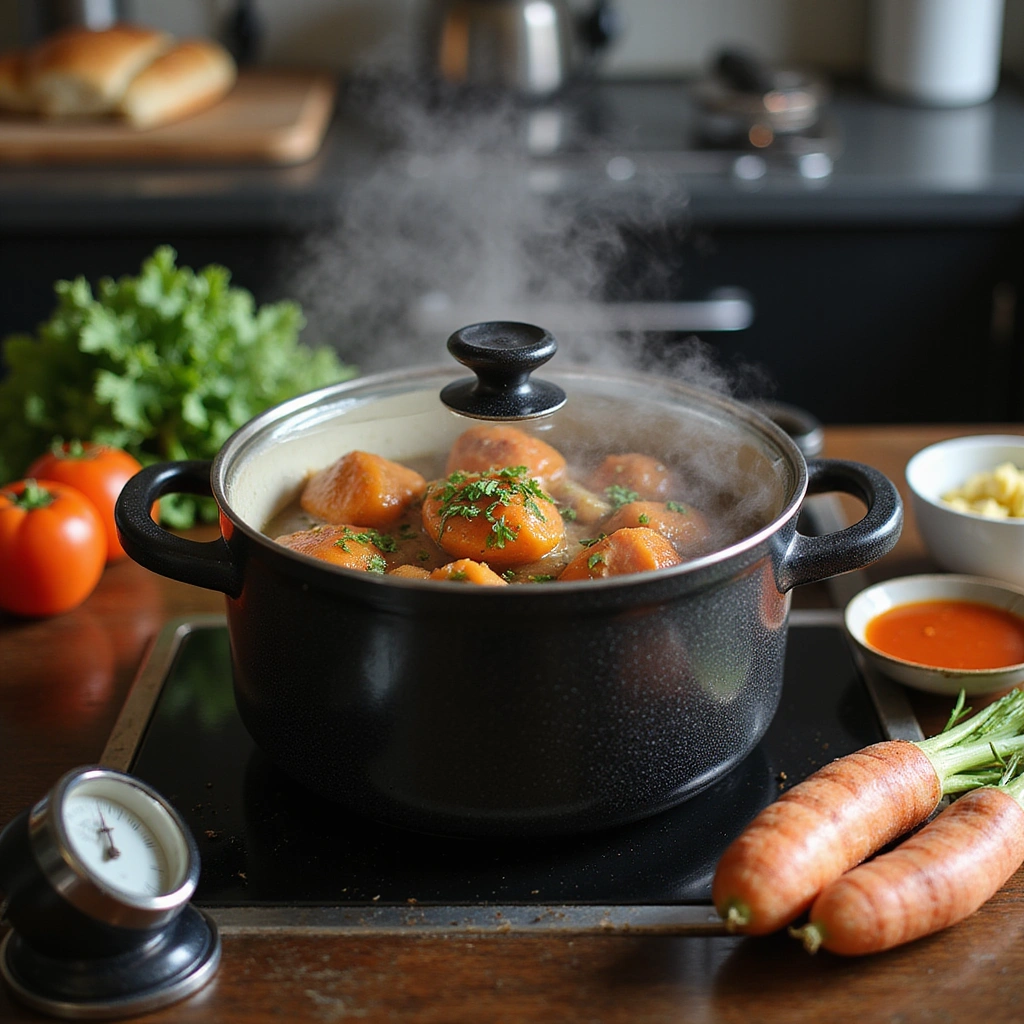
Pour the sauce mixture over the seared pork belly in the pot.
Bring the mixture to a boil, then reduce the heat to low.
Cover the pot and let it simmer for 1.5 hours, stirring occasionally.
This slow cooking allows the flavors to meld and the pork to become tender.
Step 7: Check for Doneness
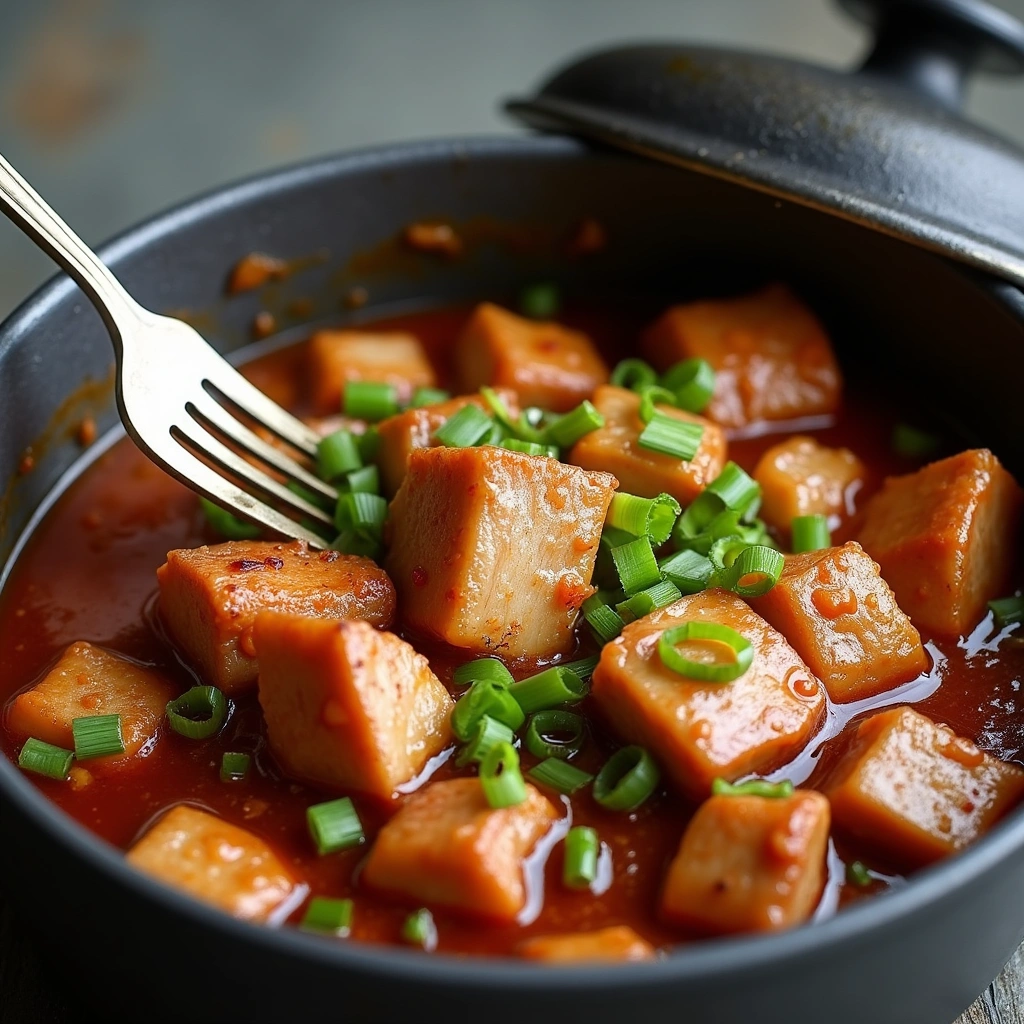
After 1.5 hours, remove the lid and check the pork belly for tenderness.
It should be fork-tender and easily break apart.
If not, continue to simmer for an additional 15-30 minutes.
Ensure the sauce is thickened but not dry.
Step 8: Serve and Enjoy
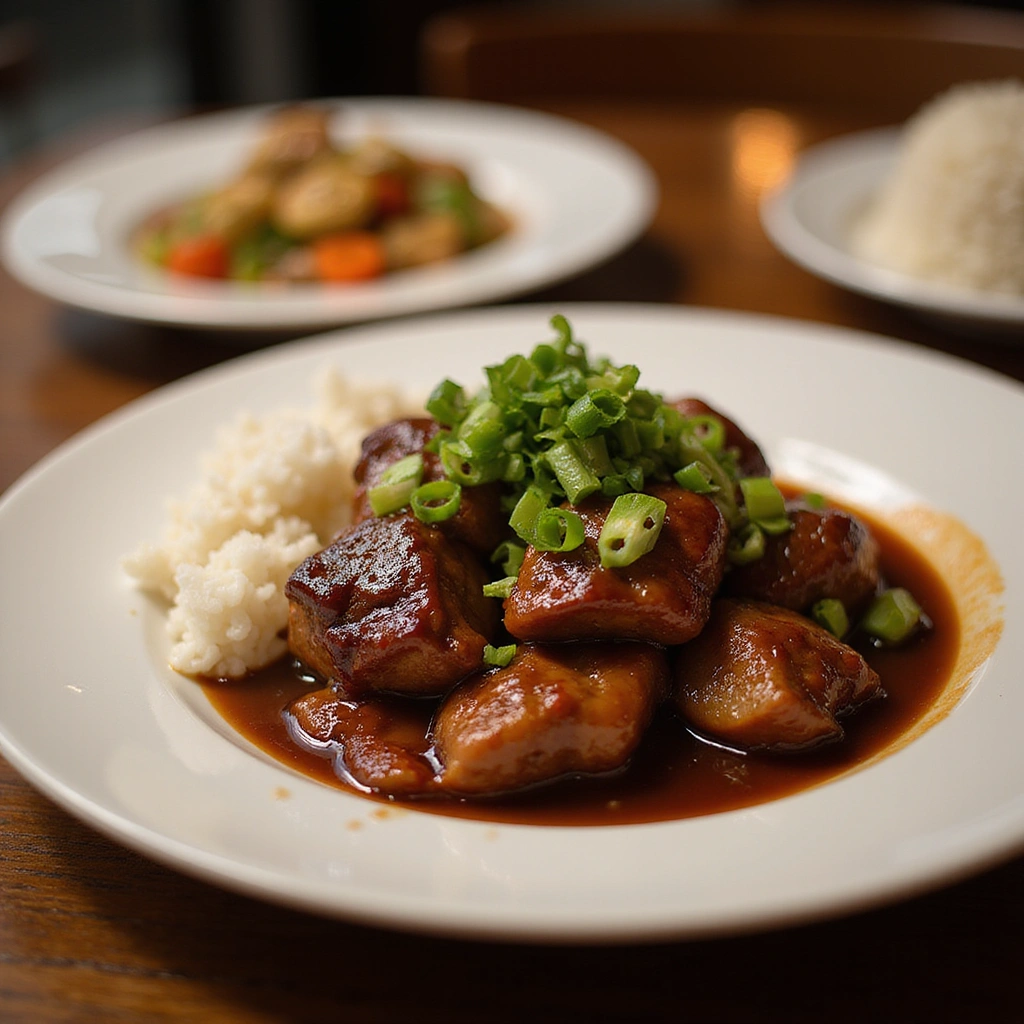
Once the pork is tender, transfer it to a serving plate, spooning the sauce over the top.
Garnish with sliced scallions for a fresh touch.
Serve hot with steamed rice and vegetables for a complete meal.
Enjoy this melt-in-your-mouth delicacy with your family and friends!
Critical Timing and Temperature Guide
Blanching: Blanch pork belly for exactly 5 minutes in boiling water. Look for a slight change in color to pale pink. Avoid overcooking, as it can make the pork tough.
Braising: Simmer the pork in the sauce for 1.5 hours at low heat. The sauce should reduce and thicken without burning. Check for doneness at the 1.5-hour mark; it should be fork-tender.
Final Reduction: After braising, if the sauce is too thin, increase heat and simmer uncovered for 10-15 minutes. Look for a glossy, thick sauce that coats the back of a spoon.
Pro Tips for Chinese Braised Pork Belly Recipe Melt In Your Mouth Flavor
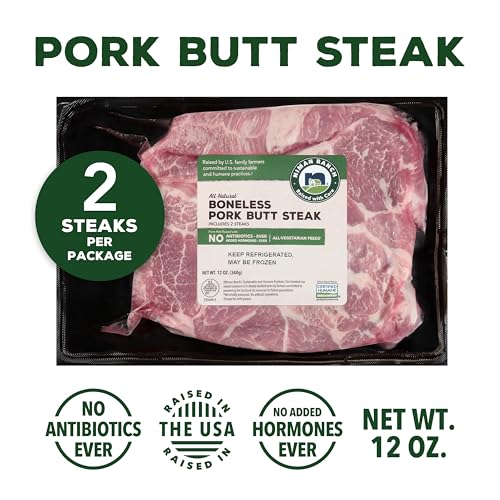
• Ingredient Selection: Use high-quality pork belly with a good fat-to-meat ratio for the best flavor and texture. Fresh ginger and garlic also make a significant difference in taste.
• Preparation Secret: Consider marinating the pork belly in the sauce for a few hours before cooking for deeper flavor penetration.
• Temperature Management: Start with medium-high heat when searing, then lower to low heat for braising to prevent burning while ensuring tenderness.
• Texture Enhancement: For a perfect melt-in-your-mouth experience, avoid rushing the cooking process; slow and low is key.
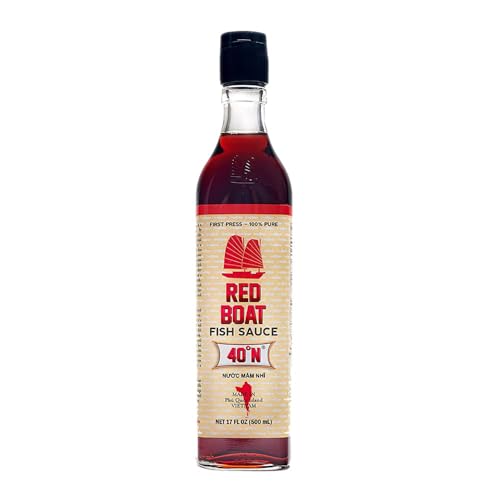
• Flavor Layering: Add a splash of fish sauce or a hint of star anise for an unexpected depth of flavor.
• Make-Ahead Strategies: Prepare the dish a day in advance and reheat gently; flavors will deepen overnight.
• Restaurant-Quality Finishing Touches: Drizzle with sesame oil just before serving for an aromatic finish.
• Equipment Optimization: If you don’t have a Dutch oven, a heavy skillet with a lid can work as an alternative.




Troubleshooting Common Issues
• Texture Too Dense: This could be due to overcooking the pork belly at too high a temperature. Ensure to braise at low heat and check tenderness regularly, adjusting cooking time as needed.
• Flavors Unbalanced: If the dish tastes too salty or sweet, adjust by adding a splash of vinegar or a bit of water to balance the flavors. Taste as you go to find the right balance.
• Too Much Fat: If your dish ends up too greasy, skim off excess fat from the surface of the sauce after braising. You can also place the pot in the fridge; the fat will solidify for easier removal.
• Burnt Sauce: If the sauce burns, reduce the heat immediately and add a bit of water to deglaze the pot, scraping up any burnt bits. Adjust cooking time to prevent this in future attempts.
• Pork Not Tender: If the pork isn’t tender enough, it may need extra braising time. Ensure the heat is low and the pot is covered to retain moisture during cooking.
• Too Much Liquid: If there’s too much sauce left after cooking, remove the pork and reduce the sauce over medium heat until thickened, stirring frequently.
Variations and Regional Differences
• Sichuan Style: This variation incorporates Sichuan peppercorns and dried chili peppers, adding a spicy kick to the traditional recipe. The combination of heat and sweetness creates a unique flavor profile.
• Taiwanese Braised Pork Rice: In this version, the braised pork belly is served over rice, often with a boiled egg and pickled vegetables, providing a hearty and comforting meal.
• Red Braised Pork: A popular style in many regions, this version uses red vinegar and additional spices like star anise and cinnamon for a more aromatic and fragrant dish.
• Modern Interpretations: Contemporary takes on this dish may include a sous-vide method for precision cooking or the use of alternative meats like chicken thighs for a lighter option.


Food Science Behind the Recipe
• Gelatinization: The fat in the pork belly melts during cooking, helping to create a rich, silky sauce. This process transforms tough collagen in the meat into gelatin, enhancing the overall mouthfeel.
• Maillard Reaction: Searing the pork belly initiates the Maillard reaction, which enhances the flavors and creates a beautiful brown crust. This caramelization adds depth to the dish’s flavor profile.
• Emulsification: As the fat renders and combines with the braising liquid, an emulsion forms, which thickens the sauce and coats the pork belly, resulting in a luscious, glossy finish.
Frequently Asked Questions
What’s the most common mistake people make when preparing Chinese Braised Pork Belly? The top mistake is cooking at too high a temperature, leading to tough meat. Always simmer gently for the best texture.
Can I prepare components of this dish in advance? Yes, you can blanch and sear the pork ahead of time. Store it in the fridge for up to 24 hours before braising.
How do I adapt this recipe for dietary restrictions? For a lighter version, you can use skinless chicken thighs and reduce the sugar for a healthier option.
What’s the best way to store and reheat leftovers? Store leftovers in an airtight container in the fridge for up to 3 days. Reheat gently on the stovetop over low heat to maintain texture.
Can I freeze this dish? Yes, freeze the braised pork belly in an airtight container for up to 3 months. Thaw overnight in the fridge before reheating.
What wine or beverages pair best with this dish? A light-bodied red wine, such as Pinot Noir, complements the rich flavors of the dish beautifully.
How can I scale this recipe up for a crowd? Simply multiply the ingredients by the number of servings you need, ensuring to use a large enough pot for braising without overcrowding.
What side dishes complement this recipe best? Steamed bok choy and jasmine rice are ideal accompaniments, balancing the richness of the pork with freshness and texture.
How do professional chefs elevate this dish for restaurant service? Chefs often add unique garnishes like microgreens or edible flowers, and serve with a drizzle of high-quality soy sauce for a refined presentation.
Serving and Presentation Guide
• Traditional Presentation: Serve the braised pork belly on a large platter, spooning the sauce over the top and garnishing with sliced scallions. Use a rustic plate to enhance the dish’s cultural roots.
• Modern Plating Ideas: For a contemporary twist, plate individual portions with a smear of sauce and arrange vegetables artistically around the pork. Add a sprinkle of sesame seeds for visual interest.
• Accompaniment Suggestions: Pair with steamed rice and sautéed greens, such as bok choy or spinach, for a balanced meal.
• Special Occasion Presentation: For celebrations, serve in a clay pot with a lid for a rustic touch, and provide guests with small bowls to customize their servings.
Conclusion
Chinese Braised Pork Belly is a dish that embodies the essence of comfort food with its rich flavors and tender texture.
I encourage you to try making this recipe at home and experience the joy it brings to the dining table.
Whether shared with family or friends, this dish is sure to create lasting memories.