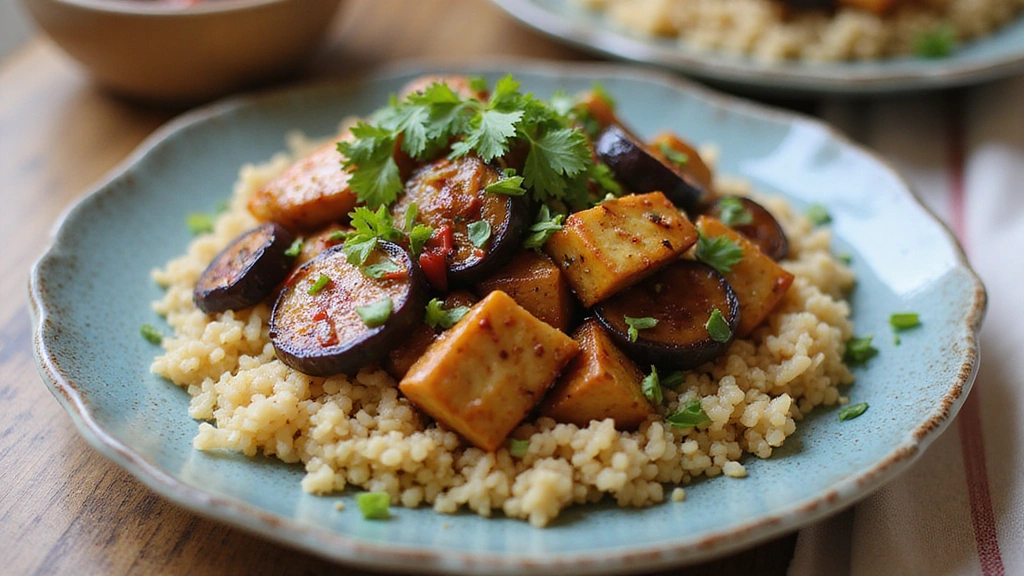
This Chinese Eggplant and Tofu Stir Fry brings together vibrant flavors and textures for a healthy, satisfying meal.
The dish is beautifully balanced, showcasing the tender richness of eggplant and the hearty protein of tofu.
I first fell in love with this recipe at a local Chinese restaurant, where the chef demonstrated the art of stir-frying with precision and care.
Perfect for weeknight dinners or meal prep, this dish is not only easy to make but also packed with nutrients that will please everyone at the table.
The History and Cultural Significance
• Chinese Eggplant and Tofu Stir Fry traces its origins to the Jiangsu province, where it has been a staple in local cuisine for centuries.
• The dish evolved over decades as chefs experimented with different cooking methods and ingredient combinations, eventually becoming a beloved representation of home-style cooking.
• In Chinese culture, this dish is often enjoyed during family gatherings, symbolizing togetherness and nourishment.
• While many variations exist across different regions, the authentic version maintains a focus on fresh ingredients and quick cooking techniques that enhance flavor.
Recipe Overview
Nutritional Information (per serving)
Ingredients
Essential Equipment Guide
Wok: A traditional wok is essential for achieving high heat and quick cooking, allowing for the perfect stir-fry. Look for a well-seasoned carbon steel wok for authentic results. Alternatives include a large skillet, but it may not provide the same heat distribution.
Spatula: A wooden or silicone spatula is ideal for gently tossing ingredients without scratching your cookware. These materials are heat-resistant and won’t interact with the flavors of your dish. Avoid metal spatulas as they can damage non-stick surfaces.
Steamer Basket: If you wish to steam the eggplant before stir-frying, a bamboo or metal steamer basket can be invaluable. It allows for even cooking without making the vegetables soggy. Ensure it fits snugly in your pot for the best results.
Preparation Methods
Pressing Tofu: This technique involves removing excess moisture from tofu to improve its texture and allow it to absorb flavors better. Wrap the tofu in a clean towel and place a heavy object on top for about 15 minutes. This helps achieve a firmer texture that crisps up nicely when sautéed.
Stir-Frying: This high-heat cooking method is key to achieving that signature smoky flavor and tender-crisp vegetables. Use a wok or large skillet, and ensure the oil is hot before adding ingredients. Stir constantly to prevent burning and ensure even cooking.
Making the Sauce: Combining the soy sauce, hoisin sauce, and cornstarch with vegetable broth creates a flavorful glaze that clings to the vegetables and tofu. Mix these ingredients in a bowl until smooth before adding to the stir-fry to ensure even distribution.
Step 1: Prepare Tofu
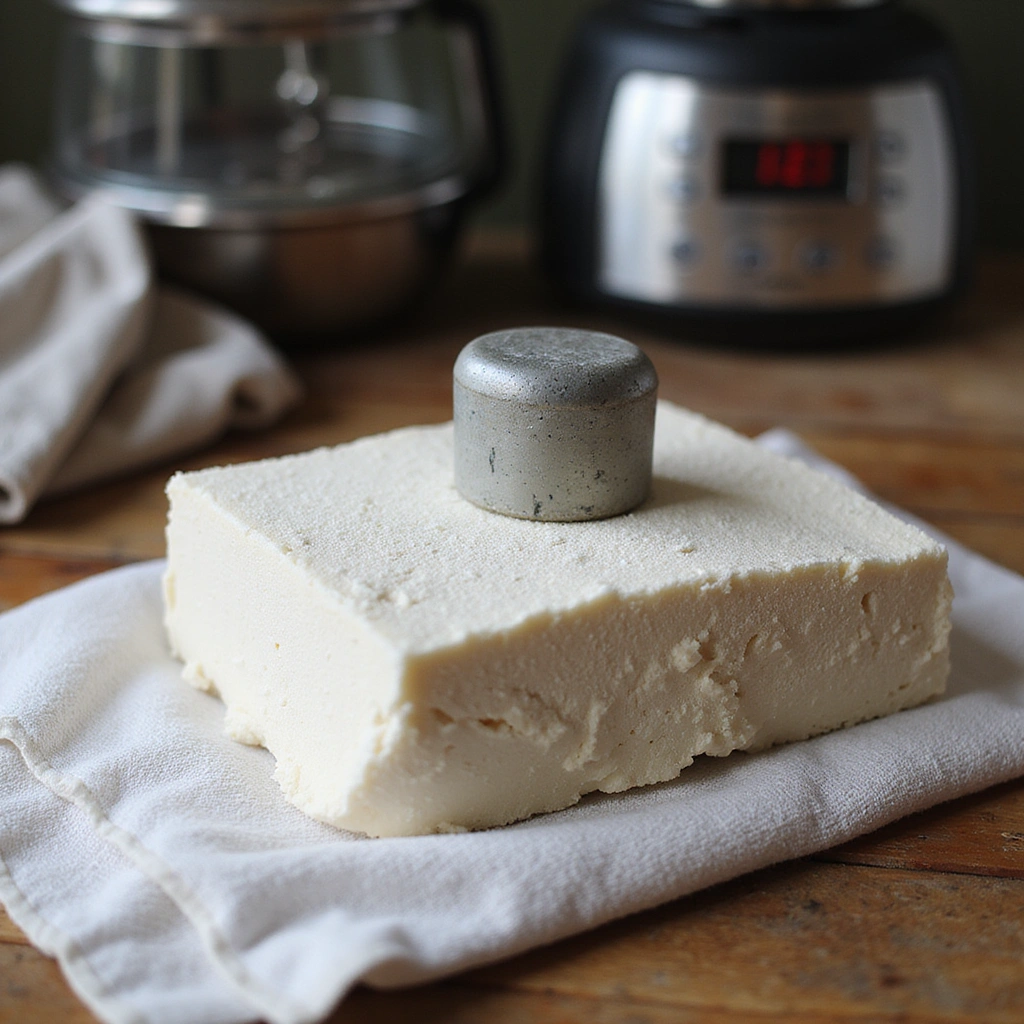
Begin by pressing the tofu to remove excess moisture.
Wrap the tofu in a clean kitchen towel and place a heavy object on top for about 15 minutes.
This step is crucial for achieving a firm texture that will hold up during cooking.
Once pressed, cut the tofu into bite-sized cubes.
Step 2: Slice Vegetables
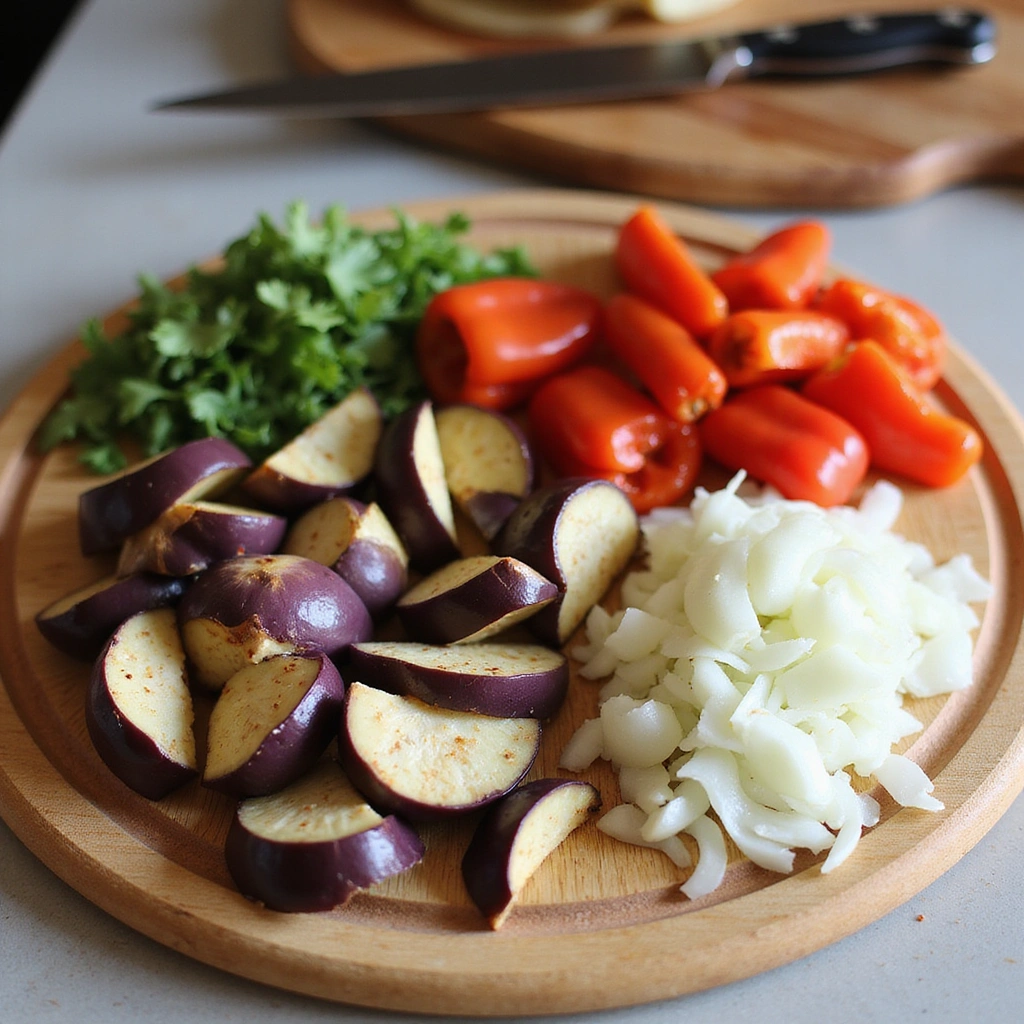
While the tofu is pressing, slice the Chinese eggplant, red bell pepper, and onion.
Aim for uniform sizes to ensure even cooking.
You should have about 2 cups of eggplant slices, 1 cup of bell pepper, and 1 onion.
Set the sliced vegetables aside in a bowl until ready to use.
Step 3: Make the Sauce
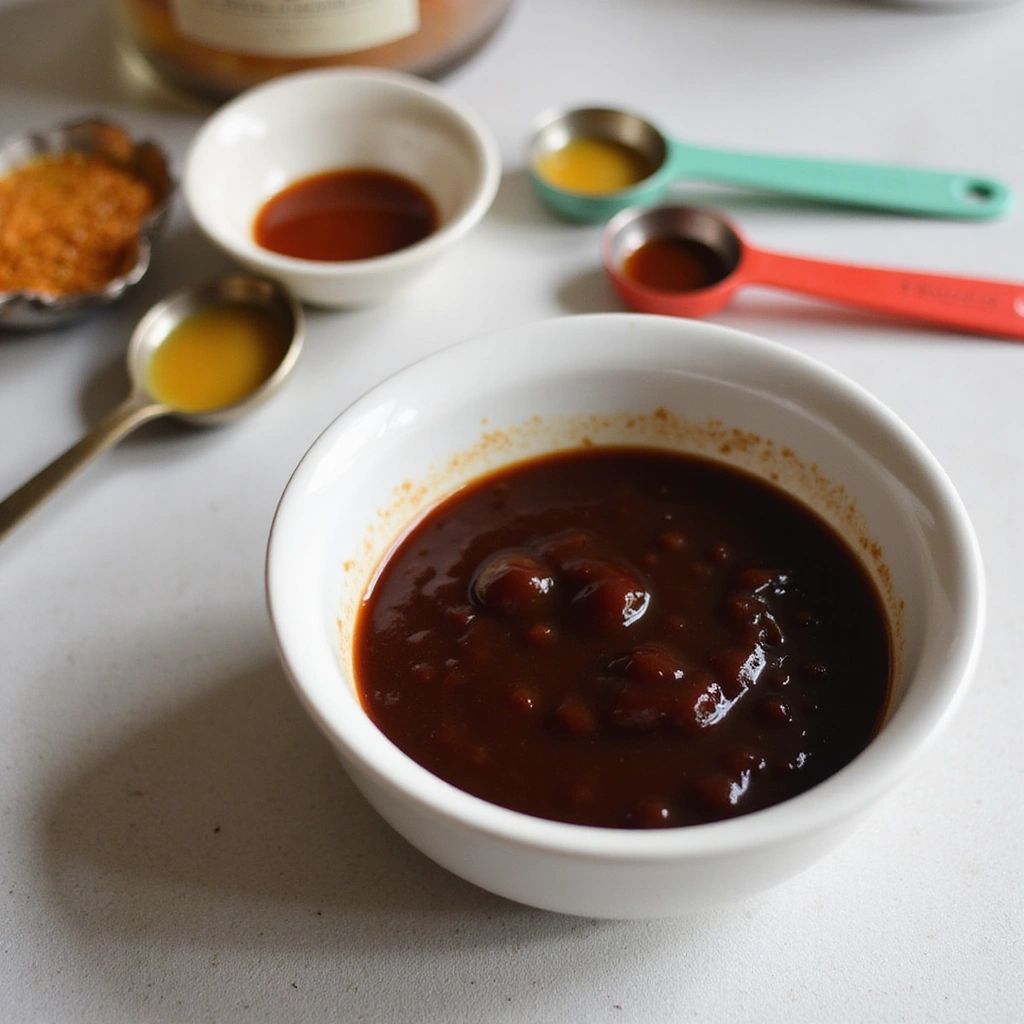
In a small bowl, combine soy sauce, hoisin sauce, cornstarch, and vegetable broth.
Mix until the cornstarch is fully dissolved and the sauce is smooth.
This mixture will thicken and coat the stir-fry beautifully.
Set the sauce aside for later use in the cooking process.
Step 4: Heat Oil in Wok
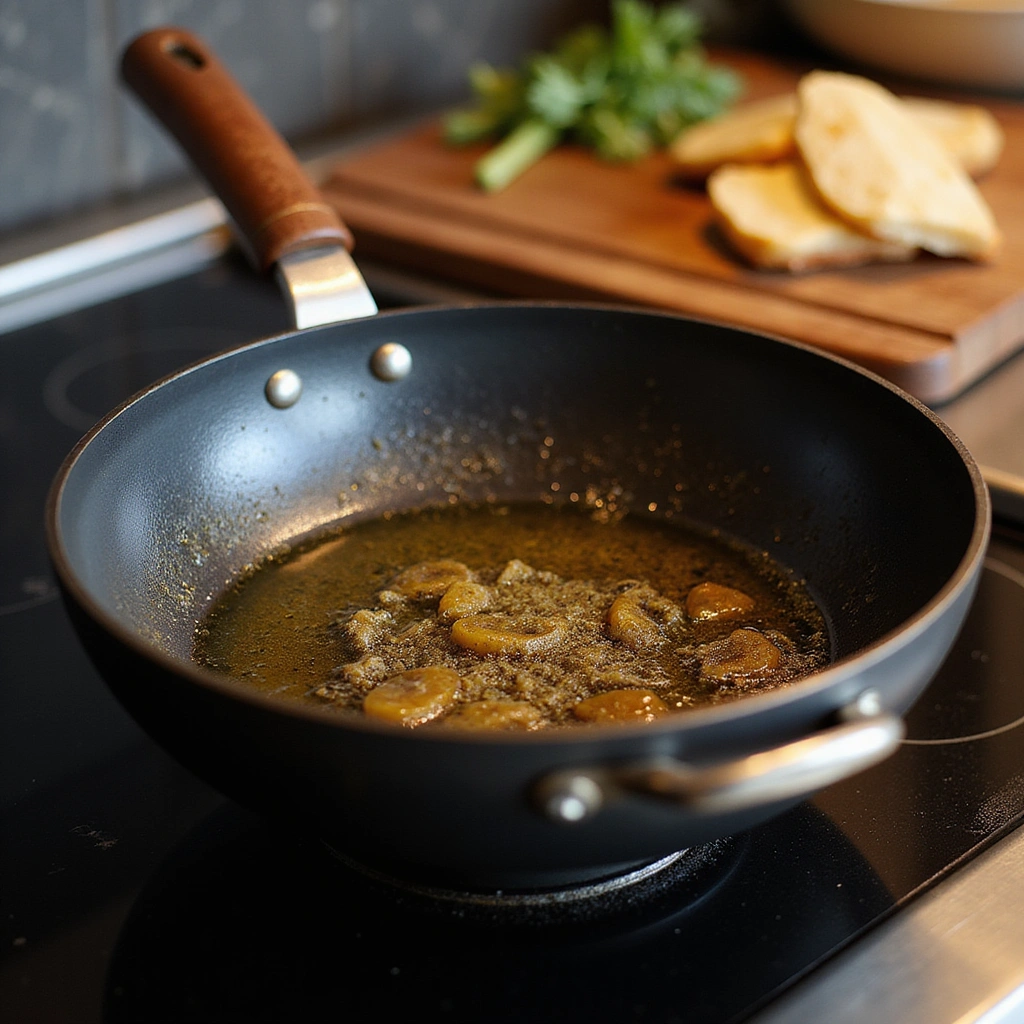
Heat vegetable oil in a wok or large skillet over medium-high heat.
You want the oil to shimmer but not smoke, indicating it’s hot enough.
This is crucial for achieving that perfect stir-fried texture.
Swirl the oil around the pan to coat the surface evenly.
Step 5: Cook Tofu
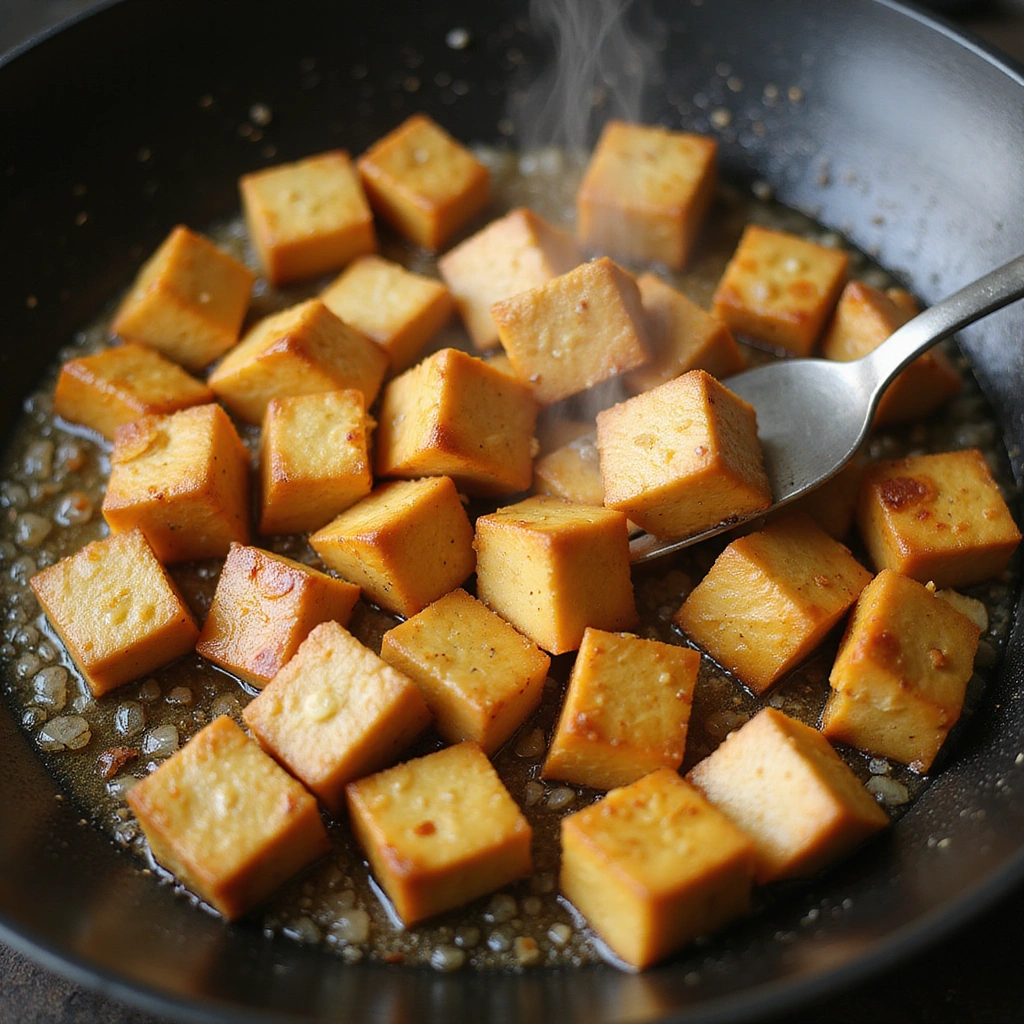
Add the cubed tofu to the hot oil in the wok.
Stir-fry the tofu until golden brown on all sides, about 5-7 minutes.
This step enhances the flavor and texture of the tofu, making it crispy.
Once done, remove the tofu from the wok and set aside.
Step 6: Stir-Fry Vegetables
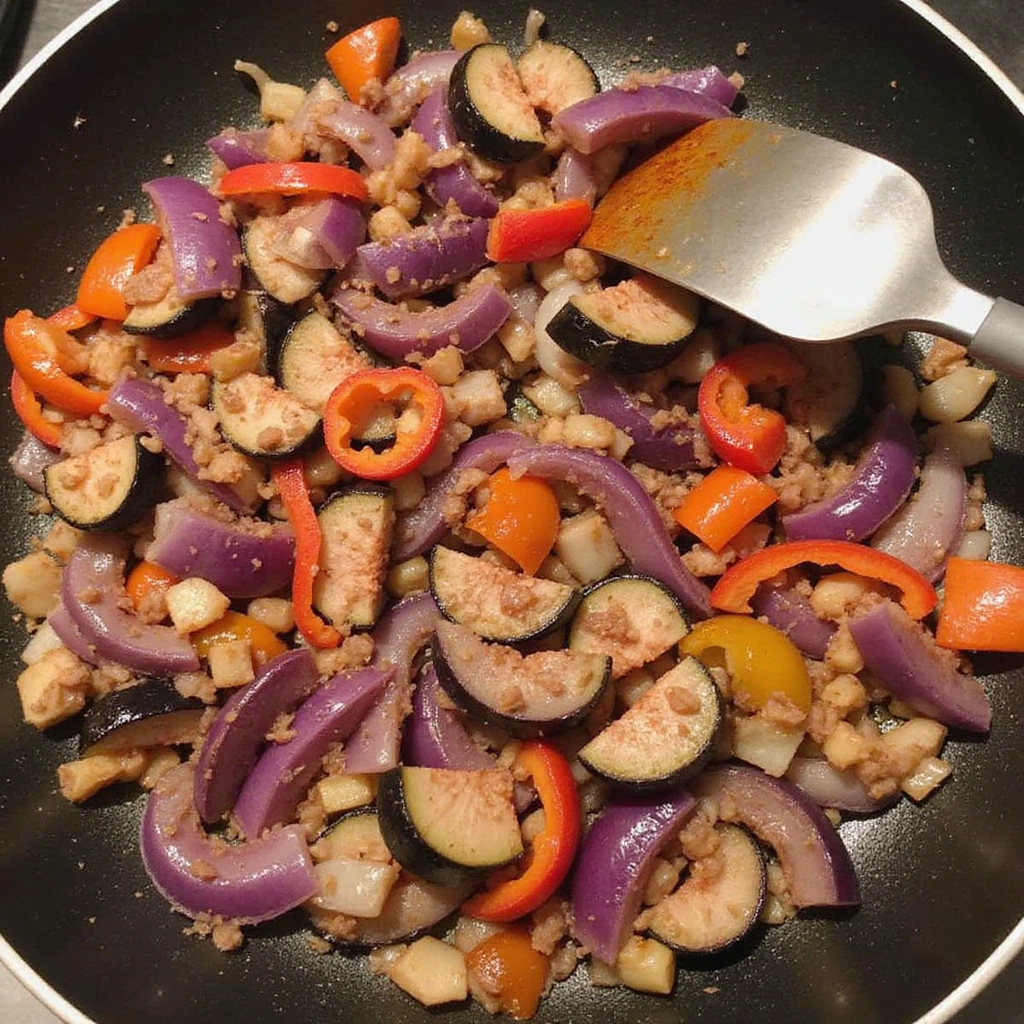
In the same wok, add the sliced onion and stir-fry for about 2 minutes until translucent.
Then add the garlic, ginger, eggplant, and bell pepper, continuing to stir-fry for another 5-6 minutes.
Look for the vegetables to become tender yet still crisp.
Ensure to keep the ingredients moving to prevent burning.
Step 7: Combine Tofu and Sauce
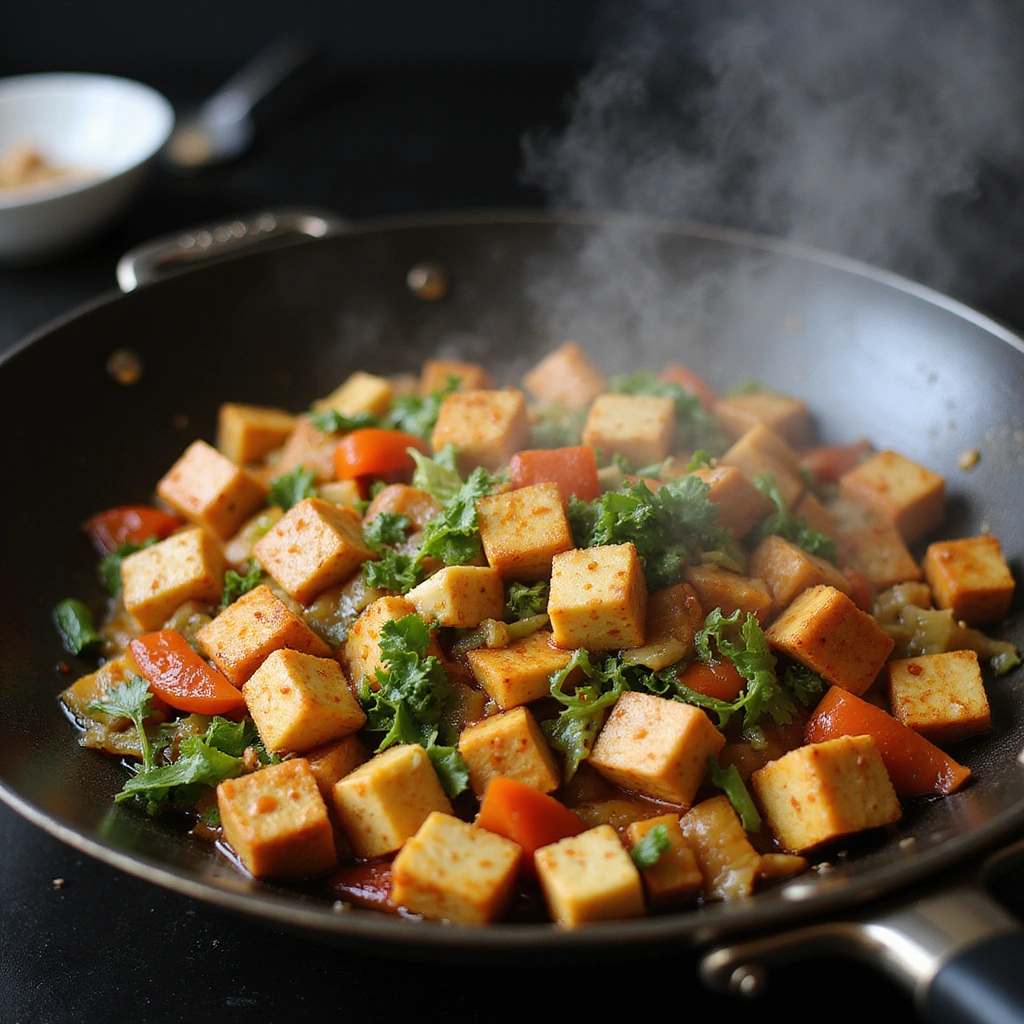
Once the vegetables are cooked, add the crispy tofu back into the wok.
Pour the prepared sauce over the tofu and vegetables, stirring to combine thoroughly.
The sauce should coat all the ingredients evenly, creating a beautiful glaze.
Cook for an additional 2-3 minutes until everything is heated through.
Step 8: Serve and Garnish
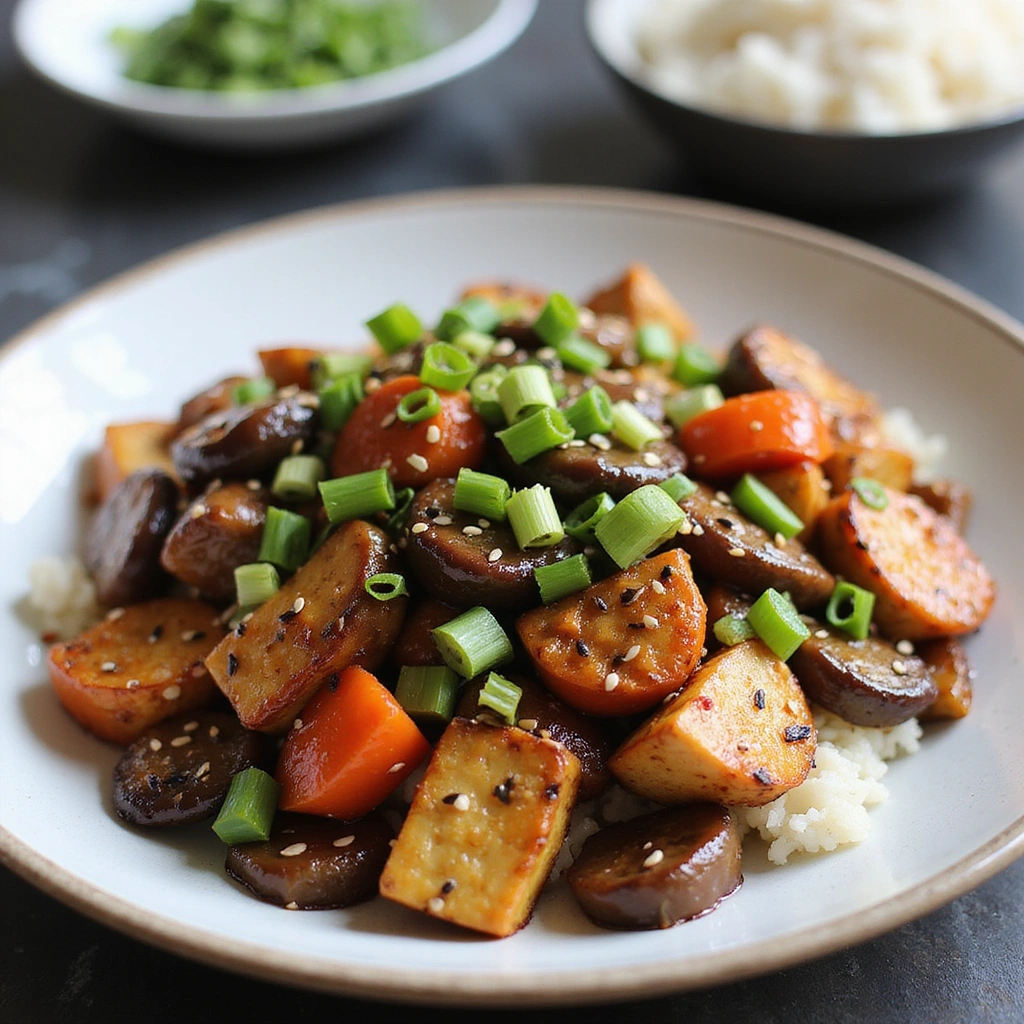
Remove the stir fry from heat and transfer it to a serving dish.
Garnish with sliced green onions and sesame seeds for added flavor and presentation.
This final touch enhances the dish’s visual appeal and adds a fresh crunch.
Serve hot with steamed rice or noodles for a complete meal.
Critical Timing and Temperature Guide
Cooking Tofu: Cook the tofu for about 5-7 minutes at medium-high heat until golden brown. Look for a crispy exterior without burning. Avoid overcrowding the pan, as this can lead to steaming instead of frying.
Stir-Frying Vegetables: Stir-fry vegetables for about 5-6 minutes. They should be tender yet crisp. If they begin to brown too quickly, lower the heat slightly to maintain a balance of cooking.
Final Sauce Addition: Once the sauce is added, cook for an additional 2-3 minutes at high heat to ensure the sauce thickens and coats the ingredients. Stir constantly to prevent sticking.
Pro Tips for Chinese Eggplant And Tofu Stir Fry Recipe Healthy And Easy
• Ingredient Selection: Choose firm tofu for the best texture that holds up during cooking. Fresh, young eggplants are sweeter and less bitter.
• Preparation Secret: Consider marinating the tofu in soy sauce for 15 minutes before cooking to enhance its flavor.
• Temperature Management: Always preheat your wok to the right temperature before adding oil to achieve the perfect sizzle.
• Texture Enhancement: Stir-fry quickly over high heat to maintain a crisp texture in your vegetables.
• Flavor Layering: Add garlic and ginger early in the cooking process to build deeper flavors.
• Make-Ahead Strategies: You can prepare the vegetables and sauce in advance; store them separately in the fridge for up to 2 days.
• Restaurant-Quality Finishing Touches: A sprinkle of toasted sesame seeds and fresh herbs just before serving elevates the presentation.
• Equipment Optimization: Use a well-seasoned wok to achieve better heat retention and flavor development.
Troubleshooting Common Issues
• Texture Too Soft: This can happen if the tofu is not pressed adequately. Ensure to press for at least 15 minutes to remove moisture, and cook in hot oil to achieve crispness.
• Flavors Unbalanced: If the dish tastes bland, check the seasoning. Add more soy sauce or a splash of vinegar to brighten the flavors.
• Vegetables Overcooked: Stir-fry quickly over high heat and avoid adding too many ingredients at once, which can lower the temperature.
• Sauce Too Thin: If the sauce doesn’t thicken, mix a little more cornstarch with cold water and add it back to the stir-fry, cooking until it thickens.
• Burnt Ingredients: If you notice burning, reduce the heat immediately and stir more frequently to prevent sticking.
Variations and Regional Differences
• Sichuan Style: This version incorporates spicy Sichuan peppercorns and chili oil, adding a bold heat that contrasts with the sweetness of the eggplant.
• Thai Eggplant Stir Fry: Often includes Thai basil and a splash of coconut milk for a creamy texture, showcasing different flavor profiles.
• Vegetarian Version: Replace tofu with seitan or tempeh for a different protein source that also absorbs flavors well.
• Modern Interpretations: Some chefs are experimenting with quinoa or millet as a base instead of rice, providing a nutritious alternative.
Food Science Behind the Recipe
• Maillard Reaction: This browning reaction occurs when the tofu is cooked at high heat, creating complex flavors and a desirable texture. Understanding this helps you know when to adjust your cooking temperature.
• Emulsification: The cornstarch in the sauce thickens and creates a cohesive glaze that clings to the ingredients. This technique enhances mouthfeel and flavor distribution.
• Cellular Structure of Vegetables: Cooking vegetables quickly preserves their cellular integrity, allowing them to retain nutrients and crunch. This is why stir-frying is preferred for maintaining freshness.
Frequently Asked Questions
What’s the most common mistake people make when preparing Chinese Eggplant and Tofu Stir Fry? The most common mistake is not pressing the tofu long enough, leading to a soggy texture. Always press for at least 15 minutes before cooking.
Can I prepare components of this dish in advance? Yes, you can prepare the vegetables and sauce in advance. Store them separately in airtight containers in the refrigerator for up to 2 days.
How do I adapt this recipe for dietary restrictions? To make it gluten-free, substitute soy sauce with tamari, and for a vegan version, ensure the hoisin sauce is free of animal products.
What’s the best way to store and reheat leftovers? Store leftovers in an airtight container in the refrigerator for up to 3 days. Reheat in a pan over medium heat, adding a splash of water to prevent drying out.
Can I freeze this dish? Yes, you can freeze the stir-fry for up to 1 month. Thaw in the refrigerator overnight and reheat on the stovetop until warmed through.
What wine or beverages pair best with this dish? A light, crisp white wine like Sauvignon Blanc or a refreshing jasmine tea pairs well with the flavors of the stir-fry.
How can I scale this recipe up for a crowd? When scaling up, increase the ingredients proportionately but cook in batches to maintain high heat and avoid overcrowding the pan.
What side dishes complement this recipe best? Steamed jasmine rice or a simple cucumber salad pairs excellently, providing a refreshing contrast to the rich stir-fry.
How do professional chefs elevate this dish for restaurant service? Professional chefs often use higher-quality oils and fresh herbs to finish the dish, enhancing both flavor and presentation.
Serving and Presentation Guide
• Traditional Presentation: Serve the stir fry in a large bowl with a sprig of cilantro on top and a side of steamed rice in a smaller bowl. This traditional style emphasizes communal sharing.
• Modern Plating Ideas: Use a white plate to contrast the vibrant colors of the stir fry, artfully arranging the ingredients and garnishing with fresh herbs and sesame seeds.
• Accompaniment Suggestions: Serve with a side of pickled vegetables or a light soup to complement the meal.
• Special Occasion Presentation: For formal gatherings, consider serving in individual portions with elegant garnishes like microgreens and edible flowers for a sophisticated touch.


Conclusion
I hope this Chinese Eggplant and Tofu Stir Fry recipe inspires you to bring the vibrant flavors of Chinese cuisine into your kitchen.
With its healthful ingredients and simple preparation, it’s a dish that can delight your family any night of the week.
Don’t hesitate to experiment with your favorite vegetables or sauces to make it your own!