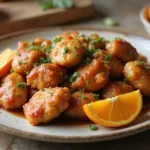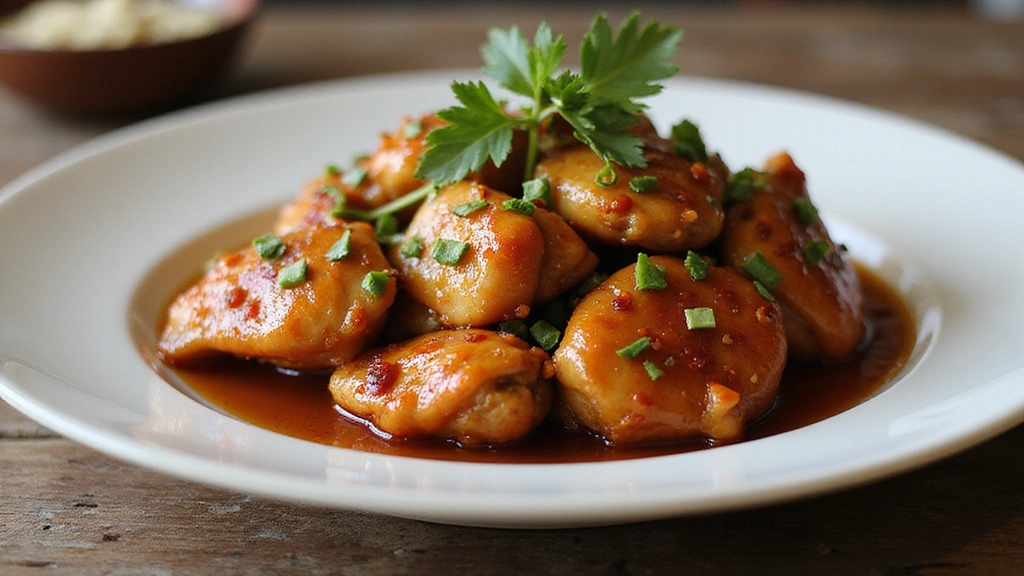
Chinese Honey Chicken is a delightful dish that marries sweetness with savory flavors, making it a favorite among both kids and adults.
The crispy chicken coated in a luscious honey sauce creates an irresistible combination that is hard to resist.
I first encountered this dish at a bustling Chinese restaurant, where the aroma captured my senses and the taste left a lasting impression.
Whether it’s a weeknight dinner or a special occasion, this easy and irresistible recipe will surely impress your family and friends.
The History and Cultural Significance
• Chinese Honey Chicken Recipe Easy And Irresistible traces its origins to Chinese-American cuisine, where it was popularized in the mid-20th century.
• The dish evolved over decades as chefs incorporated local ingredients and flavors, eventually becoming a staple in many Chinese restaurants across the West.
• In Chinese culture, honey symbolizes sweetness and harmony, making this dish a popular choice for celebrations and family gatherings.
• While many variations exist across different regions, the authentic version maintains a balance of sweetness and savory elements that sets it apart from imitations.
Recipe Overview
Nutritional Information (per serving)
Ingredients
Essential Equipment Guide
Wok: A wok is essential for achieving the high heat necessary for stir-frying, which gives the chicken its crisp texture. Look for a carbon steel wok for authentic results, as it retains heat well and develops a natural non-stick surface over time.
Mixing Bowls: High-quality mixing bowls are important for combining ingredients and marinating the chicken. Opt for glass or stainless steel bowls, which are durable and easy to clean.
Deep Fry Thermometer: A deep fry thermometer ensures you maintain the right oil temperature for frying the chicken. This helps achieve that perfect golden-brown color and crispy texture, preventing the chicken from becoming greasy.
Preparation Methods
Coating Technique: Properly coating the chicken in cornstarch is crucial for achieving a crisp texture. Make sure each piece is evenly coated and shake off any excess cornstarch to prevent clumping.
Stir-Frying: Stir-frying over high heat allows the chicken to cook quickly while retaining moisture. Use a spatula to keep the chicken moving in the wok, ensuring even cooking and browning.
Sauce Incorporation: Adding the sauce to the chicken at the right moment is key to achieving the perfect glaze. Wait until the chicken is nearly cooked through before adding the sauce, allowing it to caramelize slightly and stick to the chicken.
Step 1: Prepare the Chicken
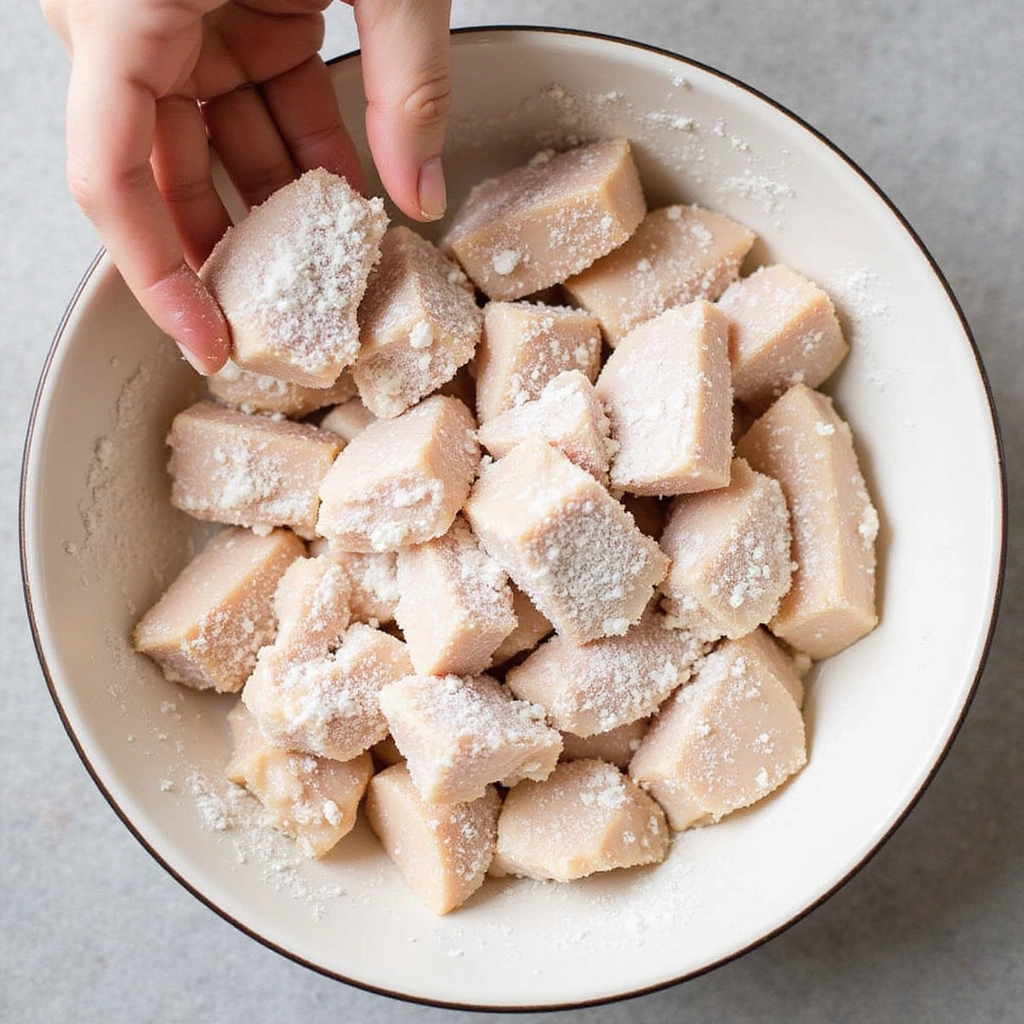
Begin by cutting the chicken thighs into bite-sized pieces.
Place the chicken in a mixing bowl and sprinkle with cornstarch.
Toss the chicken until fully coated, ensuring there are no clumps.
Set the coated chicken aside while you prepare the oil for frying.
Step 2: Heat the Oil
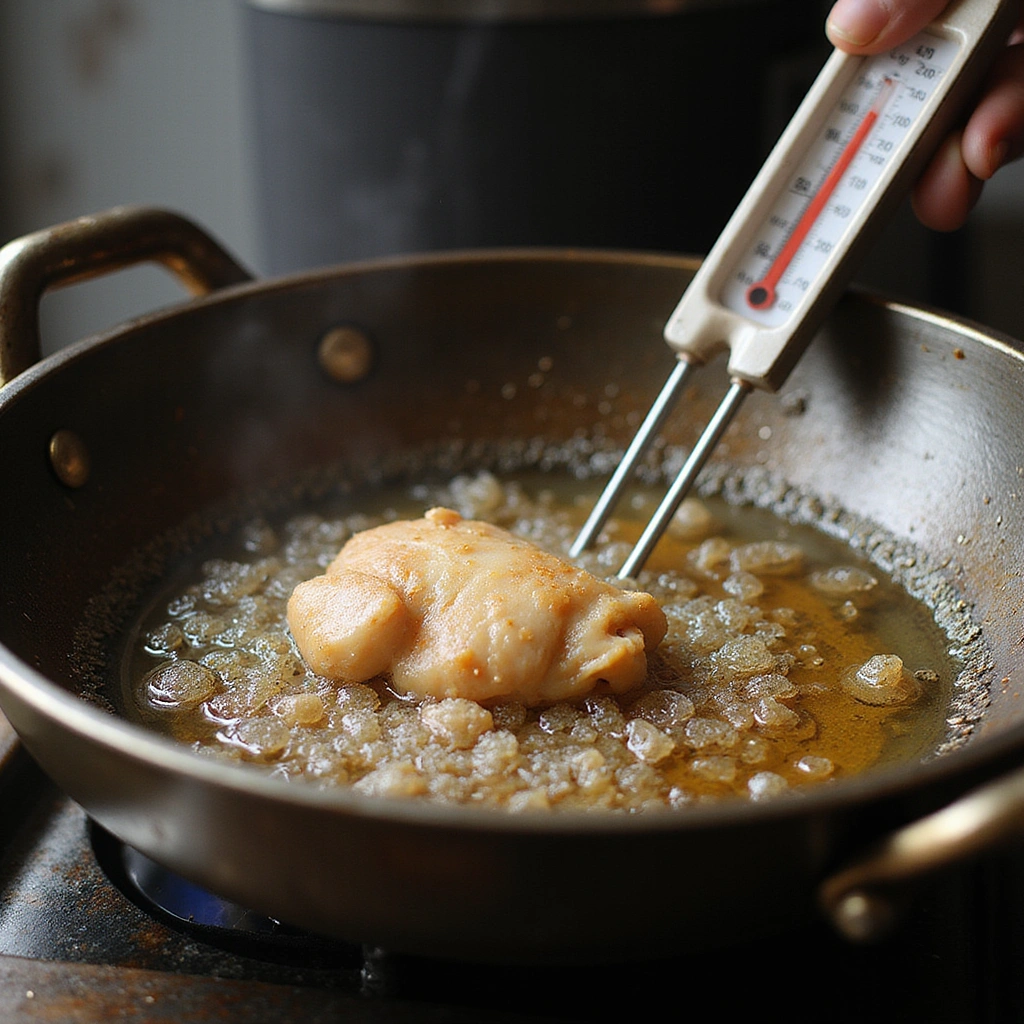
In a wok or deep frying pan, heat the vegetable oil over medium-high heat.
Use a deep-fry thermometer to monitor the oil temperature, aiming for around 350°F (175°C).
Make sure the oil is hot enough before adding the chicken to prevent it from becoming greasy.
You can test the oil by dropping a small piece of chicken; it should sizzle upon contact.
Step 3: Fry the Chicken
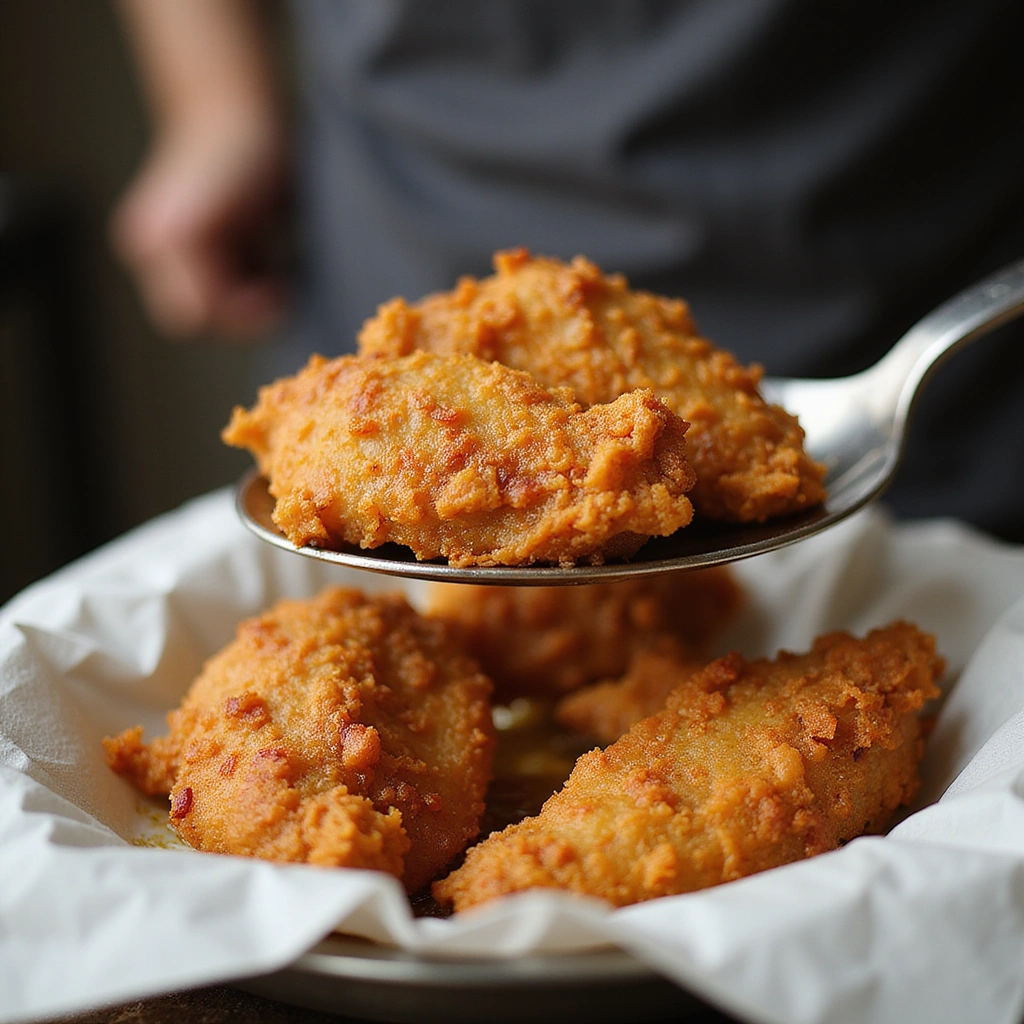
Carefully add the coated chicken pieces to the hot oil in batches, avoiding overcrowding the pan.
Fry the chicken for about 5-7 minutes, turning occasionally until golden brown and cooked through.
Use a slotted spoon to remove the chicken and drain on paper towels.
Ensure the chicken is crispy on the outside and juicy on the inside.
Step 4: Prepare the Sauce
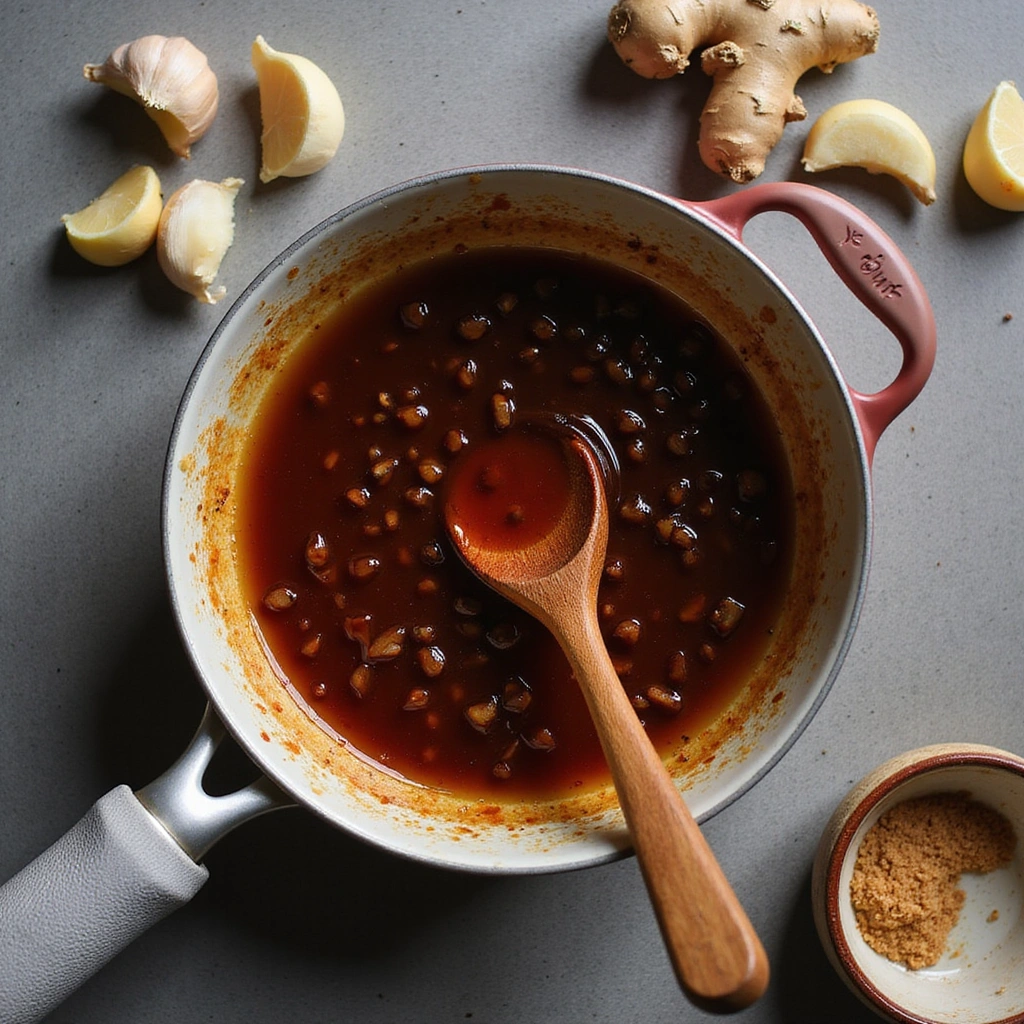
In a separate saucepan, combine honey, soy sauce, minced garlic, and grated ginger over medium heat.
Stir the mixture until it simmers gently, allowing the flavors to meld together.
Keep an eye on the sauce to prevent it from boiling over.
This sauce will provide a sweet and savory glaze for the chicken.
Step 5: Combine Chicken and Sauce
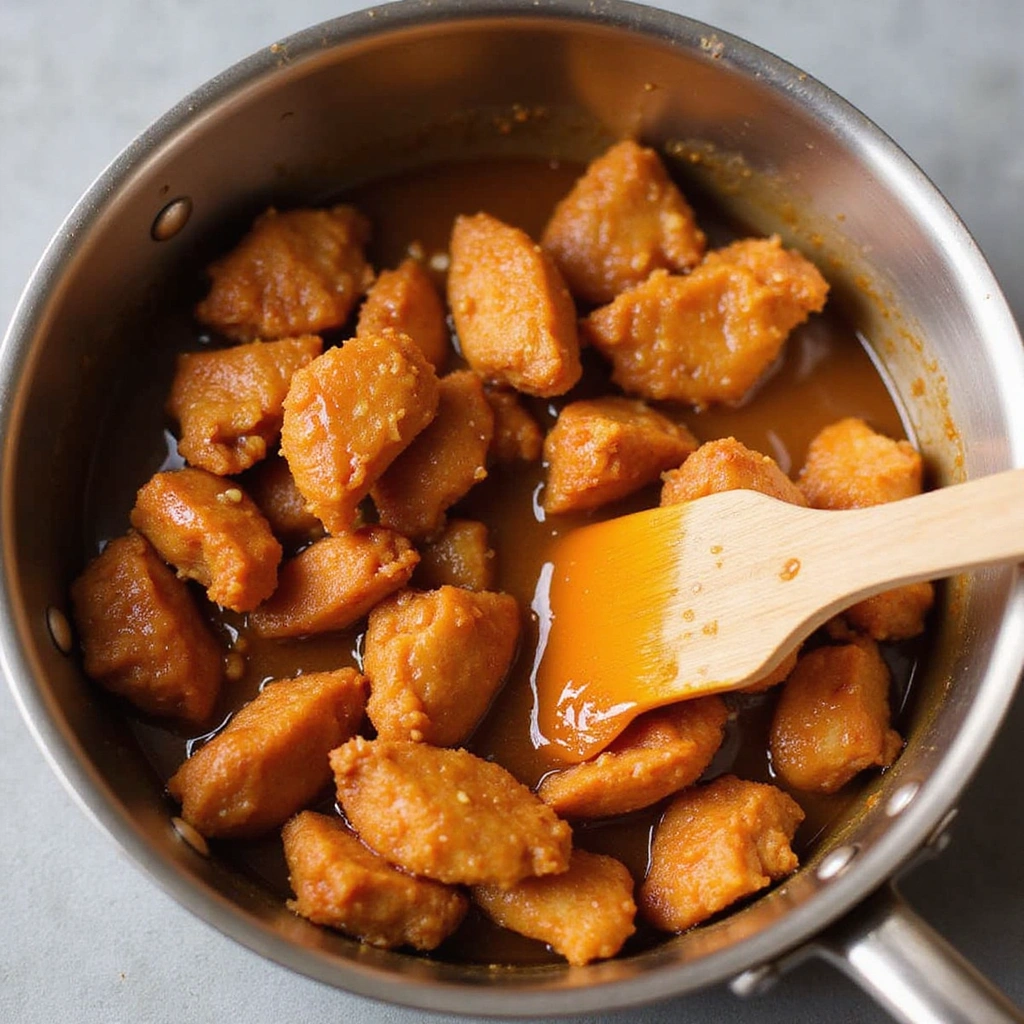
Once the chicken is fried, add it directly to the saucepan with the simmering sauce.
Toss the chicken in the sauce until it is evenly coated and glossy.
Cook for an additional minute to let the flavors soak into the chicken.
This step is critical for ensuring every bite is flavorful.
Step 6: Serve the Dish
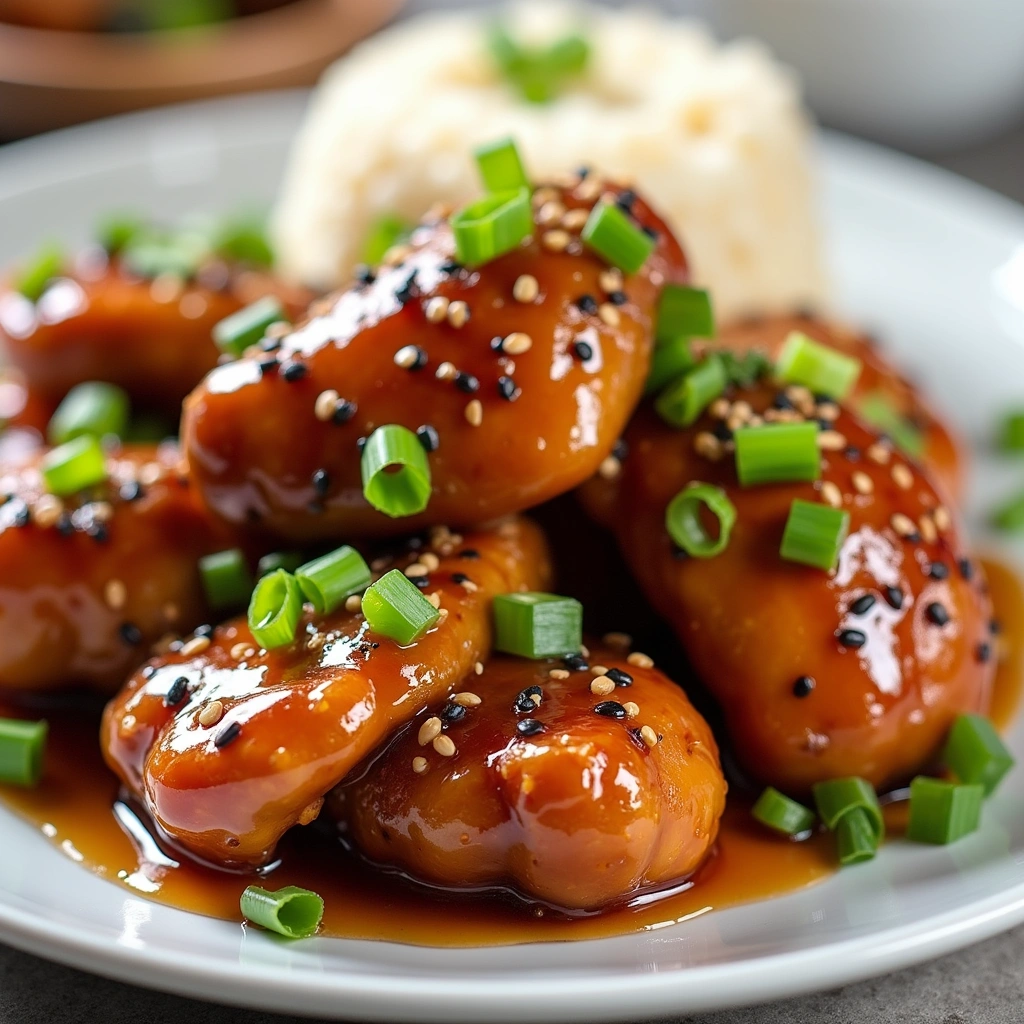
Transfer the honey chicken to a serving platter, arranging it neatly for presentation.
Sprinkle toasted sesame seeds and sliced green onions on top for garnish.
Serve immediately while hot, with steamed rice or stir-fried vegetables.
This dish is best enjoyed fresh to savor its crispy texture.
Critical Timing and Temperature Guide
Frying Chicken: Fry chicken pieces for 5-7 minutes, until golden brown and crispy. Look for a golden color and internal temperature of 165°F. Avoid overcrowding the pan, which can lower the oil temperature, leading to sogginess.
Simmering Sauce: Simmer the sauce for 3-5 minutes, just until it thickens slightly. A good indicator is when it coats the back of a spoon. Overcooking can lead to a burnt flavor, so keep a close watch.
Serving Temperature: Serve honey chicken immediately at a temperature above 140°F to ensure the best texture and flavor. Letting it sit too long can make it soggy.
Pro Tips for Chinese Honey Chicken Recipe Easy And Irresistible
• Ingredient Selection: Use high-quality honey for a richer flavor, as it significantly enhances the dish.
• Preparation Secret: Marinating chicken in a bit of soy sauce for 30 minutes before coating can add depth to the flavor.
• Temperature Management: Ensure your oil is at the right temperature before frying to achieve a crisp texture without extra grease.
• Texture Enhancement: Double fry the chicken for an extra crispy layer—fry once, let it rest, and fry again for 2-3 minutes.
• Flavor Layering: Add a touch of sesame oil to the sauce for a deeper flavor profile.
• Make-Ahead Strategies: Prepare the sauce ahead of time and store it in the refrigerator for up to a week to save time.
• Restaurant-Quality Finishing Touches: Serve with a drizzle of fresh honey on top just before presenting for a gourmet touch.
• Equipment Optimization: If you don’t have a wok, a large, heavy-bottomed skillet works well for frying.
Troubleshooting Common Issues
• Chicken Soggy: This often occurs if the oil isn’t hot enough when frying. Ensure the oil temperature is at least 350°F before adding chicken.
• Sauce Too Thick: If the sauce thickens too much, add a splash of water or chicken broth to loosen it.
• Overly Sweet: Balance excessive sweetness by adding a splash of rice vinegar to the sauce to cut through the sugar.
• Chicken Not Crispy: Avoid overcrowding the pan when frying, which can lower the oil temperature and lead to soggy chicken.
• Flavors Unbalanced: Adjust the seasoning by adding a pinch of salt or a dash of soy sauce to enhance the overall flavor.
Variations and Regional Differences
• General Tso’s Chicken: This popular variation features a spicier sauce with chili peppers and is often served with broccoli, showcasing different regional flavors.
• Hunan Chicken: In this version, the honey sauce is replaced with a fiery sauce made from fermented black beans, delivering a heat level typical of Hunan cuisine.
• Sweet and Sour Chicken: A classic take that combines both sweet and tangy flavors, often served with bell peppers and pineapple.
• Modern Interpretations: Some chefs are now incorporating healthier elements like baked chicken or using agave syrup instead of honey for a lower-calorie option.
Food Science Behind the Recipe
• Maillard Reaction: This chemical reaction between amino acids and reducing sugars gives the chicken its beautiful golden-brown color and complex flavors during frying.
• Caramelization: The honey in the sauce undergoes caramelization, enhancing its sweetness and imparting a rich flavor that coats the chicken.
• Emulsification: Combining the honey and soy sauce creates an emulsion that helps evenly distribute flavors and creates a glossy finish on the chicken.
Frequently Asked Questions
What’s the most common mistake people make when preparing Chinese Honey Chicken? The most common mistake is frying at too low a temperature, which results in greasy chicken instead of crisp.
Can I prepare components of this dish in advance? Yes, you can prepare the sauce in advance and store it in the refrigerator for up to a week.
How do I adapt this recipe for dietary restrictions? For gluten-free options, use tamari instead of soy sauce and ensure your honey is pure.
What’s the best way to store and reheat leftovers? Store in an airtight container in the refrigerator for up to 3 days and reheat in the oven to maintain crispiness.
Can I freeze this dish? Yes, you can freeze the cooked chicken in a freezer-safe container for up to 3 months; thaw and reheat in the oven.
What wine or beverages pair best with this dish? Light-bodied wines like Riesling or a refreshing iced green tea complement the sweetness of the honey chicken well.
How can I scale this recipe up for a crowd? Increase the ingredients proportionally, but fry the chicken in batches to maintain quality.
What side dishes complement this recipe best? Steamed jasmine rice or a fresh cucumber salad balance the rich flavors of the honey chicken.
How do professional chefs elevate this dish for restaurant service? They often add a finishing touch of fresh herbs or microgreens for color and serve it with artisanal rice or unique garnishes.
Serving and Presentation Guide
• Traditional Presentation: Serve the chicken on a large, round platter with a bed of steamed rice, garnished with green onions and sesame seeds.
• Modern Plating Ideas: For a contemporary twist, use a rectangular plate, stacking the chicken and drizzling sauce artistically around it.
• Accompaniment Suggestions: Pair with steamed bok choy or a light stir-fried vegetable medley for a balanced meal.
• Special Occasion Presentation: Create a themed table setting with bamboo placemats and chopsticks to enhance the dining experience.
Conclusion
Chinese Honey Chicken is not only easy to make but also a dish that brings joy and satisfaction to any dining table.
I encourage you to try this recipe and experience the delightful blend of flavors yourself.
With just a few simple ingredients and steps, you can create a restaurant-quality meal at home.