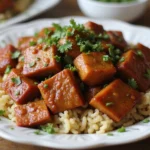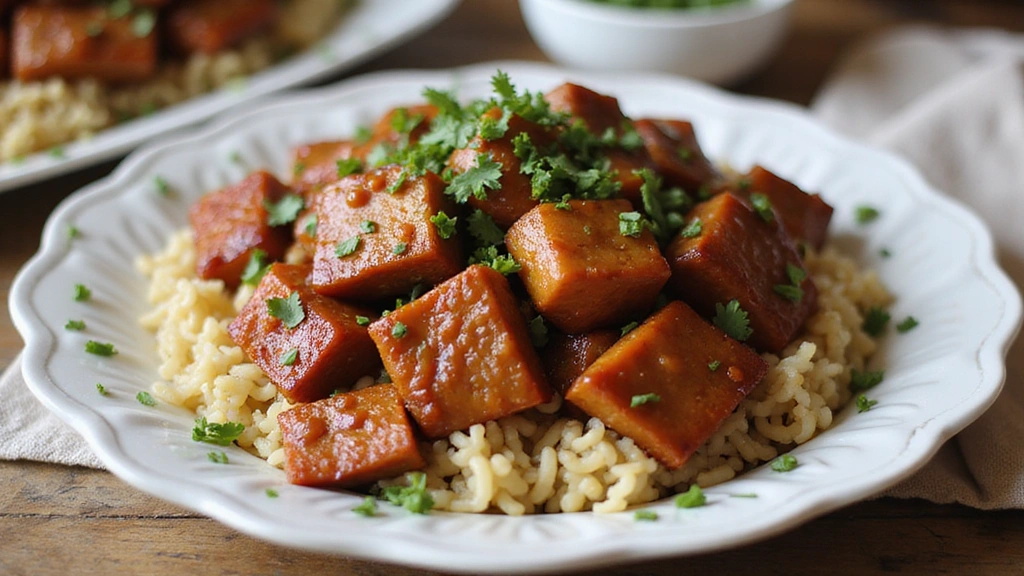
This classic Chinese Pork Slow Cooker recipe brings together centuries of culinary tradition with modern techniques to create a dish that’s both comforting and elegant.
The harmonious balance of savory, sweet, and umami flavors creates a memorable dining experience that will have everyone asking for your secret.
I discovered this recipe during my travels through southern China, where local chefs have perfected it through generations of careful refinement.
Whether you’re preparing a casual family dinner or hosting a special celebration, this Chinese Pork dish delivers impressive results with straightforward preparation.
The History and Cultural Significance
• Chinese Pork Slow Cooker Recipes Tender and Comforting traces its origins to the Guangdong province, where it was originally created as a way to tenderize tougher cuts of meat.
• The dish evolved over decades as techniques like slow cooking were embraced, eventually becoming the beloved version we know today.
• In Chinese culture, this dish traditionally appears at family gatherings and festivals, symbolizing prosperity and harmony.
• While many variations exist across different regions, the authentic version maintains a rich and tender texture that sets it apart from imitations.


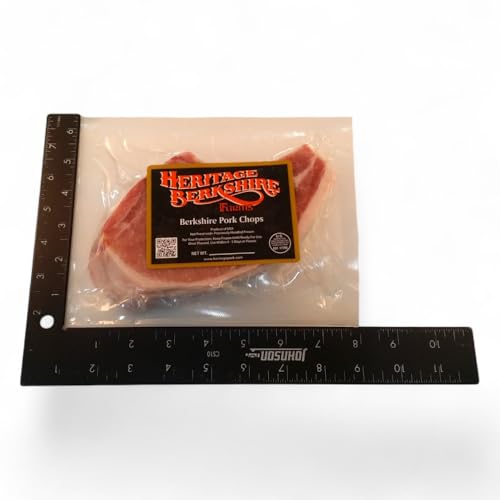
Recipe Overview
Nutritional Information (per serving)





Ingredients



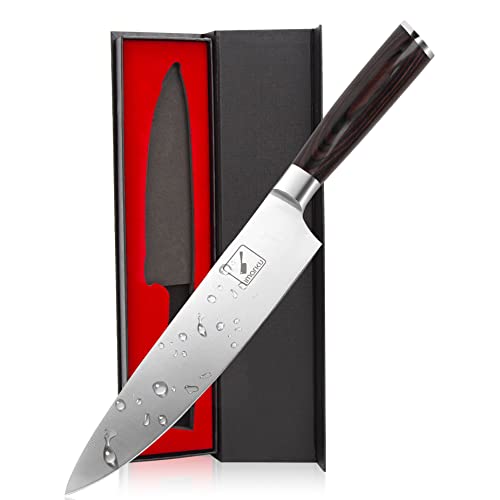
Essential Equipment Guide
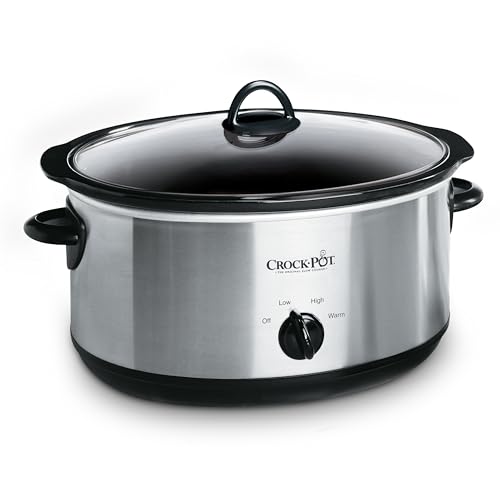
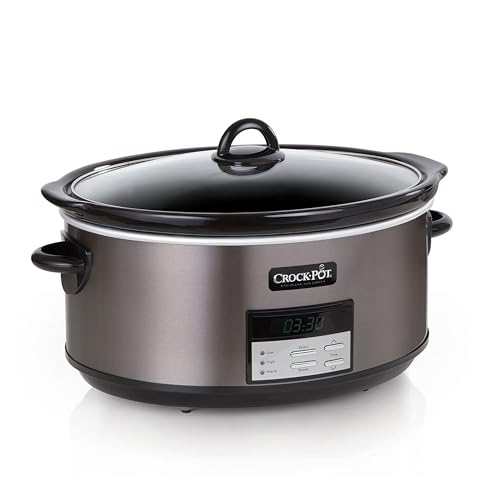
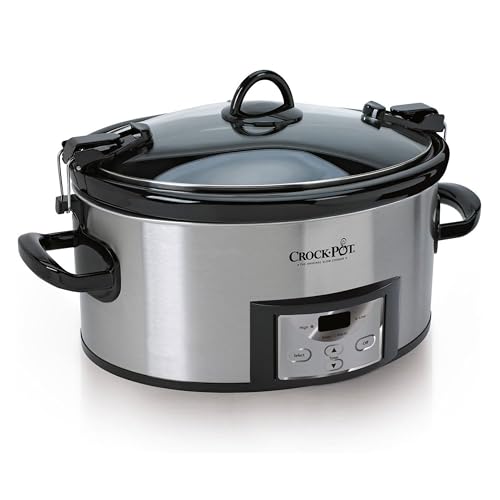
Slow Cooker: A good slow cooker is essential for this recipe, as it allows the pork to cook slowly and evenly, resulting in tender meat. Look for one with a programmable timer and a removable insert for easy cleaning.
Meat Thermometer: This tool helps ensure your pork reaches the perfect internal temperature for safety and texture. An instant-read thermometer is ideal for quick checks during cooking.
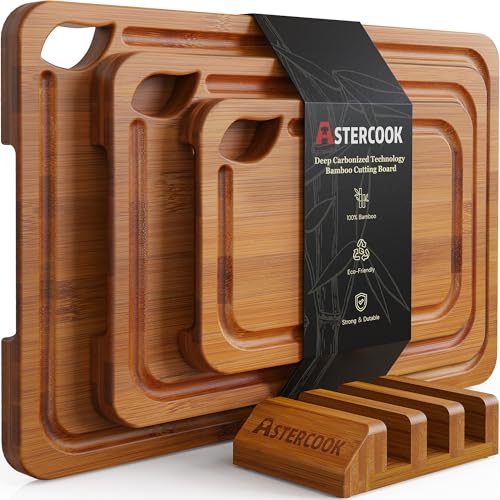
Cutting Board: A sturdy cutting board is important for preparing your ingredients safely. Choose a non-slip board to keep everything stable while chopping.




Preparation Methods
Browning the Meat: Browning the pork before slow cooking is crucial for flavor development. This caramelization creates a deeper taste profile that enhances the final dish. Use a hot skillet with oil and sear each piece until golden brown on all sides.
Marinating: Allowing the pork to marinate is important for infusing flavors into the meat. Combining soy sauce, honey, and spices and letting the pork sit for at least an hour (or overnight) significantly enhances the taste. Ensure the meat is well-coated for optimal absorption.
Layering Ingredients: Proper layering in the slow cooker ensures even cooking. Start with the vegetables at the bottom, followed by the marinated pork, and pour any remaining marinade over the top. This technique promotes even heat distribution.




Step 1: Prepare the Pork
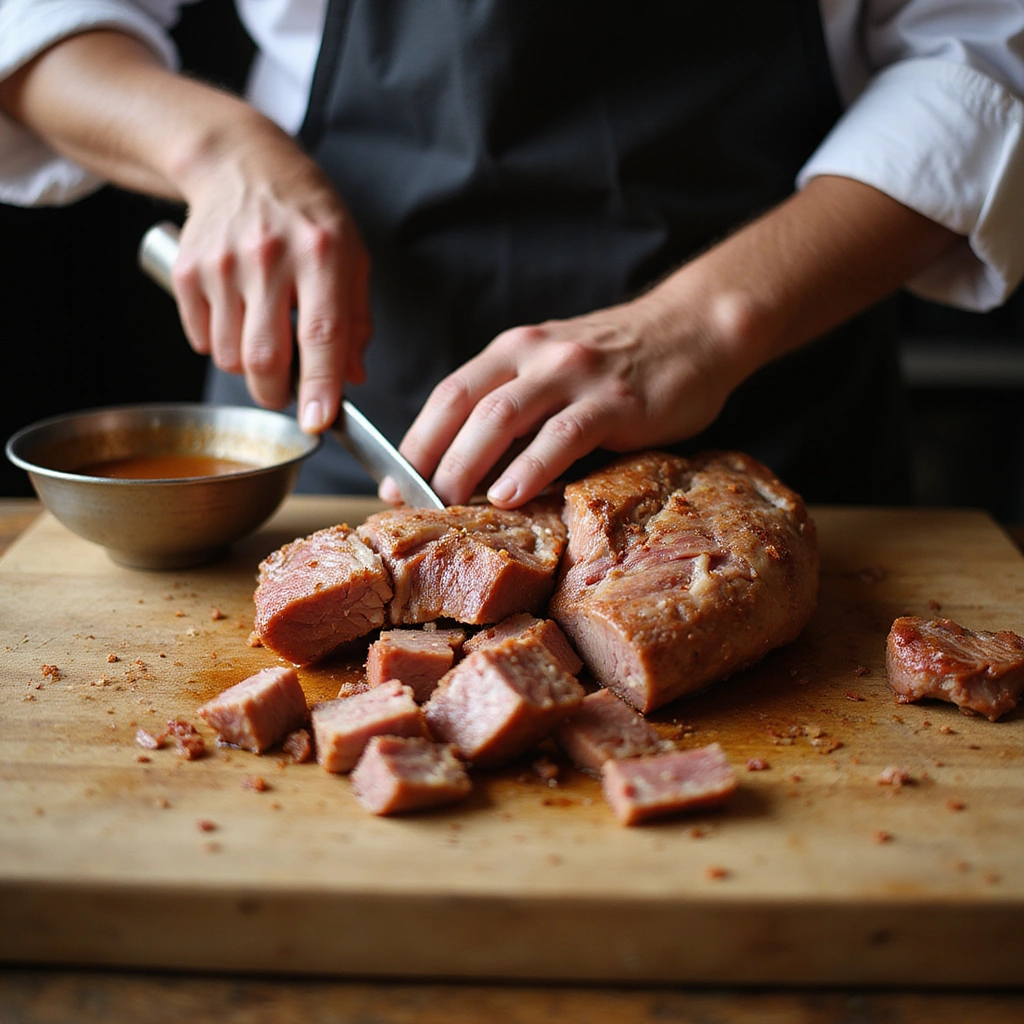
Begin by cutting the pork shoulder into large chunks.
This size allows for even cooking and tenderness.
Trim any excess fat to reduce greasiness.
Place the pork in a bowl and set aside for marinating later.





Step 2: Make the Marinade
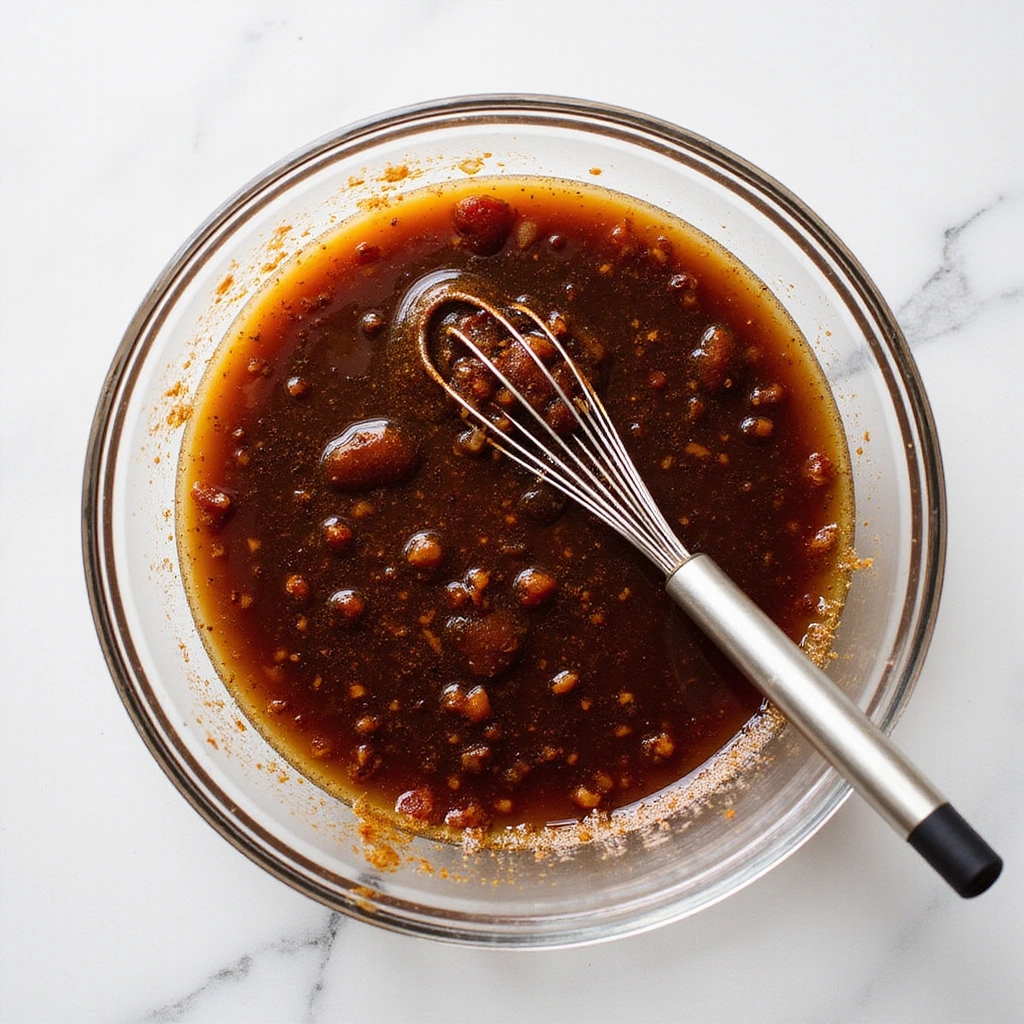
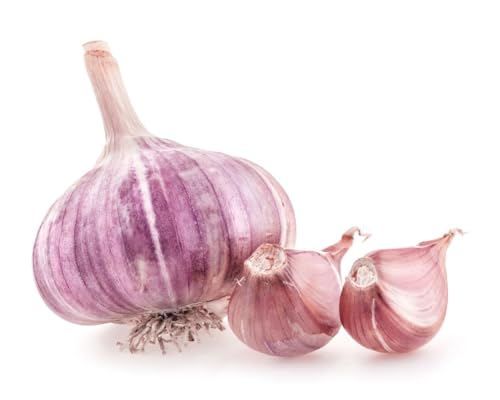
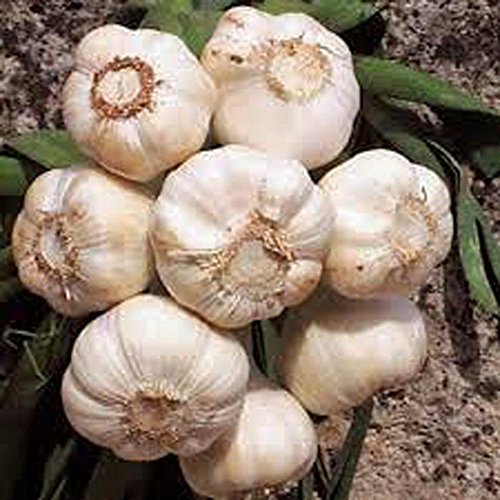
In a mixing bowl, combine soy sauce, honey, rice vinegar, ginger, and garlic.
Whisk until the ingredients are well blended.
Taste the mixture and adjust sweetness or saltiness as needed.
This marinade will infuse the pork with flavor during cooking.



Step 3: Marinate the Pork
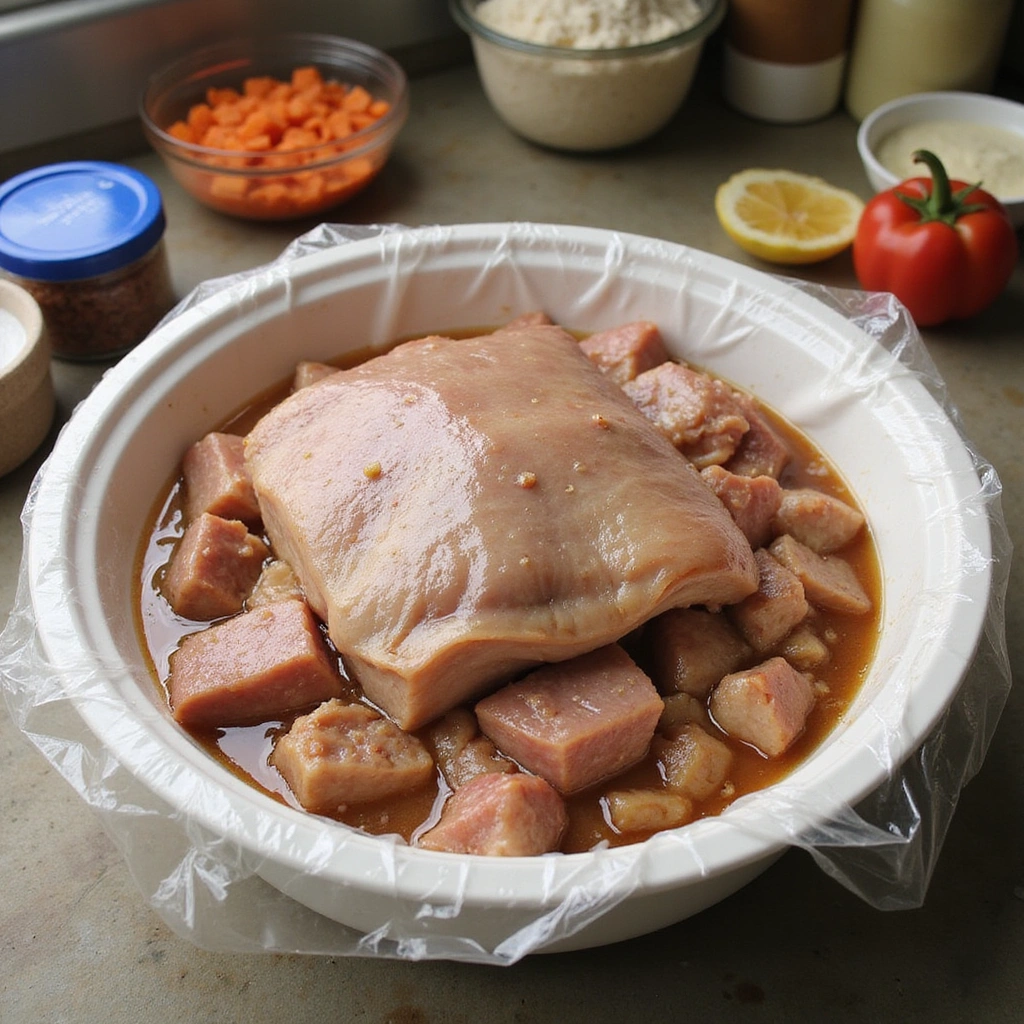
Pour the marinade over the pork chunks in a bowl.
Make sure every piece is well-coated for maximum flavor absorption.
Cover the bowl with plastic wrap and let it marinate in the refrigerator for at least 1 hour or overnight for best results.
This step is crucial for developing the dish’s flavor profile.
Step 4: Brown the Pork
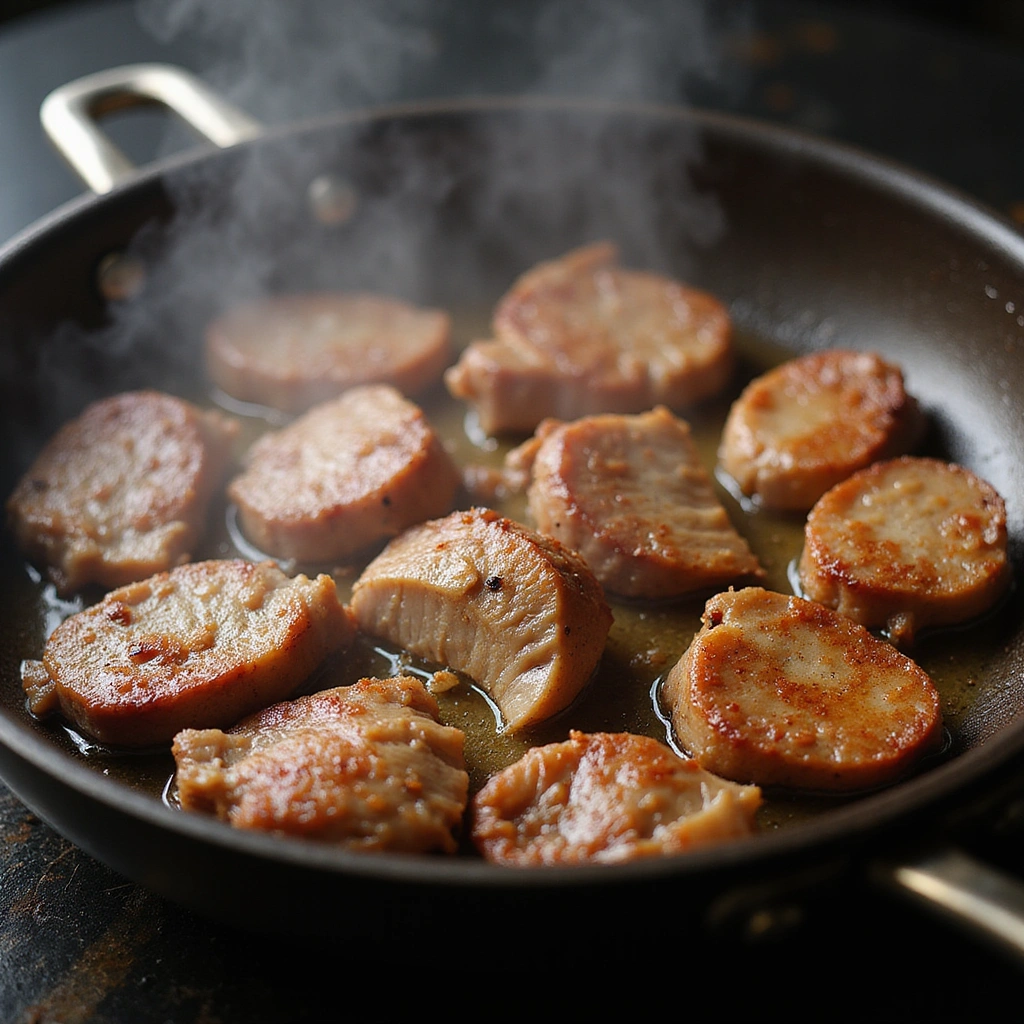
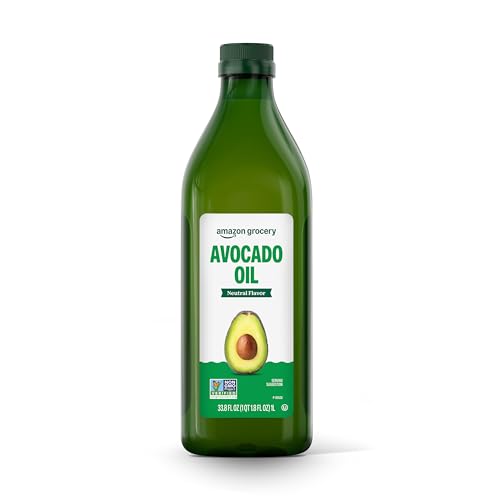
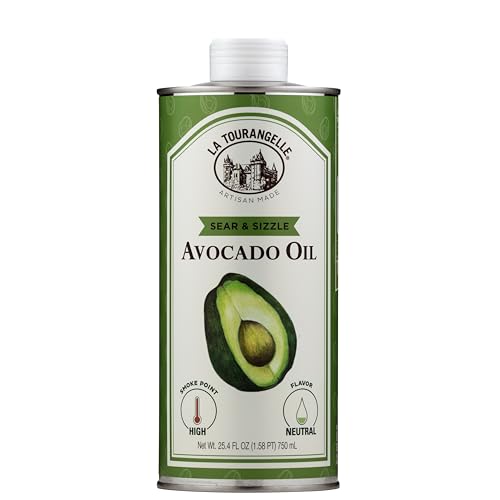
Heat vegetable oil in a large skillet over medium-high heat.
Once hot, add the marinated pork chunks, searing them until golden brown on all sides.
This step enhances the flavor through caramelization.
Remove the pork from the skillet and set aside.




Step 5: Prepare Vegetables
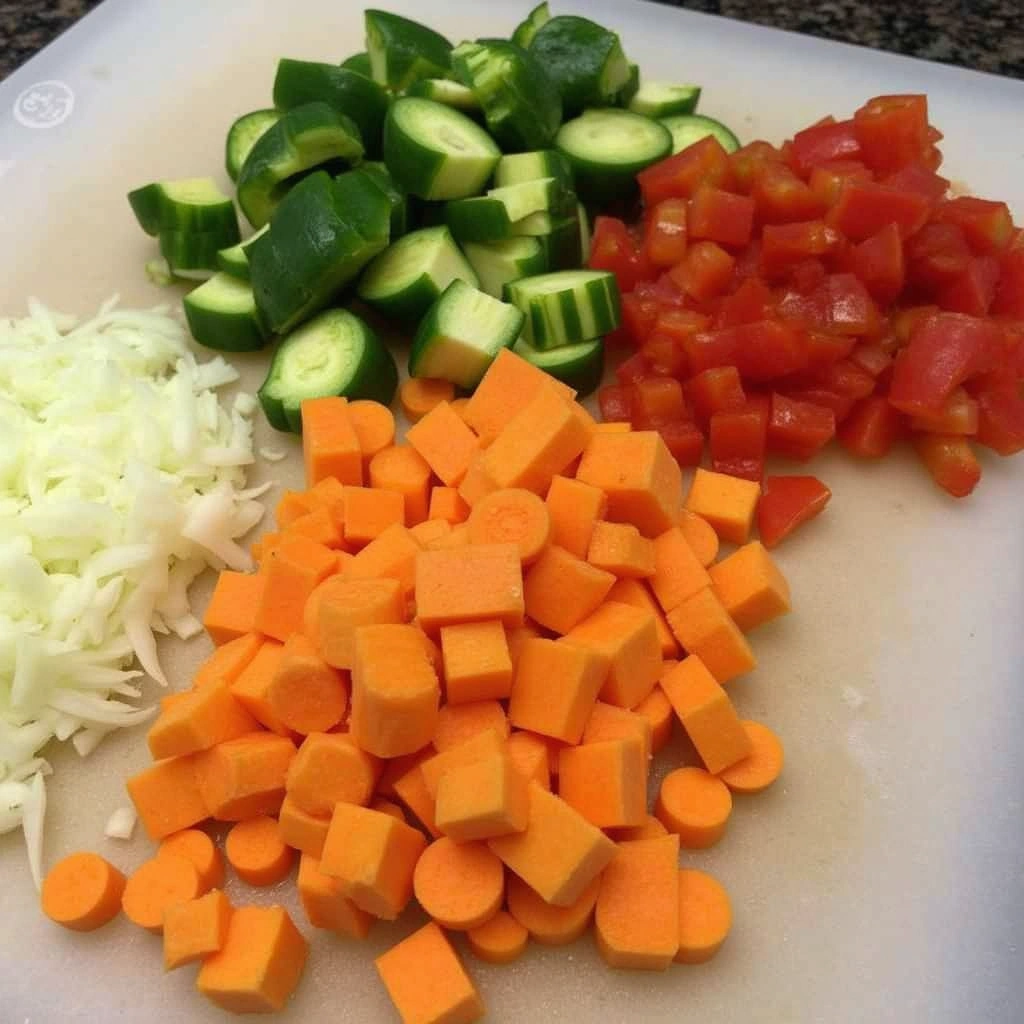
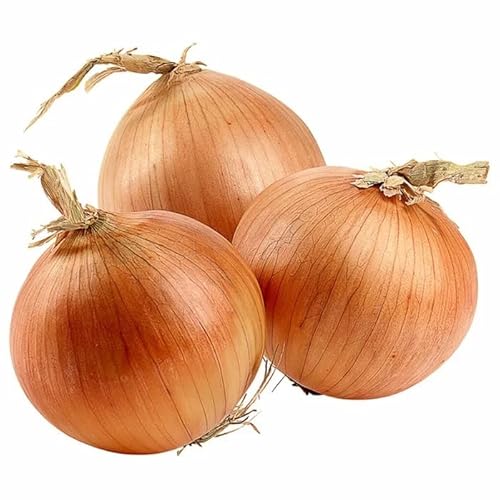
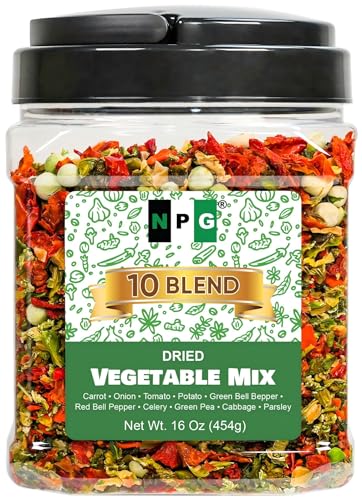
While the pork is browning, chop the carrots, onion, and bell pepper into bite-sized pieces.
Uniform sizes ensure even cooking and a pleasant texture.
Place the chopped vegetables in the bottom of the slow cooker.
This layer will help flavor the pork as it cooks.



Step 6: Layer the Ingredients in the Slow Cooker
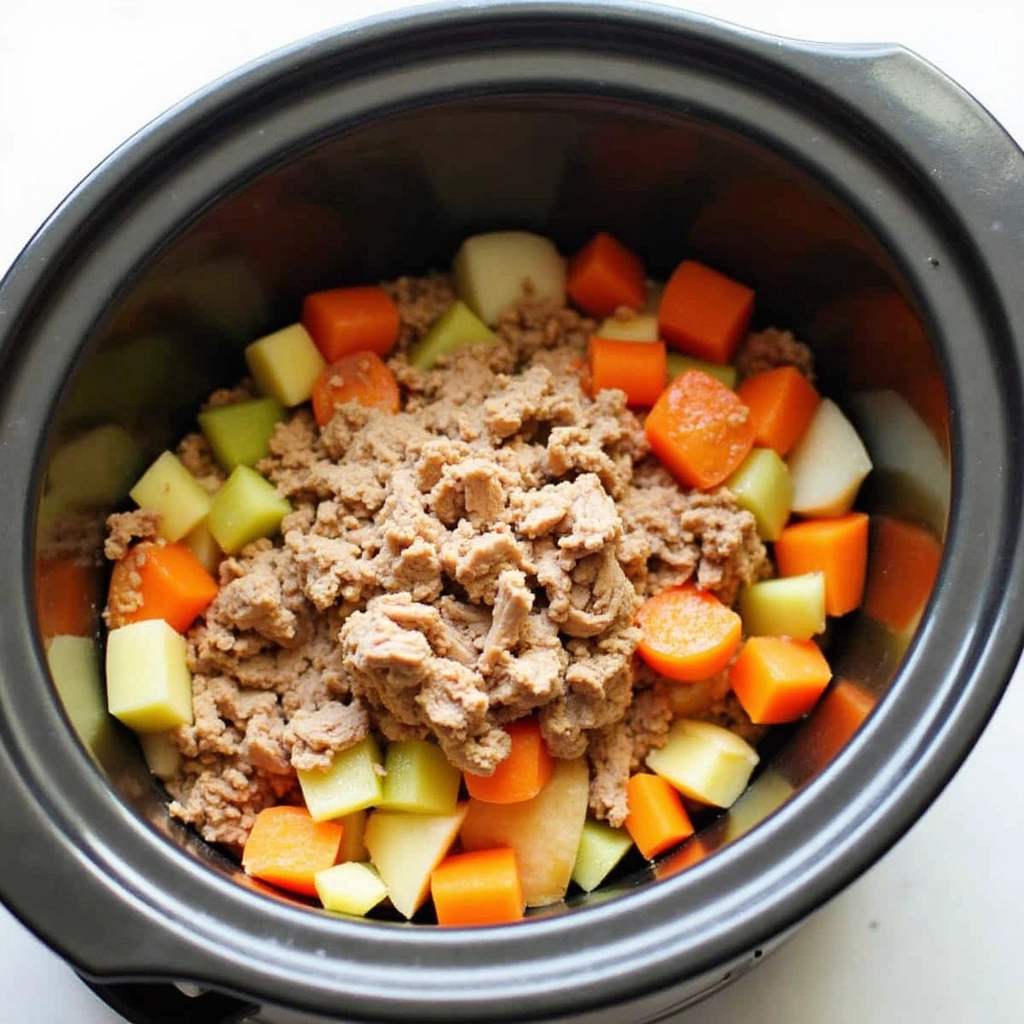
Place the browned pork on top of the layer of vegetables in the slow cooker.
Pour any remaining marinade over the pork to enhance flavor.
This layering method promotes even cooking and distribution of flavors.
Cover the slow cooker with its lid tightly.
Step 7: Set the Slow Cooker
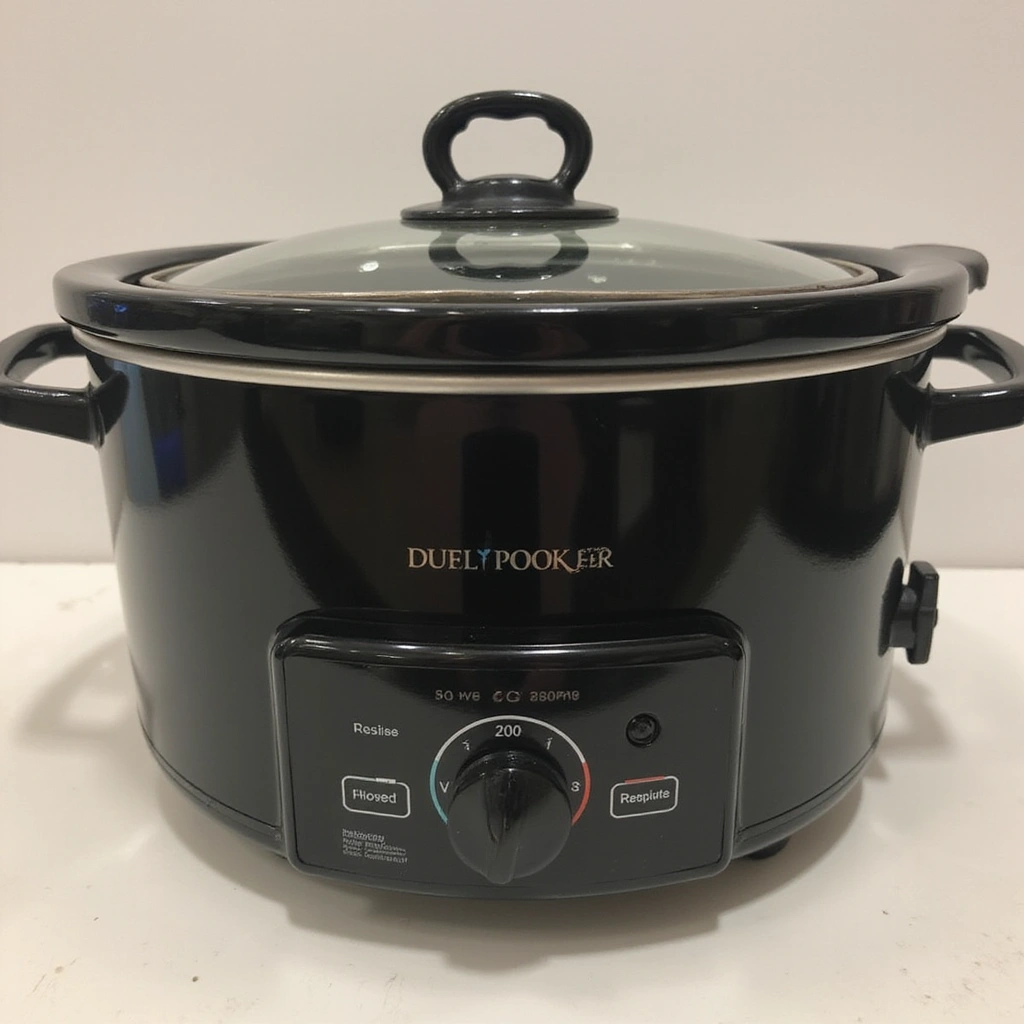
Set the slow cooker to low heat and cook for 8 hours.
This long cooking time allows the pork to become tender and the flavors to meld beautifully.
Avoid lifting the lid during cooking, as this can release heat and prolong cooking time.
Check for doneness towards the end of the cooking period.
Step 8: Check for Doneness
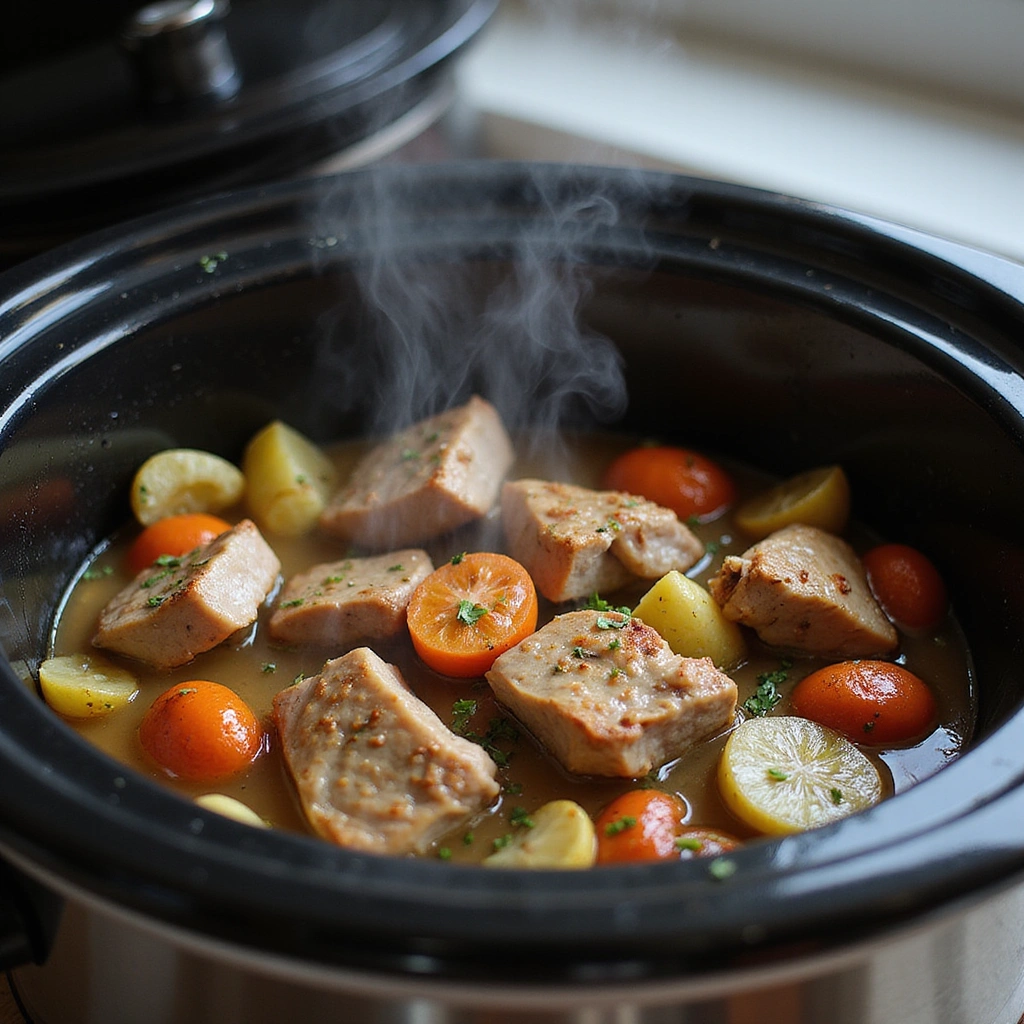
After 8 hours, carefully lift the lid and check the pork for tenderness.
It should easily shred with a fork when properly cooked.
If it’s not tender enough, cover and continue cooking for an additional 30 minutes.
Taste the sauce and adjust seasoning if necessary.
Step 9: Serve the Dish
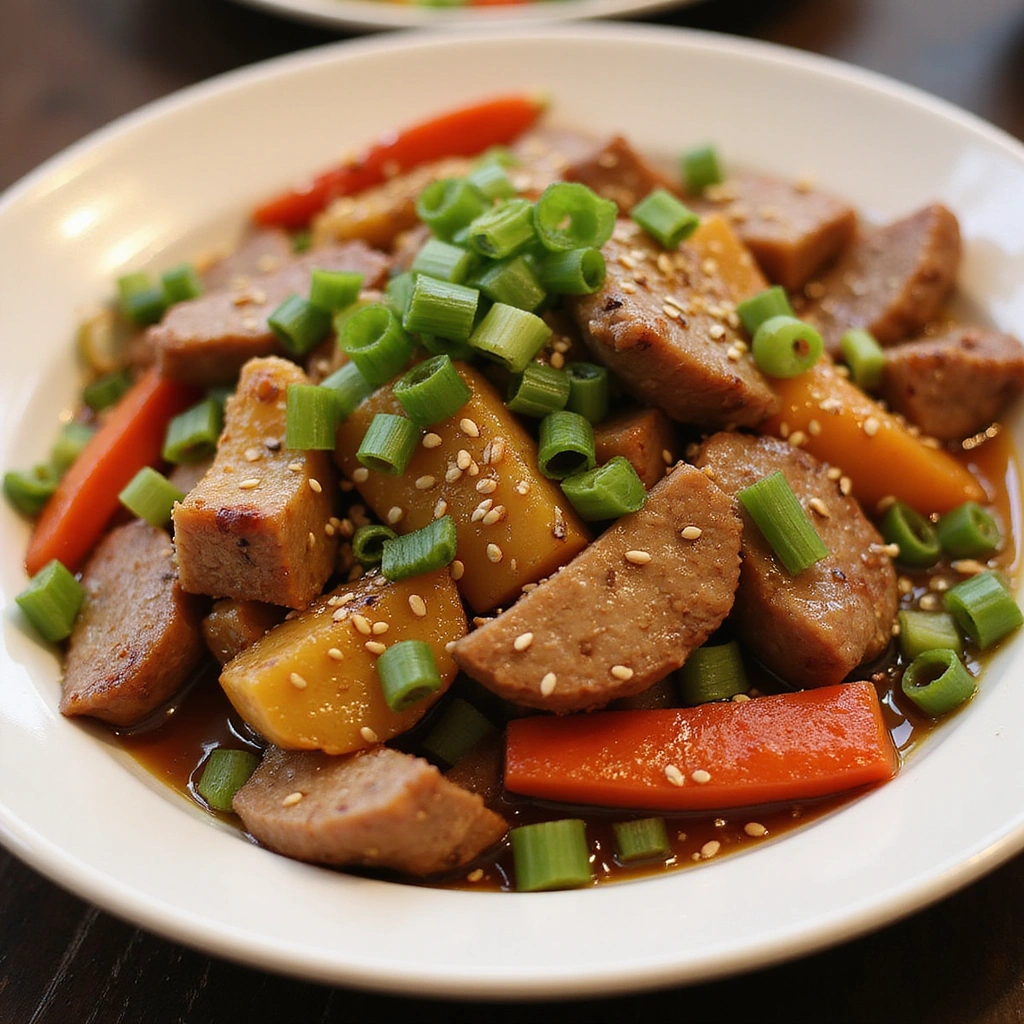
Using tongs or a slotted spoon, transfer the pork and vegetables to a serving platter.
Drizzle some of the cooking liquid over the top for extra flavor.
This enhances the presentation and keeps the dish moist.
Garnish with chopped green onions or sesame seeds if desired.
Critical Timing and Temperature Guide
Slow Cooking Time: Cook on low for 8 hours or on high for 4 hours. The pork should be fork-tender and easily shredded. Common mistakes include cooking too quickly or not enough time, which leads to toughness.
Marinating Time: Ideally, marinate the pork for at least 1 hour, but overnight is best to ensure deep flavor. Not marinating long enough can lead to bland meat.
Serving Temperature: Serve the dish warm, ideally around 140°F to 160°F. Serving too cold can mute flavors, while too hot can affect texture.
Pro Tips for Chinese Pork Slow Cooker Recipes Tender And Comforting
• Ingredient Selection: Choose a high-quality pork shoulder with good marbling for the best results, as fat contributes to tenderness and flavor.
• Preparation Secret: Searing the pork before slow cooking enhances flavor significantly, so don’t skip this step.
• Temperature Management: Ensure all ingredients are at room temperature before cooking for even cooking.
• Texture Enhancement: For the ideal texture, allow the pork to rest for a few minutes after cooking before serving to let juices redistribute.
• Flavor Layering: Add a splash of soy sauce or a sprinkle of five-spice powder just before serving for an extra flavor boost.
• Make-Ahead Strategies: Prepare the marinade and chop vegetables a day in advance, storing them in the refrigerator for easy assembly.
• Restaurant-Quality Finishing Touches: Drizzle with sesame oil right before serving for a fragrant finish.
• Equipment Optimization: Use a slow cooker with a programmable timer to prevent overcooking.
Troubleshooting Common Issues
• Pork Too Tough: This often results from not cooking long enough. Ensure the pork is cooked until fork-tender; if it’s not, continue cooking in 30-minute increments.
• Flavor Too Bland: If the dish lacks flavor, consider adding more marinade to the pork before cooking or adjusting seasonings right before serving.
• Too Greasy: If the dish is oily, trim excess fat from the pork before browning, and skim off some fat from the cooking liquid before serving.
• Overcooked Vegetables: To prevent mushy vegetables, add them halfway through the cooking time if you prefer them firmer.
• Not Enough Sauce: If the sauce is too thick, add a little water or broth to reach the desired consistency.


Variations and Regional Differences
• Hunan Style: This version uses spicy chili sauce and additional garlic for a heat kick, giving it a bold flavor profile.
• Sichuan Style: Incorporates Sichuan peppercorns for a unique numbing spice, along with peanuts for added texture.
• Modern Interpretation: Some recipes swap pork for chicken or tofu to cater to dietary preferences while maintaining the essence of the dish.




Food Science Behind the Recipe
• Gelatinization: The slow cooking process allows collagen in the pork to break down into gelatin, resulting in a rich and silky sauce.
• Maillard Reaction: Browning the pork caramelizes sugars, creating complex flavors that enhance the overall dish.
• Emulsification: Combining the marinade ingredients ensures a uniform flavor that clings to the meat, improving taste consistency.






Frequently Asked Questions
What’s the most common mistake people make when preparing Chinese Pork? The most common mistake is not browning the meat, which leads to a lack of depth in flavor.
Can I prepare components of this dish in advance? Yes, marinate the pork and chop vegetables a day ahead and store them separately in the refrigerator.
How do I adapt this recipe for dietary restrictions? For gluten-free, use tamari instead of soy sauce, and for low-carb, substitute the honey with a low-carb sweetener.
What’s the best way to store and reheat leftovers? Store in an airtight container in the refrigerator for up to 3 days, and reheat in the microwave or on the stove over low heat until warmed through.
Can I freeze this dish? Yes, freeze in an airtight container for up to 3 months. Thaw in the refrigerator overnight before reheating.
What wine or beverages pair best with this dish? A light-bodied red wine like Pinot Noir or a chilled Riesling pairs wonderfully with the flavors of the dish.
How can I scale this recipe up for a crowd? Simply multiply the ingredients proportionately, but ensure your slow cooker can accommodate the larger volume.
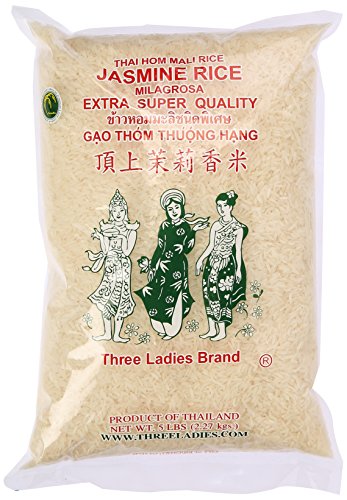
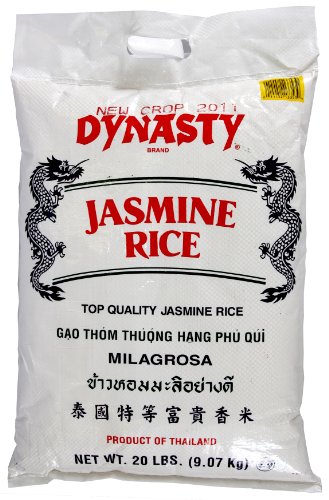
What side dishes complement this recipe best? Steamed jasmine rice or stir-fried greens balance the richness of the pork beautifully.
How do professional chefs elevate this dish for restaurant service? Chefs often use high-quality ingredients, focus on plating techniques, and add garnishes like microgreens or edible flowers.
Serving and Presentation Guide
• Traditional Presentation: Serve the pork in a deep bowl, garnished with chopped scallions and cilantro, to enhance the dish’s aroma and visual appeal.
• Modern Plating Ideas: Use a large white plate, artfully arrange the pork and vegetables, and drizzle sauce artistically around the edges for a contemporary touch.
• Accompaniment Suggestions: Serve with steamed rice or a light salad to contrast the richness of the dish.
• Special Occasion Presentation: For celebrations, consider using a tiered serving dish and add colorful garnishes like pomegranate seeds for a festive look.



Conclusion
This Chinese Pork Slow Cooker recipe is a delightful way to bring comfort and flavor to your dining table.
With its tender meat and rich sauce, it’s sure to become a family favorite.
I encourage you to try your hand at this recipe and experience the joy it brings.