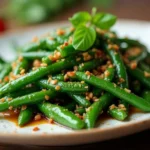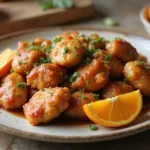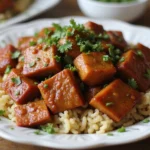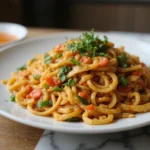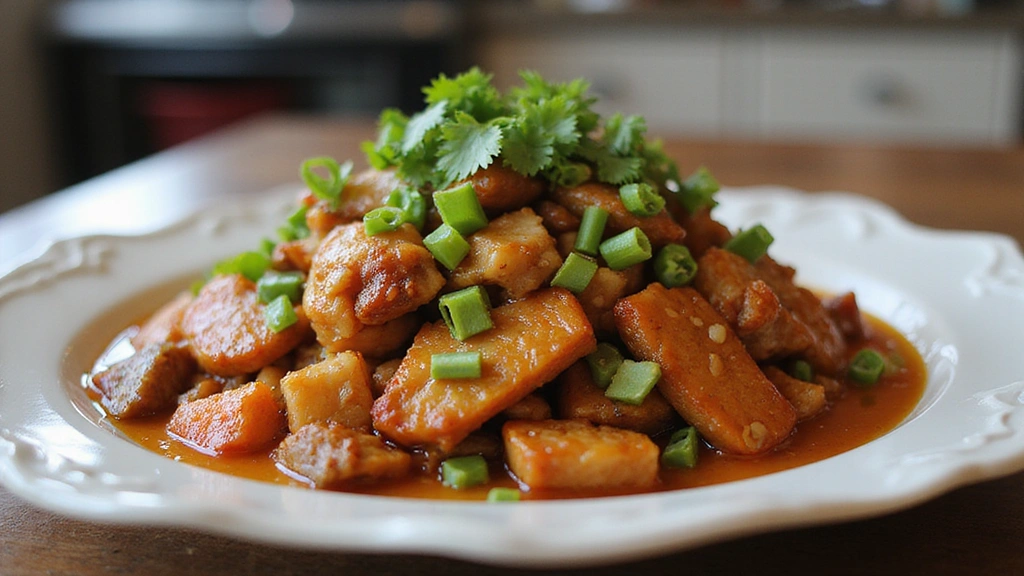
This classic Chinese Pork Stir Fry brings together centuries of culinary tradition with modern techniques to create a dish that’s both comforting and elegant.
The harmonious balance of savory, sweet, and umami flavors creates a memorable dining experience that will have everyone asking for your secret.
I discovered this recipe during my travels through China, where local chefs have perfected it through generations of careful refinement.
Whether you’re preparing a casual family dinner or hosting a special celebration, this stir fry delivers impressive results with straightforward preparation.
The History and Cultural Significance
• Chinese Pork Stir Fry Recipe traces its origins to the southern regions of China, particularly Guangdong, where it was originally created by local chefs who sought to use fresh ingredients and quick cooking methods.
• The dish evolved over decades as stir-frying became popular, eventually becoming the beloved version we know today, characterized by its fast cooking and vibrant flavors.
• In Chinese culture, this dish traditionally appears during family gatherings and celebrations, symbolizing unity and prosperity.
• While many variations exist across different regions, the authentic version maintains a balance of flavors and textures that sets it apart from imitations.
Recipe Overview
Nutritional Information (per serving)


Ingredients





Essential Equipment Guide
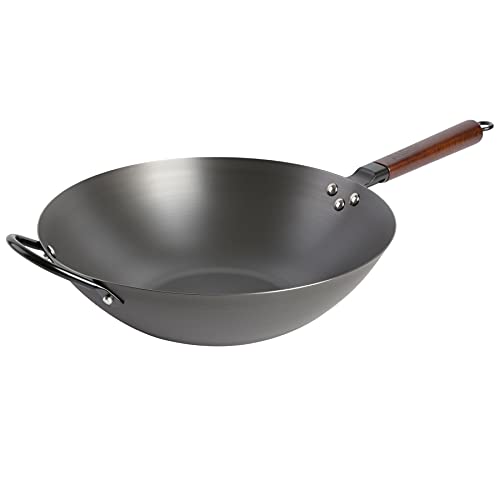
Wok: The wok is crucial for achieving the high heat needed for stir-frying, allowing for quick cooking and a unique smoky flavor known as ‘wok hei.’ A flat-bottomed wok is ideal for use on electric stoves, while a round-bottomed wok is better for gas, providing even heat distribution.
Chef’s Knife: A sharp chef’s knife is essential for efficiently slicing pork and vegetables into uniform pieces, which ensures even cooking. Look for a comfortable grip and a well-balanced weight for optimal control.
Spatula: A sturdy spatula, preferably made of wood or silicone, is important for stirring and flipping ingredients in the wok without scratching its surface. A long handle is also helpful for maneuvering the spatula safely in high heat.



Preparation Methods
Marinating: Marinating the pork in soy sauce and cornstarch for at least 15 minutes helps tenderize the meat and infuse it with flavor. This step is crucial for achieving a juicy texture and enhancing the overall taste of the stir fry.
Stir-Frying: Stir-frying involves cooking food quickly over high heat in a wok. This technique allows ingredients to retain their color, texture, and nutritional value, making it essential for a vibrant and healthy dish.
Velveting: Velveting is a technique that involves coating the pork in cornstarch and letting it sit before cooking. This method helps to create a tender and silky texture, ensuring the meat remains moist during the cooking process.




Step 1: Prepare Ingredients
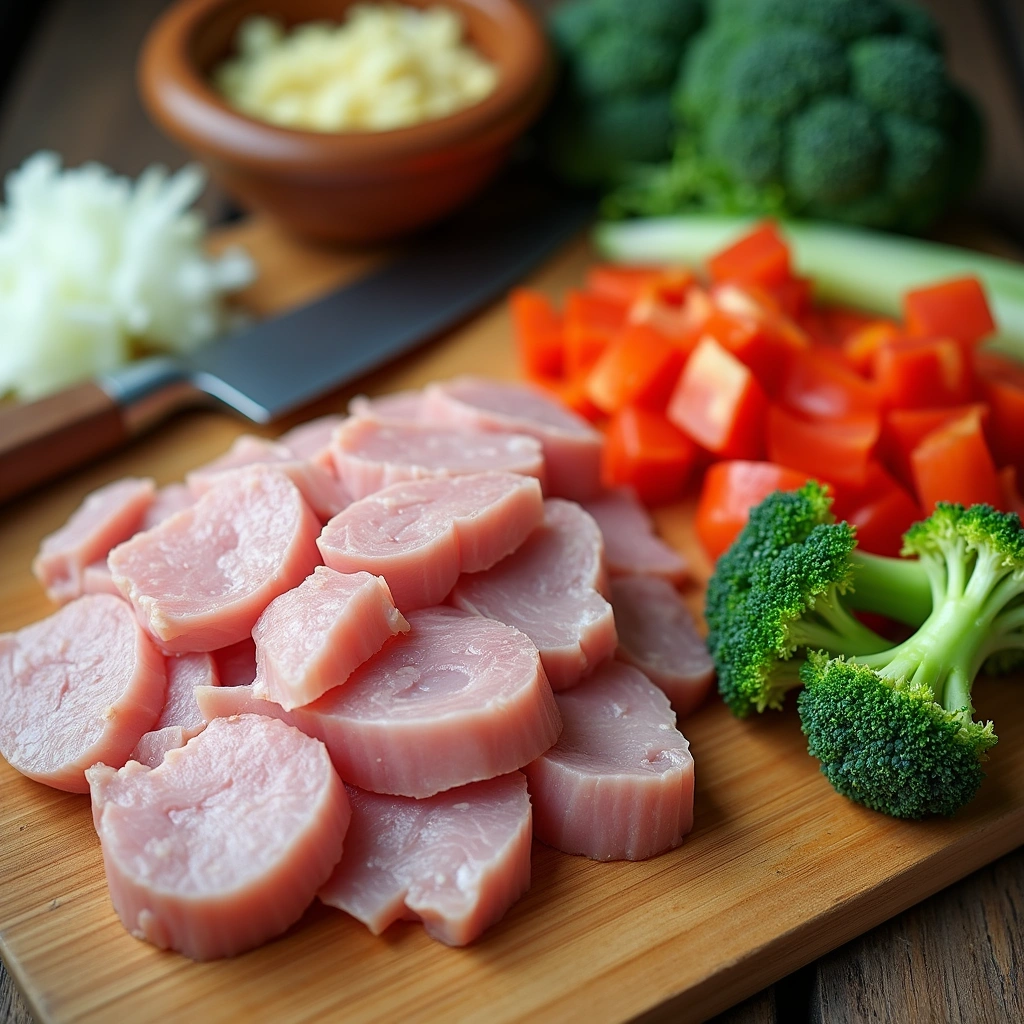
Start by slicing the pork tenderloin thinly across the grain.
Make sure to cut the pieces evenly to ensure they cook uniformly.
Next, wash and chop the vegetables into bite-sized pieces.
Having everything prepped in advance will make the cooking process smooth and quick.
Step 2: Marinate the Pork
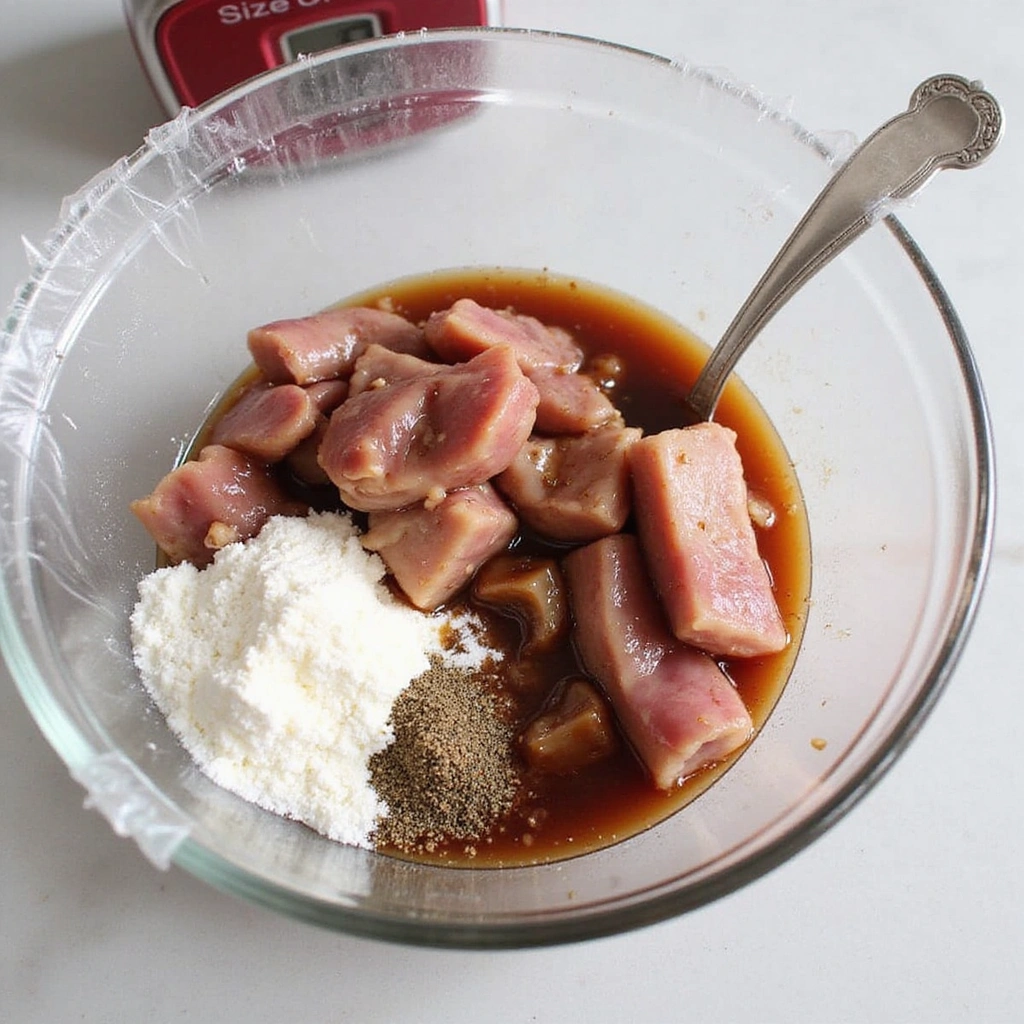
In a bowl, combine the sliced pork with soy sauce, cornstarch, and a dash of pepper.
Mix well and let it marinate for at least 15 minutes to absorb the flavors.
This step is essential for enhancing the pork’s tenderness and taste.
Cover the bowl with plastic wrap to prevent contamination while marinating.
Step 3: Heat the Wok
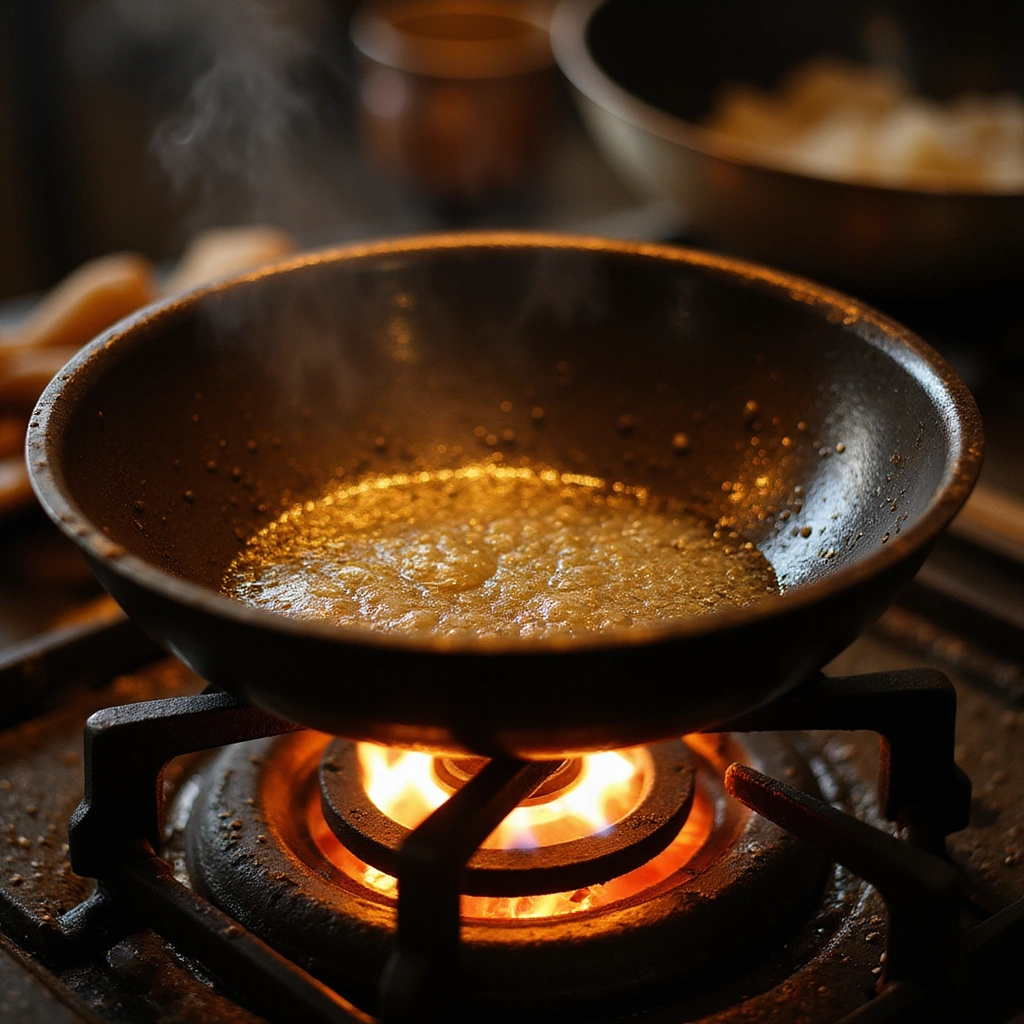
Place your wok over high heat and add vegetable oil.
Allow the oil to heat until it shimmers, which indicates it’s ready for cooking.
This high heat is crucial for achieving that sought-after ‘wok hei’ flavor.
Swirl the oil around the pan to coat the bottom evenly.




Step 4: Cook the Pork
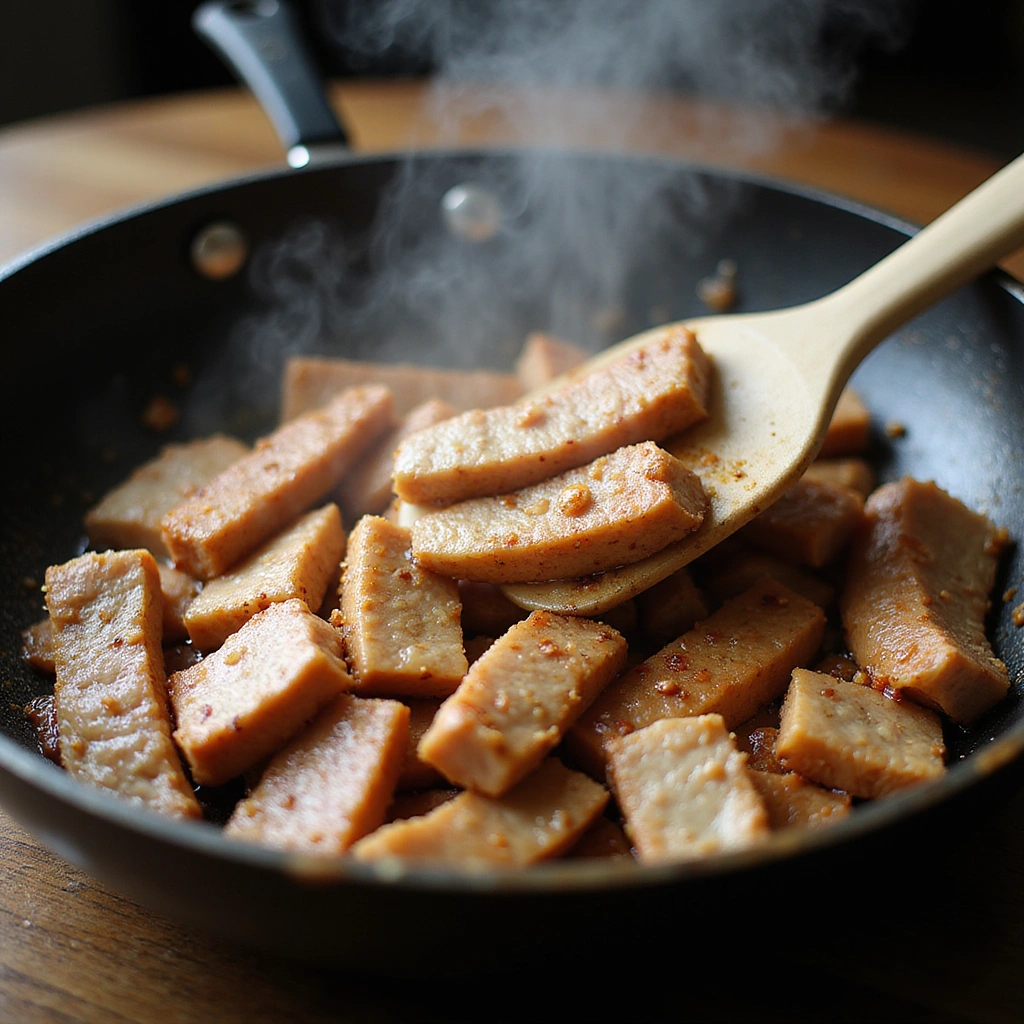
Add the marinated pork to the hot wok in a single layer.
Let it sear for about 2-3 minutes without stirring to develop a nice crust.
After searing, stir-fry the pork until it is fully cooked and no longer pink.
Remove the pork from the wok and set it aside to keep it juicy.
Step 5: Stir-Fry the Vegetables
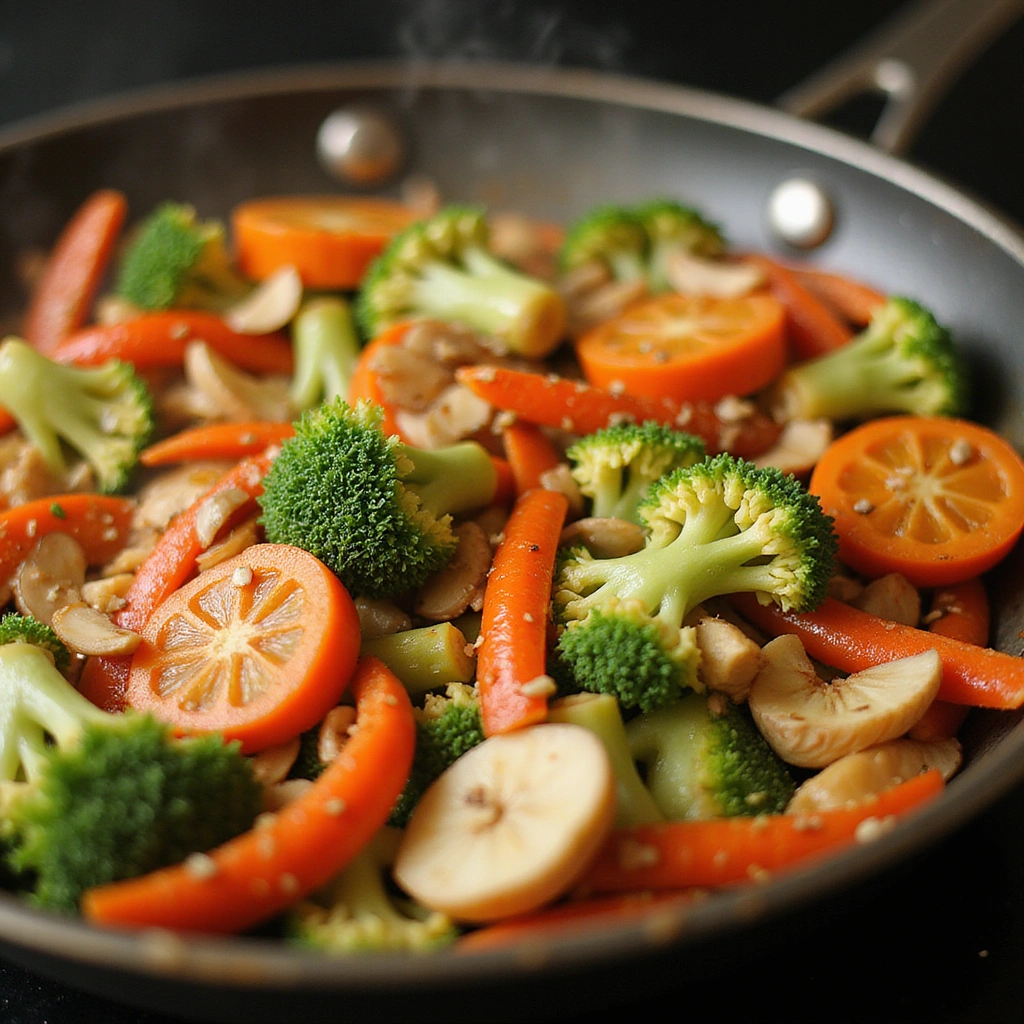
In the same wok, add a bit more oil if needed and toss in the garlic and ginger first.
Stir-fry for about 30 seconds until aromatic but not burnt.
Then, add the bell peppers, broccoli, and onion, cooking for about 3-4 minutes.
The vegetables should be crisp-tender and vibrant in color.


Step 6: Combine Ingredients
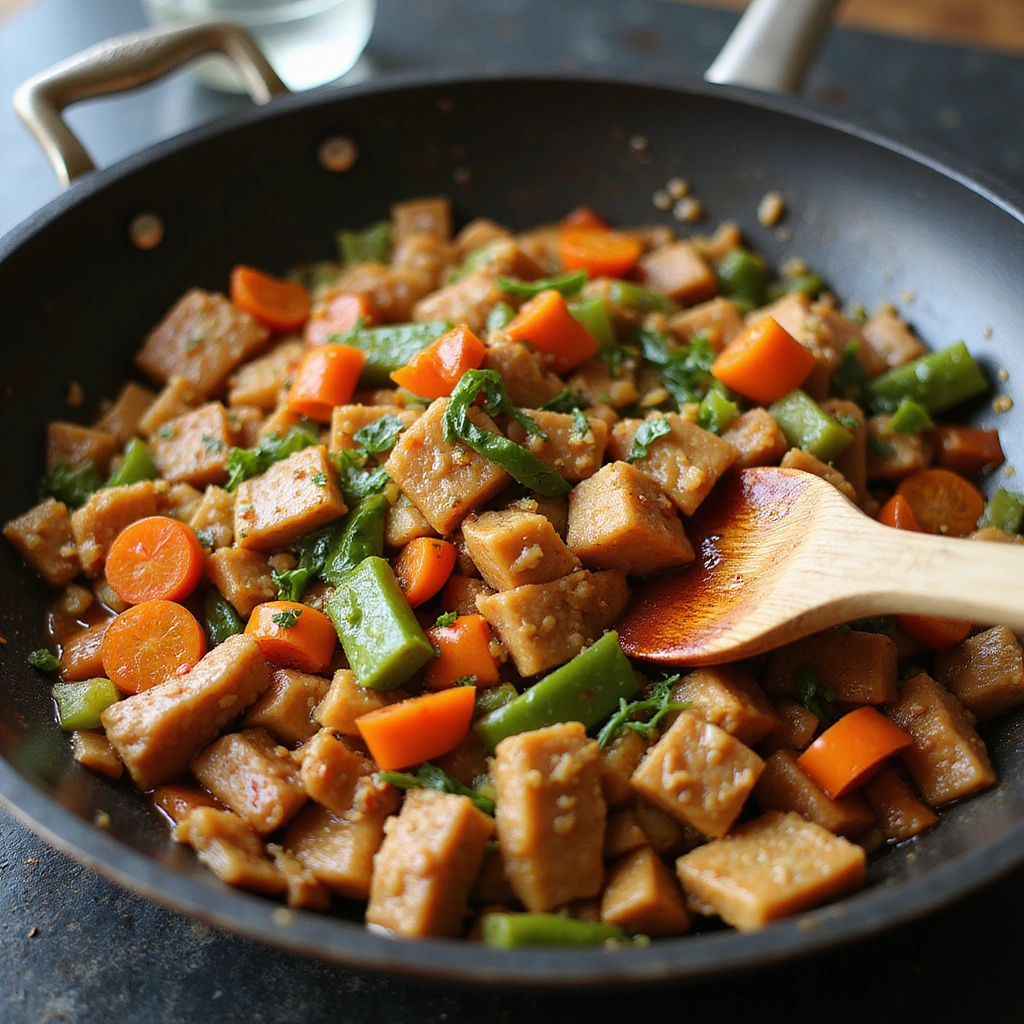
Return the cooked pork to the wok and mix it with the vegetables.
Pour in the oyster sauce, sugar, and a splash of water to create a sauce.
Toss everything together for another 1-2 minutes until well coated.
Ensure the sauce thickens slightly and evenly coats the pork and veggies.
Step 7: Finish with Sesame Oil
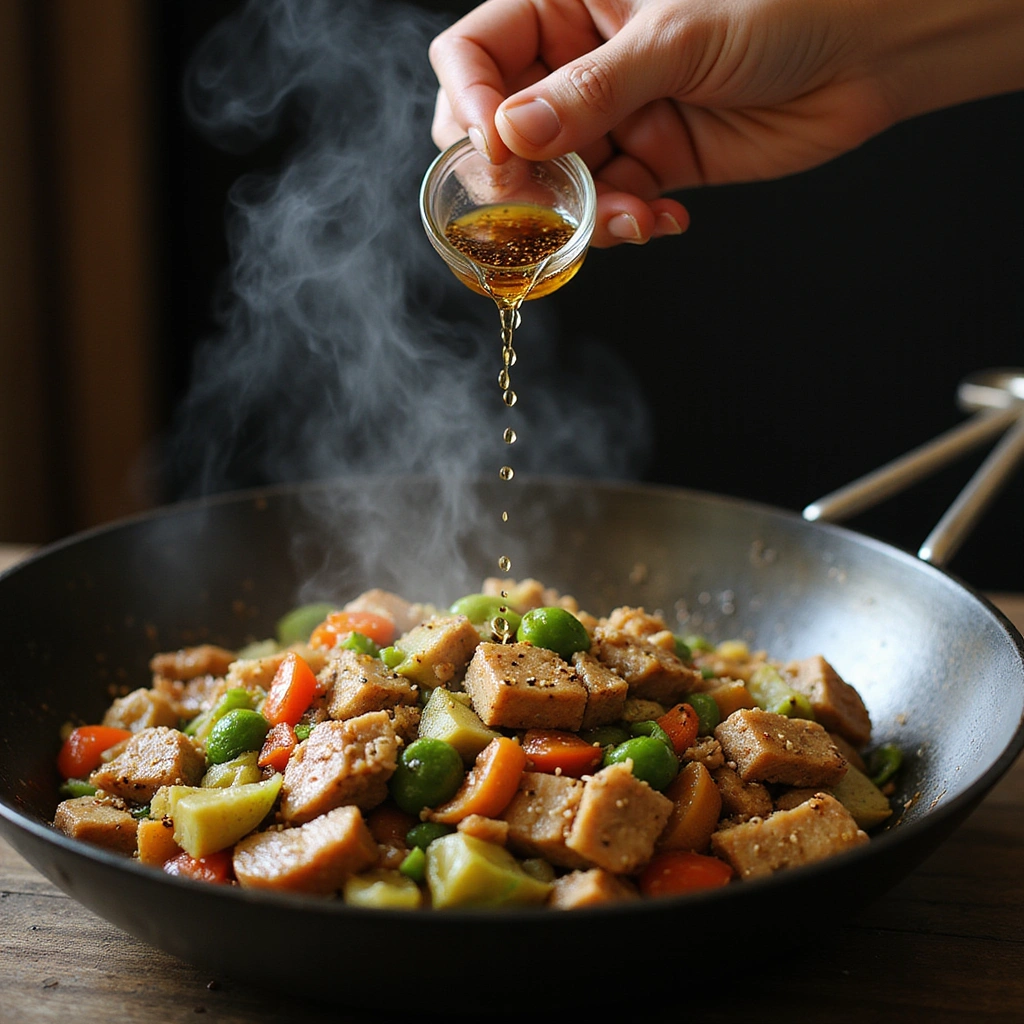
Drizzle sesame oil over the stir fry right before serving.
This adds a wonderful nutty aroma that elevates the dish.
Stir well to incorporate the oil into the mixture.
Remove the wok from heat to prevent overcooking.
Step 8: Serve
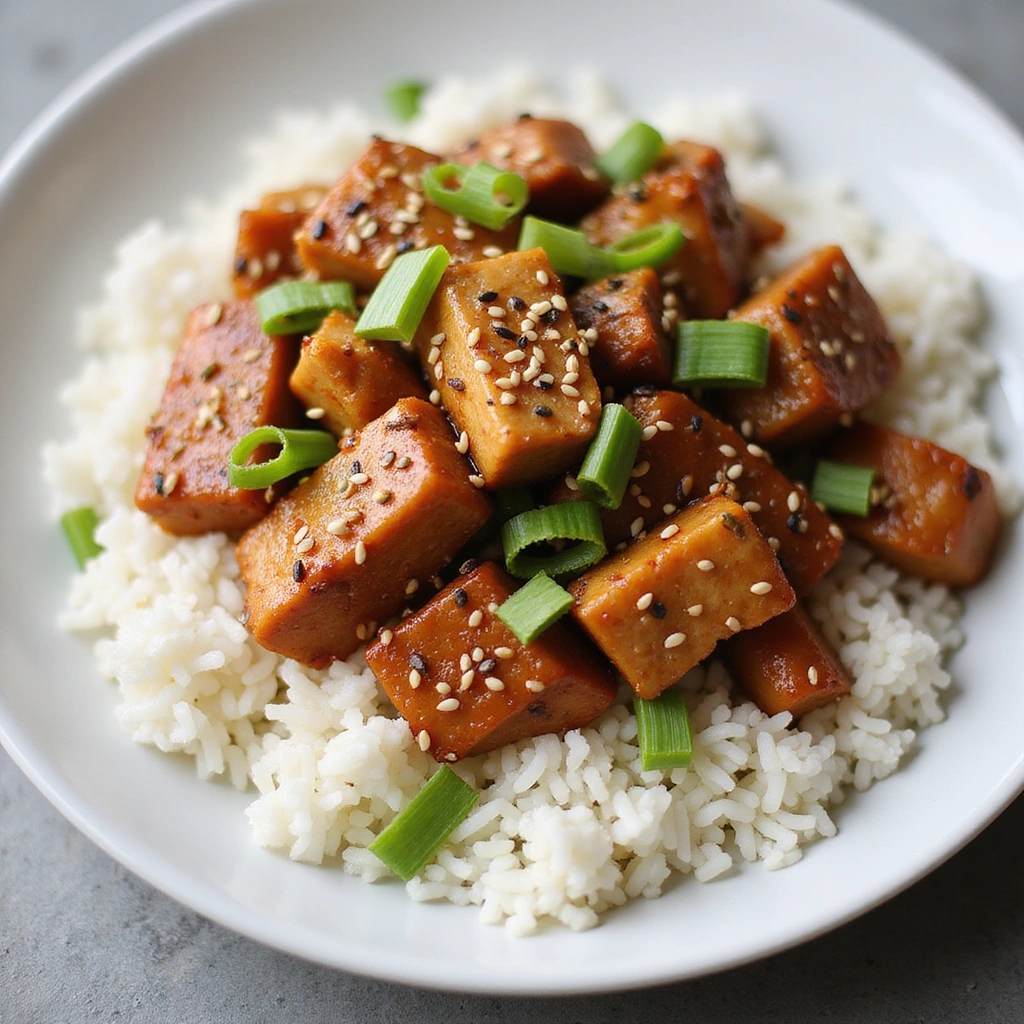
Spoon the stir fry over steamed rice or noodles for a complete meal.
Garnish with sesame seeds and sliced green onions for added flavor and presentation.
Serve immediately while hot for the best taste and texture.
Enjoy your homemade Chinese Pork Stir Fry with family and friends!



Critical Timing and Temperature Guide
Marinating the Pork: Allow at least 15 minutes for marination. This step infuses the meat with flavor and helps tenderize it. A common mistake is to rush this process, resulting in less flavorful meat.
Cooking the Pork: Sear the pork for 2-3 minutes on high heat to develop a crust without stirring. Look for a golden brown color on the meat before flipping. If you overcrowd the wok, the meat will steam instead of sear.
Vegetable Cooking: Stir-fry the vegetables for about 3-4 minutes until they are crisp-tender. Keep the heat high to prevent them from wilting. Overcooking can lead to mushy vegetables, so watch closely.
Pro Tips for Chinese Pork Stir Fry Recipe Quick Flavor Packed Meal
• Ingredient Selection: Choose the freshest pork tenderloin and seasonal vegetables for the best flavor. Quality ingredients make a noticeable difference.
• Preparation Secret: Cut all ingredients uniformly to ensure even cooking, which prevents some pieces from being overcooked while others are undercooked.
• Temperature Management: Make sure the wok is properly heated before adding ingredients to avoid steaming rather than stir-frying.
• Texture Enhancement: Use the velveting technique for the pork to achieve a tender, silky texture that elevates the dish.
• Flavor Layering: Add the garlic and ginger early in the cooking process for maximum flavor extraction.
• Make-Ahead Strategies: You can marinate the pork a day in advance and store it in the refrigerator for quicker preparation.
• Restaurant-Quality Finishing Touches: Garnish with fresh herbs like cilantro for an added layer of flavor before serving.
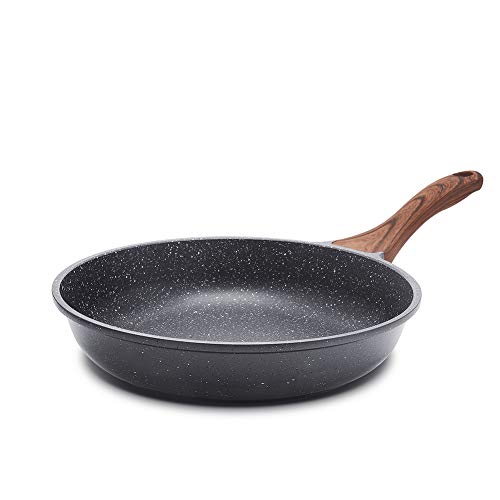
• Equipment Optimization: If using a non-stick pan, ensure it’s suitable for high heat to prevent damage and ensure proper cooking.
Troubleshooting Common Issues
• Meat Too Tough: This can occur if the pork is overcooked or not marinated long enough. Always slice against the grain for tenderness and follow marination recommendations.
• Vegetables Overcooked: If your vegetables are mushy, the heat may have been too low or they were cooked too long. Stir-fry for a shorter time next time and maintain high heat.
• Flavor Too Salty: This may happen if too much soy sauce is used. To balance, add a pinch of sugar or some water to dilute the sauce.
• Not Enough Sauce: If the stir fry seems dry, add a bit more sauce or a splash of water during the cooking process to achieve desired consistency.
• Sticking to the Pan: Ensure the wok is properly preheated and oiled before adding the ingredients to prevent sticking.
• Not Enough Vegetables: To enhance nutrition, increase the quantity and variety of vegetables used. Aim for a colorful mix to boost flavors and health benefits.
Variations and Regional Differences
• Kung Pao Style: This variation incorporates peanuts and adds a spicy kick with the use of Sichuan peppercorns, offering a unique flavor profile.
• Sweet and Sour Pork: A popular version that includes a tangy sauce made from vinegar and sugar, giving it a distinctly different taste.
• Black Bean Sauce Stir Fry: Using fermented black bean sauce instead of soy sauce provides a bold and savory flavor, characteristic of Cantonese cuisine.
• Modern Interpretations: Contemporary adaptations may replace pork with tofu or chicken, catering to vegetarian or health-conscious diets while maintaining the essence of the dish.


Food Science Behind the Recipe
• Maillard Reaction: This chemical reaction occurs when proteins and sugars in the pork are exposed to high heat, creating a delicious browned crust that enhances flavor and aroma.
• Emulsification: The combination of oil and sauce in the stir fry creates a cohesive mixture that clings to the ingredients, ensuring every bite is flavorful.
• Pectin Breakdown: Cooking vegetables at high heat helps break down pectin, maintaining their crispness while softening them enough to enhance their flavors.
Frequently Asked Questions
What’s the most common mistake people make when preparing Chinese Pork Stir Fry? Overcrowding the wok leads to steaming rather than stir-frying, resulting in less flavorful and properly cooked ingredients.
Can I prepare components of this dish in advance? Yes, you can marinate the pork a day ahead and chop the vegetables to save time during cooking.
How do I adapt this recipe for dietary restrictions? Substitute pork with chicken, tofu, or tempeh for a vegetarian option, and use low-sodium soy sauce for a healthier version.
What’s the best way to store and reheat leftovers? Store in an airtight container in the refrigerator for up to 3 days. Reheat in a pan over medium heat to maintain texture and flavor.
Can I freeze this dish? Yes, freeze the stir fry in a sealed container for up to 2 months. Thaw in the refrigerator and reheat on the stove.
What wine or beverages pair best with this dish? A chilled Riesling or a light-bodied red wine complements the flavors of the stir fry well.
How can I scale this recipe up for a crowd? Increase ingredients proportionately, and cook in batches to maintain high heat and proper cooking techniques.
What side dishes complement this recipe best? Fried rice or steamed dumplings are excellent accompaniments that enhance the overall meal experience.
How do professional chefs elevate this dish for restaurant service? Chefs often add a finishing touch of fresh herbs or microgreens for color and flavor and serve it in stylish bowls.
Serving and Presentation Guide
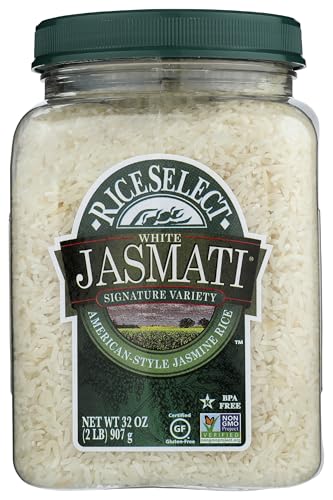
• Traditional Presentation: Serve the stir fry over a mound of steamed jasmine rice in a deep bowl, garnished with sesame seeds and sliced green onions for an authentic look.
• Modern Plating Ideas: For a contemporary twist, serve the stir fry on a white rectangular plate with a drizzle of sauce around the edges and fresh herbs on top.
• Accompaniment Suggestions: Offer pickled vegetables or a light cucumber salad on the side to balance the richness of the dish.
• Special Occasion Presentation: Use a large platter for family-style serving, decorated with fresh herbs and colorful vegetables for an inviting centerpiece.
Conclusion
This Chinese Pork Stir Fry is not only quick and easy but also packed with vibrant flavors and textures.
I hope you enjoy making this dish as much as I do, creating wonderful memories around the dinner table.
Give it a try, and let the delightful aromas fill your kitchen!